Ciego de Ávila has ended the first quarter of 2026 without reversing any of its concerning demographic trends: a higher death rate compared to births, negative migration figures, and an aging population advancing faster than any institutional response can manage, according to an analysis published by the official newspaper Invasor.
The province mirrors the national patterns. Cuba concluded 2024 with just 9,748,007 residents, a decrease of 307,961 people from 2023, resulting from 71,358 births against 128,098 deaths, coupled with an external migration balance of -251,221 people.
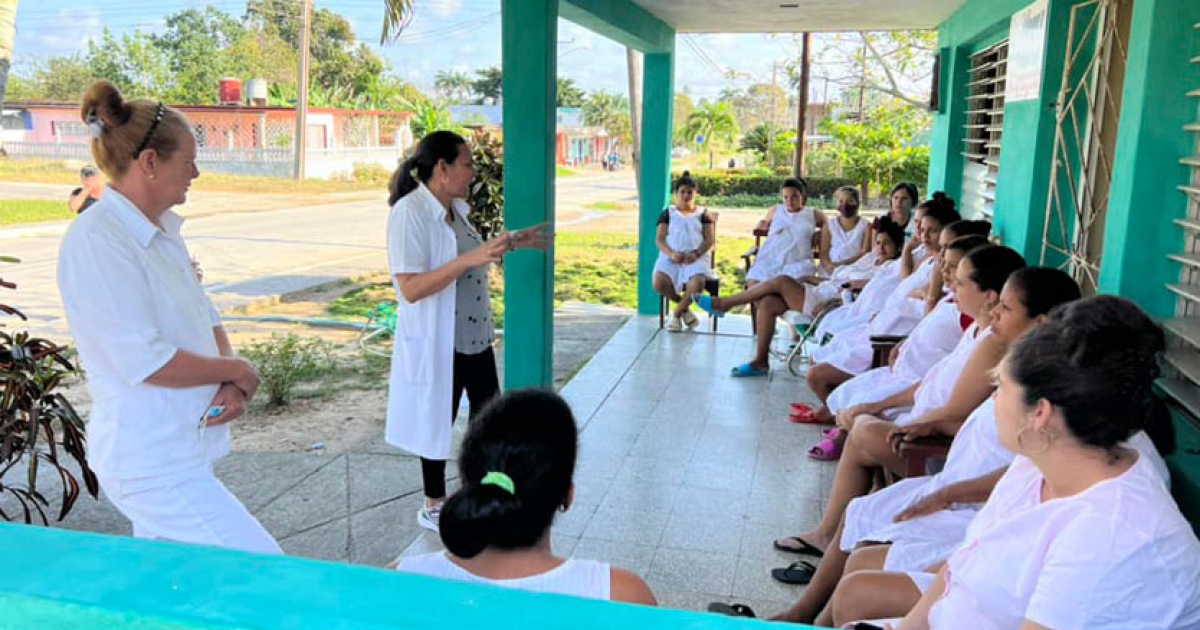
The decline in birth rates is particularly alarming. By May 11, 2025, only 628 births were recorded in the province compared to 925 during the same period in 2024, marking a nearly one-third drop in just one year.
Factors contributing to this decline include maternal anemia, chronic hypertension linked to preeclampsia—which necessitates early pregnancy termination before 37 weeks—and low birth weight, with higher prevalence in the municipalities of Bolivia, Ciro Redondo, and the provincial capital itself.
National Birth Rate Crisis
On a national level, 2024 marked the fourth consecutive year with fewer than 100,000 births, the lowest in 65 years, with a total fertility rate of 1.29 children per woman, the lowest recorded in Cuban history.
This decline is paralleled by rapid aging. Twenty percent of Ciego de Ávila's residents are over 60, amounting to 84,910 people, a figure nearing the number of children and teenagers in the province.
The municipality of Florencia exhibits the highest aging index: 25.2% of its population belongs to the oldest age group, a figure that rose to 27% by the end of 2025, driven by the constant emigration of individuals in their reproductive years.
Future Projections and Challenges
Official projections for 2030 are bleak: Cuba will have 100,000 fewer working-age residents, and those aged 60 or older will approach 30% of the total population. Ciego de Ávila is progressing in the same direction.
Migration is the primary factor reshaping the province's population structure. As noted by the official media, "migration not only reduces the population size: it primarily removes young people of working and reproductive age, simultaneously worsening the birth deficit and aging."
In response, the regime maintains the Policy for Demographic Dynamics, approved in 2014 and updated in 2022. For 2025, a budget of 2,456 million pesos was allocated, a 129% increase from the previous year, aimed at gerontological equipment, Grandparent Homes, Nursing Homes, and Child Care Centers.
However, specialists acknowledge that these measures are insufficient given the severity and pace of the decline. The Cuban exodus shows no signs of abating, and the regime has not offered structural responses to tackle the real causes of the crisis: economic hardship, power outages, shortages, and lack of freedoms that drive Cubans to leave the island.
The official newspaper's analysis concludes with a stark warning that underscores the critical situation: "Every birth that does not occur, every young person who emigrates, and every senior who ages without the support they deserve is a challenge the province—and the country—must face with bolder, more integrated, and more urgent policies than those currently in place."
Understanding Ciego de Ávila's Demographic Challenges
What are the primary causes of Ciego de Ávila's declining birth rates?
Key factors include maternal anemia, chronic hypertension related to preeclampsia, and low birth weight, especially in specific municipalities.
How is the aging population affecting Ciego de Ávila?
The province is experiencing a rapid increase in its elderly population, with 20% of residents over 60, which poses challenges for social services and economic productivity.
What measures has the Cuban government taken to address demographic issues?
The government has implemented the Policy for Demographic Dynamics, increasing funding for gerontological equipment and care facilities, although experts deem these efforts inadequate.
Why is migration such a significant factor in Ciego de Ávila's demographic decline?
Migration primarily affects young people of working and reproductive age, exacerbating both the birth deficit and the aging population issue.