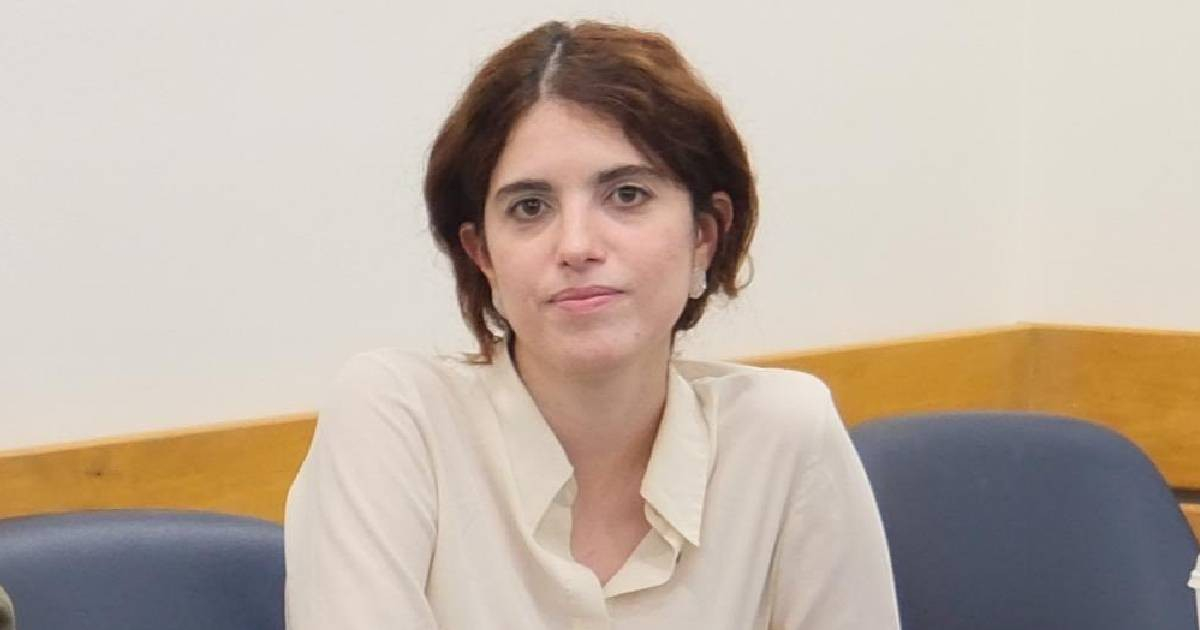
Cuban art historian and activist Carolina Barrero expressed her strong support for the federal charges brought by the U.S. Department of Justice against Raúl Castro. She described the day as "the happiest May 20th we've experienced since the catastrophe of 1959."
The Justice Department has filed criminal charges against Raúl Castro, accusing him of involvement in the downing of two civilian aircraft operated by the organization Brothers to the Rescue on February 24, 1996. The incident resulted in the deaths of four Cuban-Americans: Armando Alejandre Jr., Carlos Costa, Mario de la Peña, and Pablo Morales.
The charges against the 94-year-old former Cuban leader include conspiracy to murder U.S. citizens, destruction of civilian aircraft, and four counts of homicide.
The Broader Implications of the Charges
In addition to Castro, five Cuban military officials—Lorenzo Alberto Pérez-Pérez, Emilio José Palacio Blanco, José Fidel Gual Barzaga, Raúl Simanca Cárdenas, and Luis Raúl González-Pardo Rodríguez—were also indicted.
Speaking to Noticias Telemundo, Barrero emphasized the symbolic importance of the charges: "There's a clear message that says there will be no more impunity for tyrants, no more impunity for the Castro family."
The activist particularly appreciated the focus on the aircraft downing: "I am pleased that this case specifically addresses the murder, the downing of the aircraft, because the Castros have always been murderers."
A Historical Context
Barrero placed the case within a broader historical context, recalling the executions from the early years of the revolution: "In the '60s, we still have to account for the number of deaths owed to Fidel Castro. We're talking about tens of thousands, people executed without trial in La Cabaña, on Isla de Pinos, in prisons all over the island."
For Barrero, these charges transcend the specific case: "Although these are the ones the prosecutor has evidence for, they truly represent all the deaths the Castro family bears responsibility for. They're encapsulated in this accusation."
The Symbolic Nature of the Accusation
The charges come 30 years after the incident and hold primarily symbolic significance, as there is no extradition treaty between Cuba and the United States, and Castro is not present in U.S. territory.
President Donald Trump hailed the charges as "a great day" for the Cuban-American community, while Congresswoman María Elvira Salazar stated, "Today marks the beginning of the end for the Castro family."
In contrast, Díaz-Canel defended Raúl Castro, dismissing the action as a "political move without legal foundation," and Cuba labeled the Brothers to the Rescue case a "deception."
May 20 carries significant symbolic weight for the Cuban exile community, marking the day Cuba declared its republic in 1902, which many consider the true Independence Day, as opposed to January 1, 1959, celebrated by the regime.
Barrero concluded her remarks with a warning to history: "It doesn't matter if he's 94 or 100. Justice must prevail because the clear message to history is that there will be no impunity for crimes of this nature, and Cubans need to close that chapter."
Understanding the Charges Against Raúl Castro
What are the charges against Raúl Castro?
Raúl Castro faces charges of conspiracy to murder U.S. citizens, destruction of civilian aircraft, and four counts of homicide related to the 1996 downing of two Brothers to the Rescue planes.
Why are these charges considered symbolic?
The charges are symbolic because there is no extradition treaty between the U.S. and Cuba, making it unlikely that Castro will face trial in the United States.
Who else is indicted alongside Raúl Castro?
Five Cuban military officials have also been indicted: Lorenzo Alberto Pérez-Pérez, Emilio José Palacio Blanco, José Fidel Gual Barzaga, Raúl Simanca Cárdenas, and Luis Raúl González-Pardo Rodríguez.