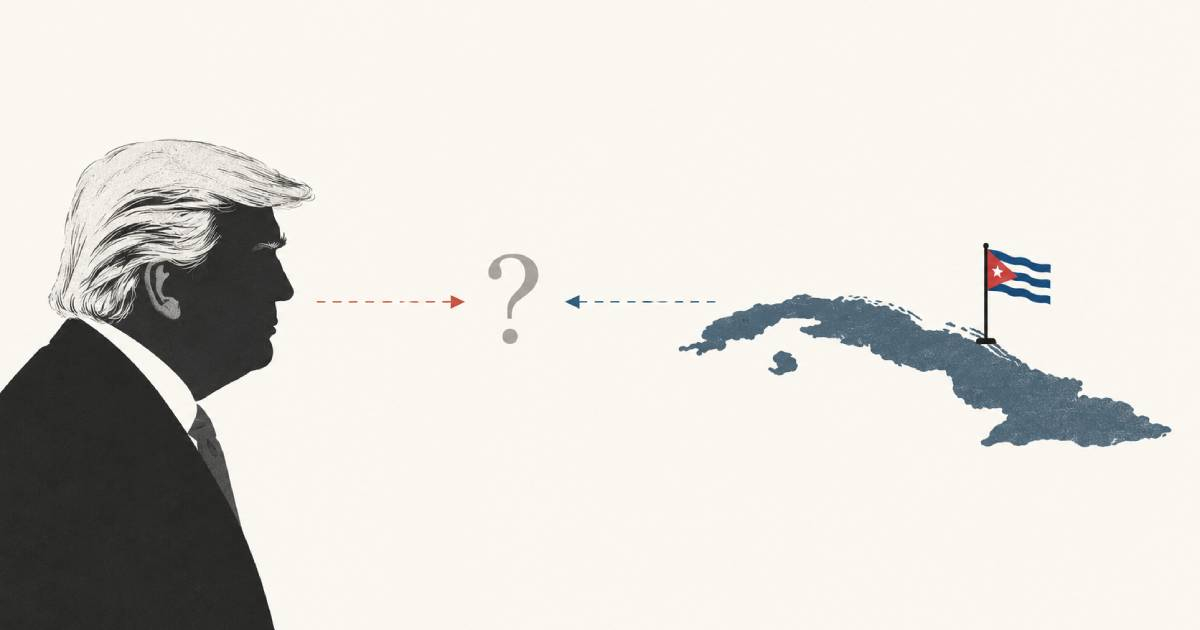
The U.S. intelligence community is actively examining how Cuba might react if former President Donald Trump were to initiate a military strike, as reported by CBS News.
Beginning in early May, analysts from the Pentagon and the Defense Intelligence Agency (DIA) embarked on this assessment while monitoring the sanctioned Russian tanker Universal, which has been navigating in the Atlantic over 1,000 miles from Cuba.
Two U.S. officials, who wished to remain anonymous, confirmed to CBS News that military options for the president are being developed. However, they emphasized this does not signify a presidential decision has been made.
These intelligence forecasts aim to predict not only the immediate fallout from a U.S. action but also the potential chain of reactions that might ensue.
In response to a query about whether tensions would escalate following the indictment of former Cuban leader Raúl Castro, Trump stated, "No, there will not be an escalation. I don't think it's necessary."
Rising Tensions and Military Concerns
This analysis comes amidst escalating tensions between Washington and Havana, partially fueled by reports concerning Cuba's drone arsenal.
CBS News independently verified that Cuba has procured attack drones, though the provider and acquisition details remain unclear.
An Axios report on Sunday indicated that Havana may have acquired over 300 military drones and that Cuban officials might have considered using them against the Guantanamo Bay Naval Base should hostilities with the U.S. arise.
Cuban leader Miguel Díaz-Canel has denied that Cuba poses a military threat to the United States but warned that an American attack would lead to a "massacre."
Diplomatic Efforts and Sanctions
Alongside military pressure, the Trump administration has been conducting a vigorous diplomatic and sanctions campaign.
Last week, CIA Director John Ratcliffe traveled to Cuba, engaging with intelligence officials and Raúl Guillermo "Raulito" Rodríguez Castro, the grandson of the former leader.
Ratcliffe conveyed to Cuban officials that the Trump administration was offering a "genuine opportunity for collaboration" to stabilize Cuba's economy. This offer was contingent on Havana severing ties with Russia, China, and Iran, with the warning that the offer wouldn't last indefinitely.
A U.S. official told CBS News that Ratcliffe's visit would test whether the pragmatic factions within the regime could persuade the hardliners, who believe they can endure Trump as they have withstood 67 years of U.S. pressure, to adopt a new direction.
On the sanctions front, the U.S. sanctioned GAESA earlier in the month and on Monday announced a new round of measures targeting Cuban military and intelligence agencies and officials.
Secretary of State Marco Rubio reiterated an offer of $100 million in humanitarian aid—comprising food, medical supplies, and solar lamps—to be distributed through religious organizations, claiming it had been obstructed by the Cuban government.
Understanding U.S.-Cuba Relations Amid Military Concerns
What prompted the U.S. to evaluate Cuba's potential response to a military action?
The analysis was prompted by concerns over Cuba's acquisition of military drones and the growing tensions with the United States, which could escalate into a conflict.
What diplomatic efforts has the Trump administration made towards Cuba?
The Trump administration offered economic stabilization opportunities for Cuba, contingent on Havana ending ties with adversarial nations. This was communicated during CIA Director John Ratcliffe’s visit to Cuba.
How has the U.S. responded to Cuba's military developments?
The U.S. has imposed sanctions on Cuban military and intelligence entities and proposed humanitarian aid blocked by the Cuban government, as part of their response to Cuba's military activities.