The Cuban Ministry of Labor and Social Security (MTSS) has issued Resolution 10/2026, as seen in the Official Gazette No. 44 Ordinary of 2026. This regulation outlines the process for assessing the socioeconomic status of families requesting state financial aid for housing renovations.
The resolution, dated April 21, 2026, and made public this Wednesday, is a follow-up to Agreement 10326 from the Council of Ministers on March 5, 2026. This agreement allowed for state budget allocations to support architectural interventions for individuals lacking financial resources, whether through state channels or personal efforts.
Resolution 10/2026 replaces and nullifies the previous Resolution 22/2022 from the same ministry, which managed the former process for economic solvency analysis related to housing construction subsidies.
According to the new guidelines, municipal Labor and Social Security Directorates are tasked with conducting evaluations upon the request of the Municipal Housing Directorate. A designated municipal official has 15 working days to complete the socioeconomic investigation and deliver the relevant report. This is particularly crucial in the housing sector, historically rife with corruption.
Key Components of the Evaluation
The evaluation consists of three main elements: profiling the family's social context, verifying the technical condition of the housing or its absence, and examining income insufficiencies.
To determine solvency, the resolution specifies a precise calculation method: "All family income is totaled; from this, expenses for obligations and debts, including bank loans, judicial embargoes, child support payments, and other monthly taxes, are deducted. The resulting figure is divided by the number of family members to ascertain the available per capita income."
The resolution sets a cap of 2,100 pesos for per capita income to qualify for funding. Exceptionally, families with per capita income up to 3,234 pesos may benefit if they face vulnerability.
Restrictions and Verification
A significant restriction in the regulation is that families cannot include employable individuals not engaged in work to qualify for financing. Applicants' income must be verified through employer certifications, affidavits, or certifications from the National Office of Tax Administration (ONAT) for self-employed and agricultural producers.
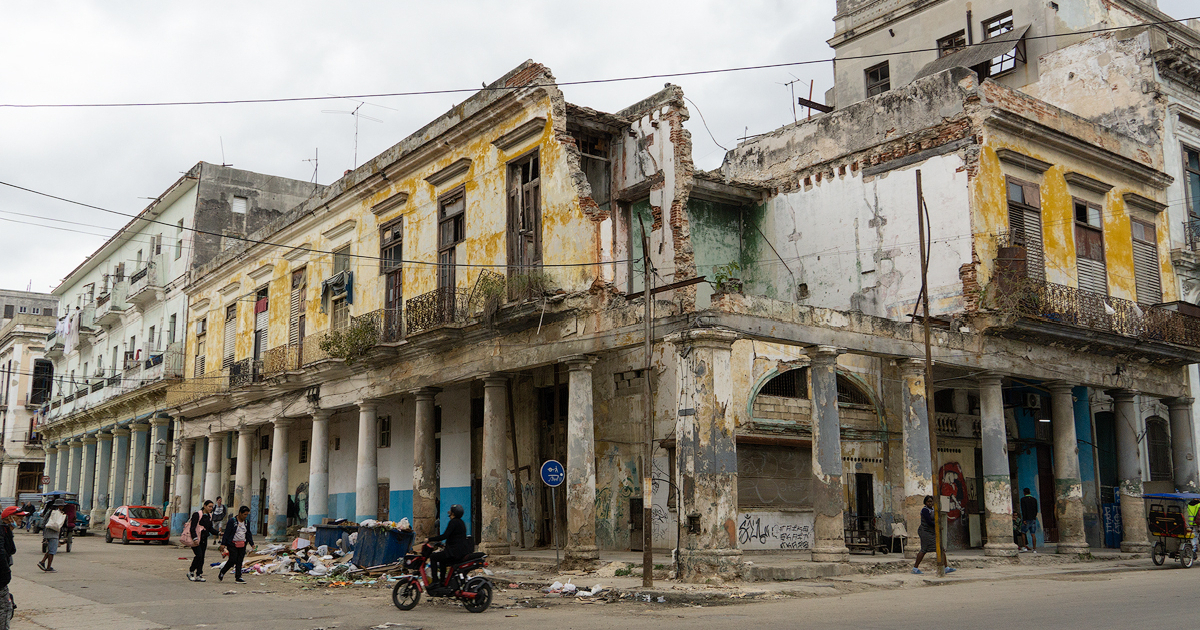
This regulation comes amid an unprecedented housing crisis in Cuba, with a shortage exceeding 929,000 homes, and about 35% of the housing stock in poor or average condition.
In 2024, housing construction in Cuba dropped to levels lower than those experienced during the Special Period. By the first quarter of 2025, the government had completed only 1,344 homes out of a planned 10,795, achieving just 12.4% of the target. Throughout 2025, a mere 2,382 homes were finished, meeting only 22% of the annual plan, amid chronic shortages of cement and construction materials.
The State Budget for 2026, as outlined in Law No. 181, allocates 57,993 million Cuban pesos for infrastructure projects, including housing. However, the gap between allocated resources and the actual needs of the population remains vast.
Understanding Cuba's Housing Finance Criteria
What is the purpose of Cuba's Resolution 10/2026?
Resolution 10/2026 establishes the process for assessing the socioeconomic conditions of families requesting state funding for housing repairs.
What are the key components of the socioeconomic evaluation?
The evaluation includes the social profile of the family, the technical condition of the housing or its absence, and the analysis of income insufficiencies.
How is family solvency calculated under the new resolution?
Family solvency is calculated by totaling all family income, deducting expenses for debts and obligations, and dividing the net result by the number of family members to determine per capita income.