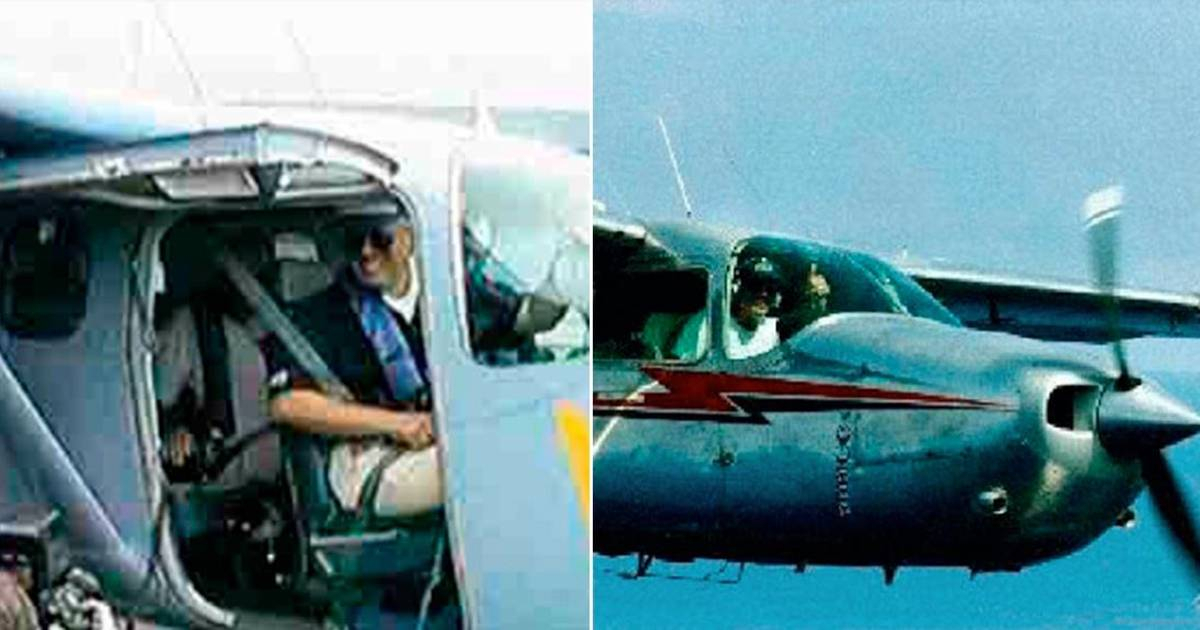
Cuban leader Miguel Díaz-Canel stepped forward on Wednesday to defend Raúl Castro following the U.S. Department of Justice's announcement of formal criminal charges against the former Cuban president. The charges relate to the 1996 downing of two planes from the Brothers to the Rescue group, an incident that resulted in the deaths of four Cuban-Americans.
In a message shared on X, Díaz-Canel labeled the charges as "baseless" and described them as a "political maneuver lacking legal foundation," asserting that they aim to fabricate a justification for a potential military assault on Cuba.
Allegations of U.S. Manipulation
Díaz-Canel accused the United States of lying and manipulating events surrounding the 1996 shootdown, referring to the Brothers to the Rescue organization as a "narco-terrorist" group. This organization, composed of Cuban exiles, was known for conducting search and rescue missions for rafters in the Florida Straits.
The Cuban president argued that on February 24, 1996, Cuba was acting in self-defense within its jurisdictional waters after repeated and dangerous airspace violations by known terrorists. He highlighted that the U.S. administration at the time had been warned multiple times but ignored these alerts.
Contrasting Views and Historical Context
This narrative contradicts the findings of the International Civil Aviation Organization, which concluded in July 1996 that the planes were shot down between nine and ten nautical miles outside Cuban territorial airspace and that Cuba did not attempt radio communication with the pilots before firing.
The four victims, Armando Alejandre Jr., Carlos Costa, Mario de la Peña, and Pablo Morales, were all Cuban-Americans.
Legal Proceedings and Historical Evidence
On Wednesday, the acting attorney general, Todd Blanche, along with federal prosecutor Jason A. Reding Quiñones and FBI deputy director Christopher G. Raia, among other officials, presented the formal charges in Miami. The federal grand jury had returned the indictment on April 23, 2026, including charges of conspiracy to kill U.S. citizens, destruction of aircraft, and four counts of murder.
A key piece of evidence in the case is a 1996 recording allegedly of Raúl Castro, where he purportedly stated: "I said they should try to shoot them down over the territory... Well, shoot them down over the sea when they appear." This recording was published in 2006 by journalist Wilfredo Cancio in El Nuevo Herald and was verified by specialists and Castro's former personal secretary, Alcibiades Hidalgo.
Díaz-Canel concluded his message with a vehement defense of Castro, praising the "ethical stature and humanistic legacy" of the former leader, dismissing any attempts to tarnish his reputation as "ridiculous."
At 94 years old, Raúl Castro remains out of reach for U.S. justice due to the absence of an extradition treaty between Cuba and the United States. While the families of three of the four victims previously secured a $187 million civil settlement, this is the first instance of individual criminal charges being brought forth in this case.
Key Questions Surrounding the 1996 Shootdown Incident
What are the charges against Raúl Castro?
Raúl Castro faces charges of conspiracy to kill U.S. citizens, destruction of aircraft, and four counts of murder related to the downing of Brothers to the Rescue planes in 1996.
How did the Cuban government justify the shootdown?
The Cuban government, led by Díaz-Canel, claimed the shootdown was an act of self-defense within its waters, responding to repeated airspace violations by terrorists, despite warnings to the U.S. being ignored.
Were the planes within Cuban airspace when they were shot down?
According to the International Civil Aviation Organization, the planes were downed nine to ten nautical miles outside Cuban territorial airspace, contradicting Cuban claims of jurisdictional self-defense.
What is the significance of the 1996 recording involving Raúl Castro?
The 1996 recording allegedly captures Raúl Castro instructing to shoot down the planes over the sea, providing crucial evidence for the U.S. charges. Its authenticity has been corroborated by experts and a former aide.