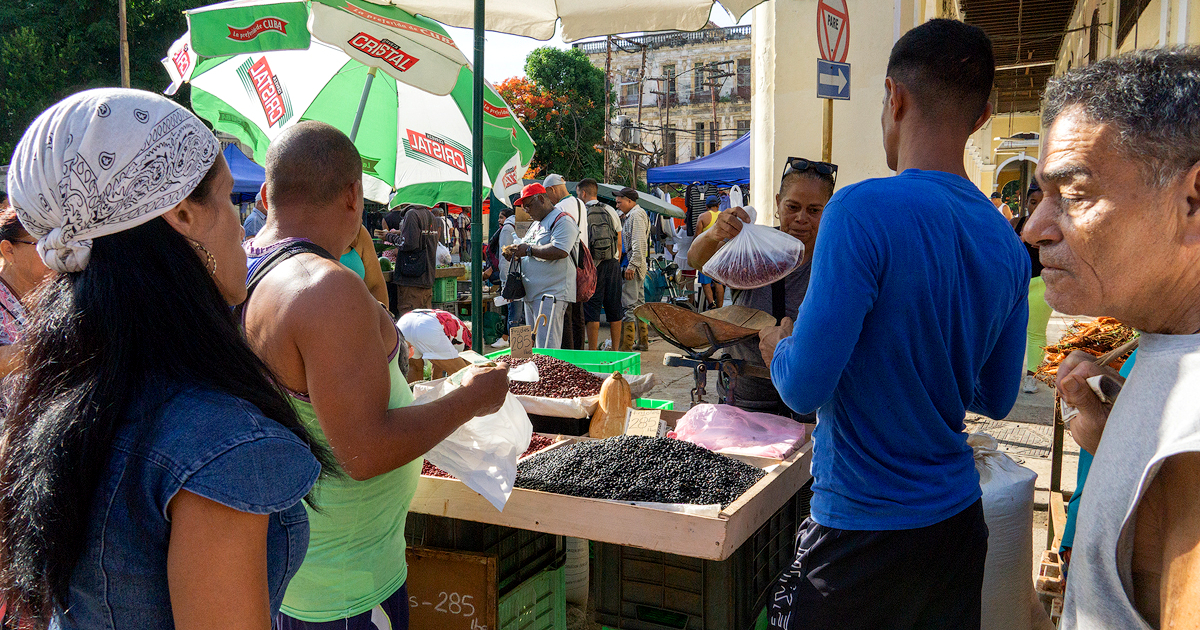
The recent surge of the U.S. dollar in Cuba's informal market, reaching 550 pesos per dollar, not only sets a new record for the American currency on the island but also highlights the rapidly diminishing purchasing power of Cuban workers and retirees. This decline persists despite the wage and pension hikes announced by the government in the past year.
Official data and recent trends in the exchange market paint a stark picture: Cubans may earn more pesos than a year ago, but the value of these pesos has plummeted.
In April 2025, Cuba's National Office of Statistics and Information (ONEI) reported that the average monthly salary was 5,839 Cuban pesos (CUP). At that time, the informal dollar rate was around 363 CUP, making the average income equivalent to approximately $16 per month.
A year later, average salaries rose nominally to approximately 6,900 CUP, based on official estimates and independent economists. However, with the dollar surging to 550 CUP this Tuesday, that salary now equates to a mere $12.6 monthly.
In real terms, Cuban state employees have lost about 22% of their purchasing power in dollar terms within just a year, despite salary increases in pesos.
The Plight of Cuban Retirees
The situation is even more dire for retirees. The average pensions, following partial increases in 2025, ranged between $9 and $10 monthly at the informal exchange rate. Today, they are worth only between $4 and $4.5.
In many instances, minimum pensions fall below four dollars a month, meaning that thousands of elderly Cubans live on just over 13 cents a day.
Rising Costs and Scarcity
The decline in purchasing power aligns with a consistent rise in the prices of food, medicine, transportation, and basic goods. In many provinces, a pound of pork can easily exceed 1,200 CUP. A carton of eggs might cost between 3,000 and 4,000 CUP. A liter of oil hovers around 1,200 CUP, and a package of imported chicken now surpasses 4,500 CUP in the informal market.
Meanwhile, essential hygiene products like detergent, toothpaste, and soap continue to vanish periodically from state stores, reappearing in resale at prices unaffordable for most workers.
The Widening Social Divide
The partial dollarization of the economy has exacerbated social divisions. Many stores sell essential goods exclusively in foreign currencies or through cards linked to foreign currency accounts, excluding millions of Cubans who rely solely on state salaries and pensions paid in devalued pesos.
The result is a dual economy where survival increasingly depends on receiving remittances, accessing dollars, or engaging in informal activities.
The crisis has hit state-sector professionals particularly hard. Doctors, teachers, engineers, and retirees have seen their incomes decimated by inflation. A doctor might earn the equivalent of $25 to $30 monthly, while a retiree struggles to purchase even a week's worth of basic food items.
The Rapid Depreciation of the Cuban Peso
The devaluation of the Cuban peso has been rapid. In 2020, the informal dollar rate was about 42 CUP. Today it stands at 550, representing a nearly 95% depreciation of the national currency in just six years.
The failure of the 2021 Monetary Ordering, the massive printing of pesos without productive backing, the drop in tourism, the destruction of the national industry, and extreme dependence on imports have accelerated the country's economic decline.
The gap between the official rate and the informal market also reflects the total loss of confidence in the national currency. Although the Central Bank maintains an artificially low official reference rate, the day-to-day Cuban economy operates under the real values dictated by the street.
Each rise in the dollar immediately reduces the purchasing power of salaries and pensions. And while the regime continues to announce nominal increases in pesos, inflation and devaluation absorb any improvements before they reach the population's pockets.
For millions of Cubans, the result is an ongoing sense of impoverishment: working more, earning more pesos, and being able to buy less food.
Understanding Cuba's Economic Challenges
Why has the Cuban peso lost so much value?
The Cuban peso has devalued due to several factors, including the failure of the 2021 Monetary Ordering, excessive printing of pesos without economic backing, a decline in tourism, and heavy reliance on imports.
How does the informal market affect the Cuban economy?
The informal market sets real exchange rates that reflect the street's economic conditions, highlighting the lack of confidence in the official rates and further diminishing the purchasing power of Cuban pesos.
What impact has dollarization had on Cuban society?
Partial dollarization has deepened social divides, as many essential products are sold in foreign currencies, excluding those who rely solely on peso-denominated incomes.