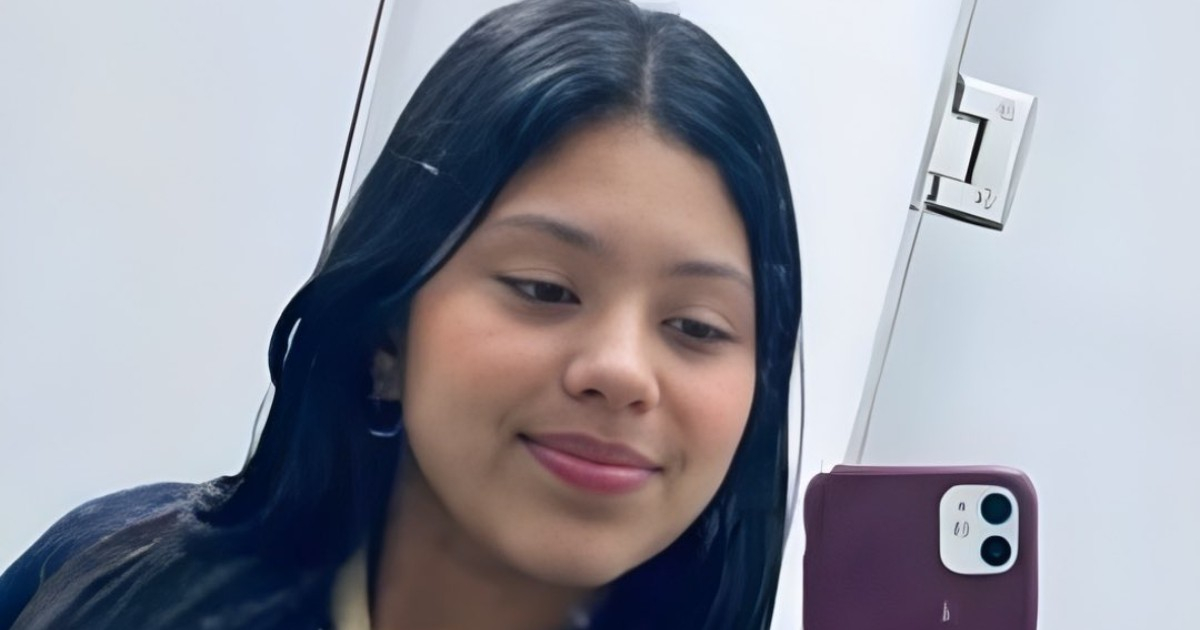
Samanta Sofía Hernández Castillo, just 16 years old, was released on Monday night after spending nearly half a year detained at the Antímano Detention Facility in Caracas. This information was confirmed by her family and the Committee for the Freedom of Political Prisoners (Clippve).
Journalist Luis Carlos Díaz described her as "the last political prisoner under 18 years of age remaining in Venezuela." He criticized the process that led to her arrest, stating: "She was detained for being related to a persecuted military figure, as the Chavismo regime operates by extending persecution and taking mothers, grandparents, infants, or young girls hostage to force concessions."
Samanta was apprehended on November 19, 2025, by agents from the Directorate General of Military Counterintelligence (DGCIM), alongside officers from the Bolivarian National Police and the Organized Crime Division, during a raid at her grandparents' home in El Valle, Caracas, conducted without a warrant. At the time of her arrest, she was in her final year of high school.
Family Punishment Policy: Sippenhaft
According to Clippve, her arrest was part of a family punishment policy known as Sippenhaft, aimed at pressuring the surrender of her brother, Christian Hernández, an exiled military figure and opponent of the Venezuelan government.
Her mother publicly denounced the operation, pointing out the lack of a search or arrest warrant, and held Minister Diosdado Cabello accountable for the persecution.
Judicial Proceedings and Public Outcry
On January 15, 2026, Samanta appeared before the First Control Court with jurisdiction over terrorism cases, presided by Judge Kelly Núñez. Family members were reportedly barred from attending the hearing. Public defender Annely Ramos allegedly pressured Samanta to confess to crimes she did not commit.
Díaz captured the absurdity of the situation with a poignant remark: "Samantha Hernández spent more time imprisoned with Delcy than with Nicolás."
Spotlight on Political Prisoners and Amnesty Issues
This release occurs amid ongoing reports of political prisoners and debates over the implementation of amnesty in Venezuela. Delcy Rodríguez announced the conclusion of the Amnesty Law on April 25, while hundreds of political prisoners remained incarcerated. The Penal Forum confirmed only 768 actual releases compared to the 8,616 claimed by the Venezuelan government since the amnesty's inception.
On Monday, Carmen Navas, 83, the mother of political prisoner Víctor Hugo Quero Navas, passed away. Her son's death in custody on July 24, 2025, was concealed by the regime for over nine months. Senator Rick Scott responded to her death by calling for renewed sanctions against Rodríguez.
María Corina Machado has repeatedly called for the immediate release of all political prisoners in Venezuela "before more lives are lost."
While Clippve celebrated Samanta's reunion with her family, they emphasized that the struggle continues: "She should never have been imprisoned. Today we celebrate her family reunion and reiterate the demand for the freedom of all political prisoners unjustly detained."
Frequently Asked Questions About Political Prisoners in Venezuela
Why was Samanta Sofía Hernández Castillo detained?
She was detained allegedly due to her relation to a military figure opposing the Venezuelan government, as part of a policy to pressure family members of dissidents.
What is the Sippenhaft policy?
Sippenhaft is a policy of familial punishment where relatives of a person targeted by the government are detained to coerce the individual into compliance.
How does the international community view Venezuela's amnesty claims?
The international community, including organizations like the Penal Forum, questions the Venezuelan government's claims of amnesty, as many political prisoners remain detained despite official announcements.