The U.S. Treasury Department announced on Monday the imposition of sanctions on nine senior leaders of the Cuban regime and three government entities, including the Directorate of Intelligence of Cuba (DGI, also known as G2), which is the country's premier foreign espionage service. This move is part of a fresh wave of sanctions under Executive Order 14404, signed by President Donald Trump on May 1, 2026.
Secretary of State Marco Rubio confirmed the action in an official State Department statement, declaring that "11 elite members of the Cuban regime and three governmental organizations, including officials and military figures linked to Cuba's security apparatus, many of whom are accountable for repressing the Cuban people," have been designated.
The most significant institutional designation is that of the DGI, established on June 6, 1961. Assets under U.S. jurisdiction belonging to the DGI are now frozen, and all transactions with U.S. persons or entities are prohibited.
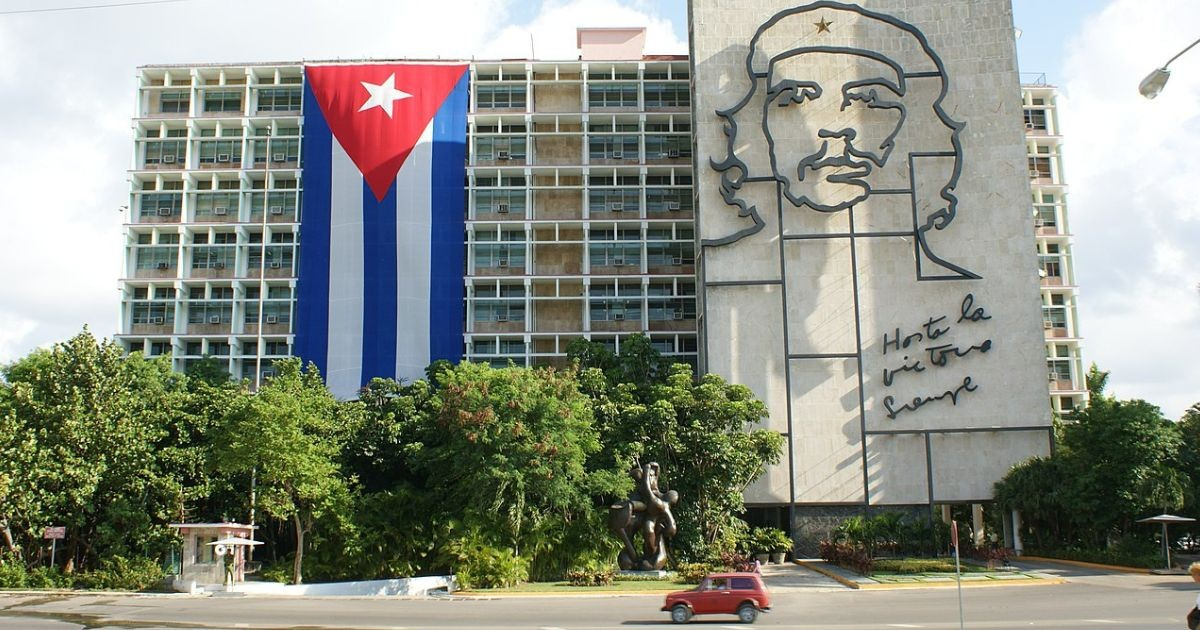
Additionally, the Office of Foreign Assets Control (OFAC) has updated entries for the Ministry of the Interior (MININT) and the National Revolutionary Police (PNR) to include them under the CUBA-EO14404 program, alongside their existing sanctions under the Global Magnitsky program.
Their directors, Oscar Alejandro Callejas Valcarce and Eddy Manuel Sierra Arias, were also subject to this update.
The nine individuals sanctioned include Roberto Morales Ojeda, Secretary of Organization of the Central Committee of the Communist Party of Cuba and Political Bureau member; Juan Esteban Lazo Hernández, President of the National Assembly of People's Power; and Mayra Arevich Marín, Minister of Communications and former CEO of ETECSA.
Other notable figures designated are Vicente De la O Levy, Minister of Energy and Mines, and Rosabel Gamon Verde, Minister of Justice.
In the military sphere, sanctions were imposed on four generals: Joaquín Quintas Sola, Deputy Minister of the Revolutionary Armed Forces; José Miguel Gómez del Vallín, Head of Military Counterintelligence of the Ministry of the Revolutionary Armed Forces; Eugenio Armando Rabilero Aguilera, Chief of the Eastern Army; and Raúl Villar Kessell, Chief of the Central Army and member of the PCC Central Committee.
This marks the second wave of individual sanctions against the regime in less than two weeks.
On May 7, Marco Rubio announced the initial designations under EO 14404, targeting GAESA, the military conglomerate controlling between 40% and 70% of Cuba's formal economy, along with its director Ania Guillermina Lastres Morera and Moa Nickel S.A.
As a result of that first package, major shipping companies like Hapag-Lloyd and CMA CGM halted operations to Cuba, and Canadian mining company Sherritt International suspended direct operations on the island.
The diplomatic context adds a layer of irony: just three days prior to being sanctioned, Morales Ojeda publicly boasted of the regime's "transparency" following a high-level meeting between CIA Director John Ratcliffe and MININT representatives in Havana on May 14.
Rubio was emphatic in stating that those designated "are responsible for the suffering of the Cuban people, the failure of the Cuban economy, and the exploitation of Cuba for foreign intelligence, military, and terrorism operations."
The Secretary of State warned that "additional sanction actions are expected in the coming days and weeks."
Understanding the Impact of U.S. Sanctions on Cuba
What are the key entities targeted by the recent U.S. sanctions on Cuba?
The U.S. sanctions targeted the Directorate of Intelligence of Cuba (DGI) and updated entries for the Ministry of the Interior (MININT) and the National Revolutionary Police (PNR) under the CUBA-EO14404 program.
Who are some of the prominent individuals affected by the sanctions?
Prominent individuals sanctioned include Roberto Morales Ojeda, Juan Esteban Lazo Hernández, and Mayra Arevich Marín, among others.
What led to the implementation of these sanctions?
The sanctions were imposed due to the Cuban regime's repression of its people and involvement in intelligence, military, and terrorist activities.