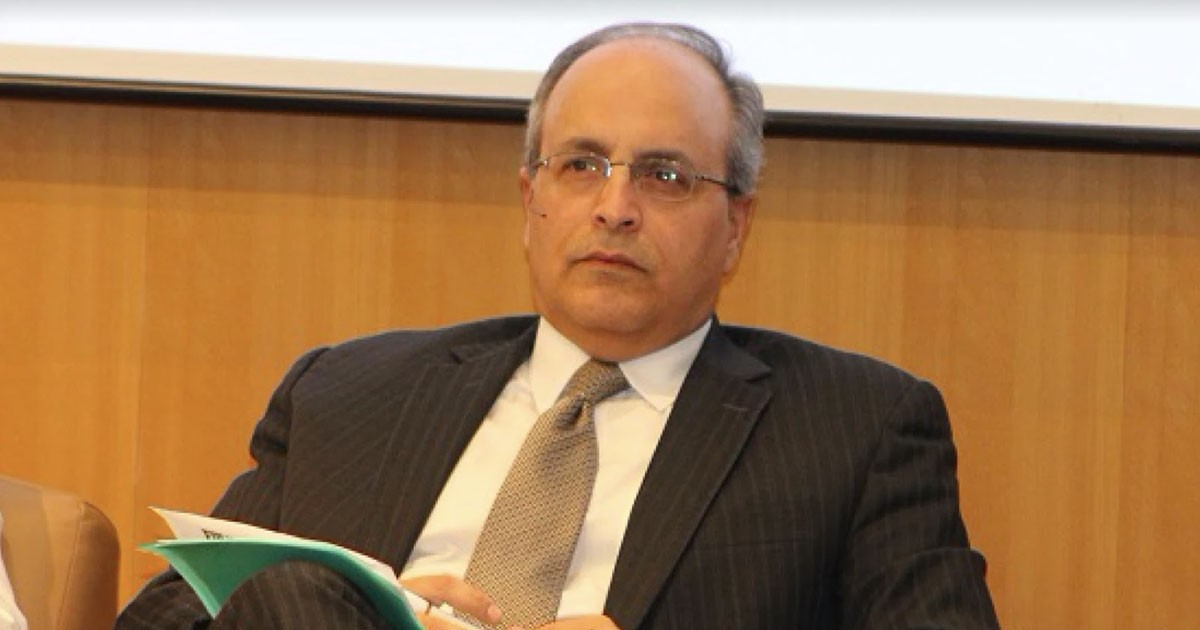
In a recent interview on N+ Univision's Esta Semana, Frank Mora, the former U.S. ambassador to the Organization of American States (OAS), highlighted that a military intervention in Cuba is still "possible," although not imminent. Mora's remarks were made during a conversation with journalist Enrique Acevedo.
Mora explained that Washington's approach resembles "almost a psychological operation," intended to pressure the Cuban regime into concessions. This strategy involves increasing sanctions, potentially prosecuting Raúl Castro, and the recent visit of CIA Director John Ratcliffe to Havana.
Cuba and Venezuela: A Parallel Strategy?
While Mora believes a military operation is not on the immediate horizon, he stressed its possibility. He drew parallels between the strategy used against Venezuela and the current moves against Cuba. "Washington aims to show Cubans: look, we did the same with Maduro concerning prosecution, which might suggest we could do the same with military action," Mora commented.
However, Mora expressed doubt about the impact of these measures on Cuba's leader: "This dictator, 94-year-old Raúl Castro, who is nearing the end of his life after 67 years in power, doesn't seem likely to react or be intimidated by these measures."
Legal Actions and Political Calculations
The U.S. Department of Justice is reportedly preparing formal charges against Raúl Castro for his role in the downing of the Brothers to the Rescue planes on February 24, 1996, resulting in the deaths of four Cuban-Americans, as reported by the Associated Press.
Mora placed the pressure on Cuba within the broader context of challenges facing Trump, saying, "The situation in Iran, the war in Iran is not favorable for the president. It's costing him politically and economically. The president needs a victory."
The former ambassador suggested that Trump might see Cuba as a political win: "He might think that if there is any change in Cuba, it could demonstrate his ability to achieve what no other U.S. president has."
Trump's Doctrine in Latin America
Nevertheless, Mora warned that the strategy has its limits: "There is simply no real support in the United States for what could be seen as foreign adventures at this moment."
Mora criticized Trump's doctrine in the hemisphere, describing it as focusing on coercion in Latin America, using tools like military power to achieve goals related to migration, drug trafficking, and countering Chinese influence.
He argued that this approach is insufficient, stating, "The problems we face in this hemisphere are truly complicated, complex, and transnational, and thus require a multinational response like the one the OAS forum can provide."
The interview comes during heightened tensions. Since January 2026, the Trump administration has imposed over 240 sanctions against Cuba, issued an executive order on May 1 to expand sanctions, and on May 7, Secretary of State Marco Rubio announced direct sanctions against GAESA, the Cuban military conglomerate controlling a significant portion of the island's economy.
Meanwhile, the Cuban government confirmed CIA Director Ratcliffe's visit to Havana, signaling that the U.S. would only discuss economic and security issues if Cuba implements "fundamental changes."
Mora concluded with an assessment of Trump's regional policy impact: "The president is quite unpopular in the region at this moment, and I don't see any effort from Washington to alter its current stance."
Understanding U.S.-Cuba Relations
Why is a military intervention in Cuba considered possible?
According to Frank Mora, although not likely in the short term, the possibility remains as part of a strategy to exert pressure on the Cuban regime to make concessions.
What parallels are drawn between U.S. strategies in Venezuela and Cuba?
The approach towards Cuba seems to mirror the tactics used against Venezuela, involving legal and military threats to coerce changes in governance.
What legal actions are being considered against Raúl Castro?
The U.S. Department of Justice is preparing charges against Raúl Castro for his role in the 1996 downing of the Brothers to the Rescue planes, which resulted in four Cuban-American fatalities.