The United States Transportation Security Administration (TSA) has concluded its technical assessment of the international airports in Maracaibo and Barcelona, Venezuela. This is part of the ongoing efforts to enhance direct air connectivity between the two nations, as announced by the U.S. Embassy in Caracas.
The diplomatic mission shared this update via a video on X, highlighting the evaluation as a component of the "three-phase plan by President Trump and Secretary Rubio for Venezuela."
"The United States remains committed to expanding commercial flights, linking our countries, and ensuring our economies thrive together," stated the Embassy.
Should the Maracaibo—located in the northwest state of Zulia—and Barcelona—capital of the northeastern state of Anzoátegui—airports obtain TSA security certification, it could pave the way for new direct routes to U.S. cities, bypassing Caracas.
This evaluation marks the next step in a process initiated in February 2026, when the TSA conducted a similar inspection at Simón Bolívar International Airport in Maiquetía, serving Venezuela's capital.
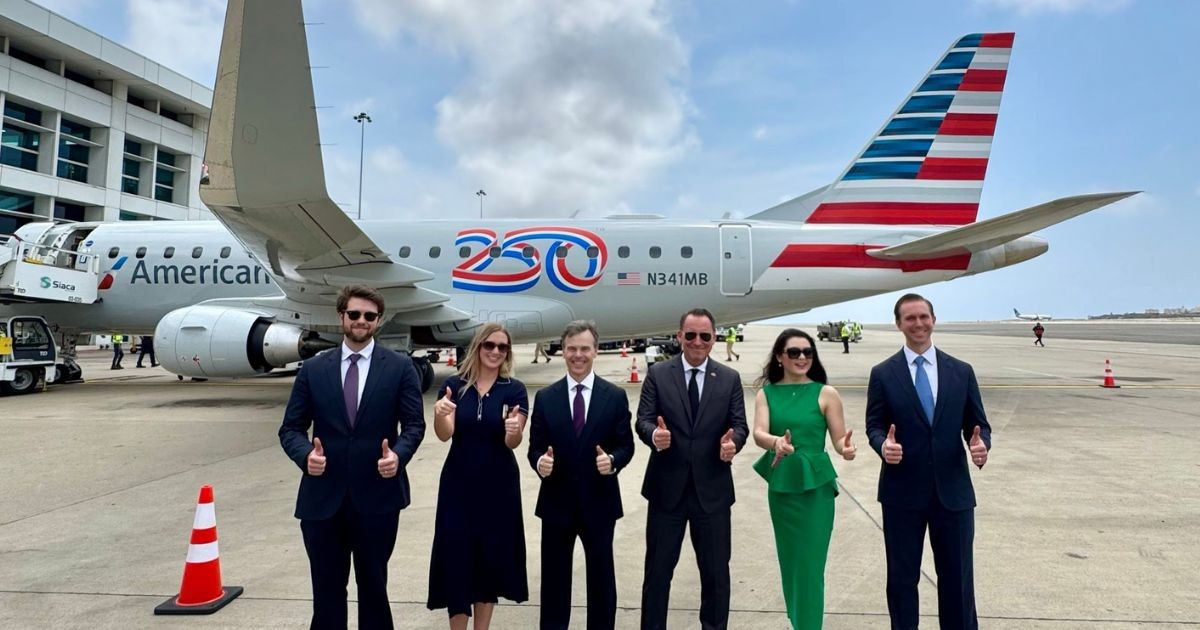
That initial step led to the historic reopening of direct Miami-Caracas flights on April 30, the first of its kind in nearly seven years, operated by American Airlines.
On the previous Tuesday, United Airlines announced the reinstatement of its Houston-Caracas route starting August 11, a service that had been suspended since June 2017.
U.S. Secretary of Transportation, Sean Duffy, applauded this development, noting that "United's first flight to Venezuela in eight years marks another exciting advancement in the relationship" between the countries.
Direct flights between the U.S. and Venezuela had been halted on May 15, 2019, during Trump's first term, when the Department of Homeland Security ordered the cessation of all commercial and cargo flights, citing that conditions in Venezuela "compromise the safety of passengers, aircraft, and crew."
This decision came amid a diplomatic crisis, as Washington recognized Juan Guaidó as president and imposed sanctions on Nicolás Maduro's government.
A turning point occurred on January 3, 2026, when U.S. forces captured Maduro during "Operation Absolute Resolution."
Following this, the U.S. and Venezuela agreed to restore diplomatic relations on March 5, 2026, and on March 14, the U.S. Embassy in Caracas raised its flag for the first time in seven years.
The assessment of the Maracaibo and Barcelona airports signifies Washington's strategy to extend connectivity beyond Venezuela's capital to two major economic and population hubs in the country, which have strong historical ties with the Venezuelan community in the United States.
Key Developments in U.S.-Venezuela Air Travel Relations
Why is the TSA evaluating airports in Venezuela?
The TSA is assessing Venezuelan airports to potentially expand direct air travel connections between the U.S. and Venezuela, enhancing economic and cultural ties.
What could the TSA certification mean for Maracaibo and Barcelona airports?
If certified, these airports could offer direct flights to U.S. cities, increasing accessibility and economic opportunities without needing to transit through Caracas.
What was the impact of the suspension of flights between the U.S. and Venezuela in 2019?
The suspension halted all commercial and cargo flights, affecting economic activities and personal travel, amidst heightened diplomatic tensions.
When did U.S. forces capture Nicolás Maduro?
Nicolás Maduro was captured on January 3, 2026, during the operation known as "Operation Absolute Resolution."