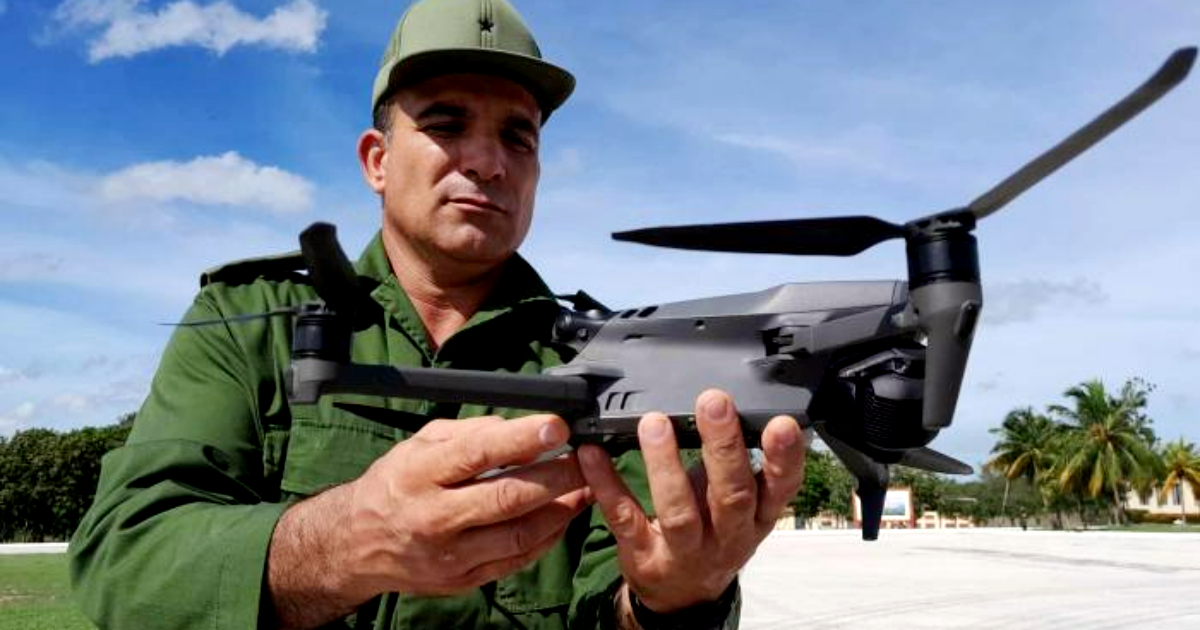
Recent disclosures by Axios regarding an alleged Cuban military drone program have reignited security concerns for the United States, placing Havana back in the spotlight.
According to U.S. officials cited by the outlet, Cuba is believed to have acquired over 300 drones from Russia and Iran since 2023. The nation is reportedly exploring asymmetric warfare tactics, drawing inspiration from Iran.
This information surfaces amid escalating tensions between Washington and the Cuban regime, characterized by fresh sanctions, accusations against Raúl Castro, and Havana's strengthening military ties with Moscow and Tehran.
While U.S. officials have clarified that they do not suspect Cuba is planning imminent attacks, the development of drone military capabilities just 90 miles from Florida increasingly concerns the Pentagon.
"We are not talking about Cuban fighter jets capable of challenging the U.S.," a senior official quoted by Axios explained. "Rather, we are dealing with low-cost technologies that are hard to detect and could potentially be used for provocation or irregular warfare."
Military experts agree that Cuba lacks the conventional capacity to engage in direct military confrontation with the United States. However, modern warfare has shown that relatively cheap drones can inflict significant damage or exert political and psychological pressure.
Iran has previously used drones to attack U.S. bases in the Middle East and to harass strategic infrastructure. Meanwhile, Russia has heavily utilized Iranian Shahed drones during its invasion of Ukraine.
The big question remains regarding the types of drones Cuba might have acquired. Axios mentions that U.S. officials refer to devices with "varied capabilities," yet specifics about models or their actual range remain undisclosed.
Analysts deem it unlikely that Havana could conduct sustained offensive operations against U.S. territory. However, they do caution about the possibility of limited incidents or symbolic actions during political or military crises.
Another element raising concerns in Washington is the cooperation between Cuba, Russia, and Iran. According to the report, intelligence intercepts suggest Cuban officials are eager to learn how Tehran has withstood sanctions and developed asymmetric warfare capabilities.
Additionally, U.S. officials estimate that thousands of Cubans sent to fight alongside Russia in Ukraine may have passed on drone warfare experience to military leaders on the island.
As Cuba endures one of its most severe economic crises in recent history, reports of military investments and collaboration with Iran are once again fueling tensions with the United States and increasing international pressure on the regime.
Understanding Cuba's Drone Capabilities and Their Impact
What is the significance of Cuba acquiring drones from Russia and Iran?
The acquisition of drones from Russia and Iran suggests an interest by Cuba in enhancing its military capabilities and exploring asymmetric warfare tactics. This move is significant as it raises security concerns for the United States, given the close proximity of Cuba to U.S. territory.
Why are drones considered a threat by the Pentagon?
Drones are viewed as a threat due to their low cost, difficulty in detection, and potential use in provocation or irregular warfare. They can inflict significant damage or apply psychological and political pressure, even without conventional military strength.
How does the cooperation between Cuba, Russia, and Iran affect the situation?
The collaboration between these nations could lead to Cuba gaining knowledge and tactics on how to resist sanctions and develop warfare capabilities. This cooperation is troubling for the U.S., as it may enhance Cuba's military strategy and capabilities.
What are the potential consequences of Cuba's military drone developments?
Cuba's drone developments could lead to increased tensions with the U.S., potential military incidents, and symbolic actions during crises. It may also intensify international pressure on the Cuban regime amid its economic struggles.