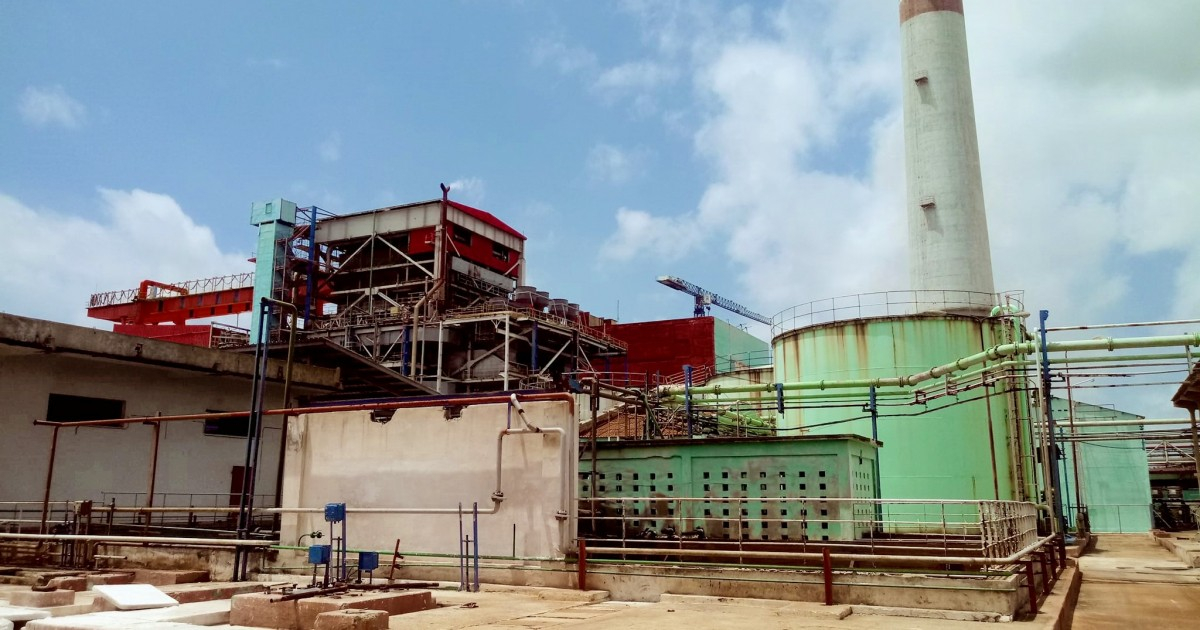
The Unit 1 at Lidio Ramón Pérez Thermoelectric Power Plant, known as "Felton," was synchronized to the grid at 10:42 AM this Friday but was offline again just two and a half hours later, at 1:13 PM, due to high levels in the low-pressure heater, as reported by the Electric Union on social media.
This interruption directly worsens the electricity forecast for Friday night.
The Electric Union had predicted fewer blackouts today, banking on Felton's contribution, which was expected to provide 1,601 MW against a peak demand of 3,220 MW, leaving a deficit of 1,619 MW during the nighttime peak. This was a considerable improvement over Thursday's maximum shortfall, which reached 1,991 MW at 9:20 PM.
With Felton's unit offline again, the anticipated improvements are in jeopardy, and the blackouts scheduled for tonight will likely exceed this morning's announcements.
Critical Situation in Eastern Cuba
The power situation is particularly dire in the eastern part of the country. Santiago de Cuba, Granma, and Guantánamo have been operating as isolated microsystems from the National Electric System, eagerly awaiting Felton's reconnection, which is key to reintegrating these provinces into the national grid.
This latest breakdown occurs amid a disastrous energy landscape. The Minister of Energy and Mines, Vicente de la O Levy, acknowledged on Thursday that Cuba is "completely out of fuel, diesel, and solely relying on accompanying gas," describing the scenario as "acute, critical, and exceedingly tense."
Impact of Fuel and Infrastructure Failures
Compounding the fuel crisis is the breakdown of the Antonio Guiteras Thermoelectric Plant, the largest individual generator in the system, which went offline on Thursday due to a boiler leak. This marks its ninth malfunction in 2026, with repairs expected to take three to four days.
Felton has faced a series of outages this year. On February 5, its simultaneous shutdown with Unit 5 of Renté caused a massive blackout in the east; on February 11, it went offline due to a false hydrogen sensor alarm; and on May 11, it shut down for 96-hour maintenance, pushing the projected deficit to 1,985 MW.
Unit 2 of the plant remains in disrepair, and its Block 2 has been undergoing rehabilitation since 2019, with repairs anticipated to continue until 2027-2028.
Fuel Supply Collapse and Broader Implications
The collapse of external fuel supply exacerbates the structural crisis. Cuba depleted its Russian oil—100,000 metric tons received on March 31—by the end of April, with no new shipments confirmed. The country has not received Venezuelan crude since November 2025, nor oil from Mexico since February 2026.
On May 13, a record shortfall of 2,153 MW was recorded at 9:30 PM, and Thursday's partial collapse of the National Electric System left the entire central and eastern regions of the country, from Ciego de Ávila to Guantánamo, without power.
Frequently Asked Questions about Cuba's Energy Crisis
What caused the recent outage at the Felton plant?
The latest outage at the Felton plant was due to high levels in the low-pressure heater.
How is the fuel crisis affecting Cuba's energy situation?
Cuba's energy crisis is exacerbated by a lack of fuel, with the country having run out of Russian oil and receiving no new shipments from Venezuela or Mexico.
What regions in Cuba are most affected by the power outages?
The eastern regions of Cuba, including Santiago de Cuba, Granma, and Guantánamo, are particularly affected by the power outages.