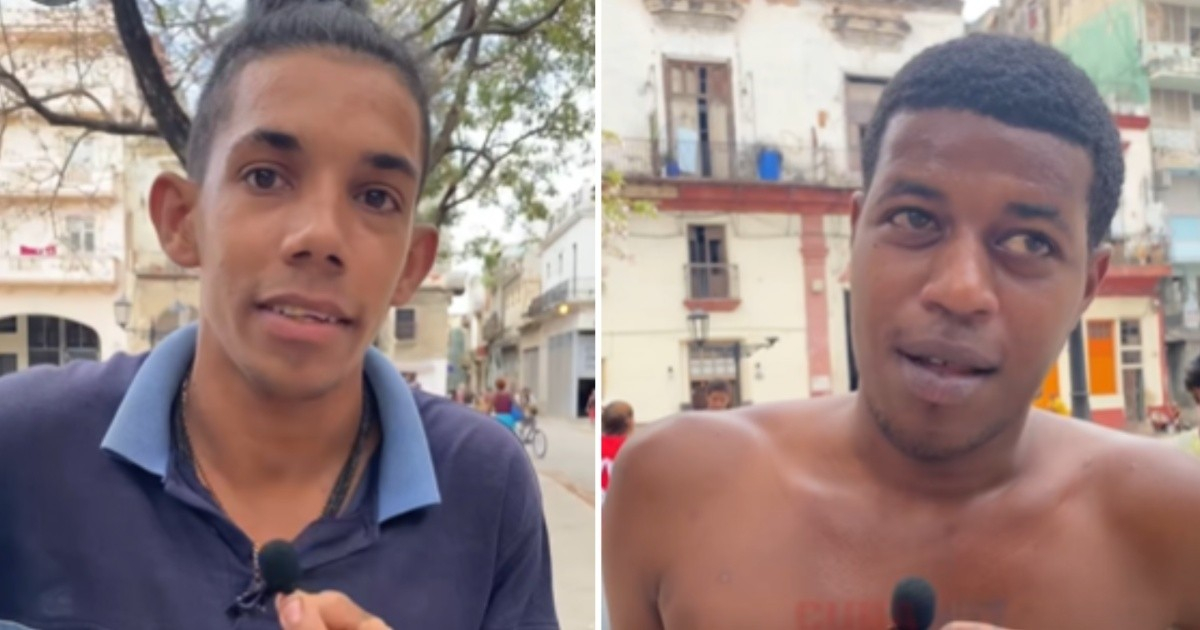
In a compelling video released by the independent media outlet CubaNet, young people on the streets of Havana are asked a straightforward question: "Will this fall or not?" The unanimous answer from those interviewed is a resounding yes, it will fall.
The Facebook reel from CubaNet emerged during one of the most severe multi-dimensional crises Cuba has faced in decades. The timing coincided with widespread protests in the capital, sparked by persistent blackouts.
One young voice on the street shared, "Of course, it's going to fall because we're starving here. The situation in Cuba is extremely difficult, girls."
Another interviewee elaborated, "Every day, we move backward, never forward, always backward. It must fall because there's no electricity, no resources—nothing at all."
A third participant summarized the dire circumstances: "There's no power, no water, no food. Yesterday, they cut the electricity as well. We're stuck enduring the same hardships over and over."
The Harsh Reality of Daily Life in Cuba
The backdrop to these comments is grim. On May 13, the U.S. Embassy in Havana reported "numerous accounts of protests across Havana" and issued a security alert the following day due to power outages and social unrest.
In the capital, power outages lasted up to 14 hours, while in rural areas, they exceeded 20 hours. The projected electricity shortfall during peak hours was approximately 1,960 MW, with only 1,290 MW available against a demand of 3,250 MW.
These blackouts not only plunge homes into darkness but also halt water supply, as 87% of Cuba's water system relies on electricity. As of 2026, only 18.3% of Cubans received daily potable water, a significant drop from 34.1% in 2024.
Worsening Food Insecurity
The food crisis further exacerbates the situation. A recent survey indicated that one in three Cuban households had at least one member who went to bed hungry in the past year—a 9.3-point increase from 2024.
Moreover, 79.4% of families allocate 80% or more of their income just to food. The power outages have affected food preparation in 80% of homes, and 48.3% reported food spoilage due to lack of refrigeration.
Disillusionment Among Cuban Youth
Among the youth, discontent has structural roots. Approximately 800,000 young Cubans are disconnected from both work and education.
The Union of Young Communists has seen a membership decline from 609,000 to 415,000 between 2007 and 2024—a 32% drop driven by mass emigration and ideological disillusionment.
The sentiment shared by young people in the streets is not isolated. A survey published in January 2026 found that 62% of Cubans believe the regime might collapse that year, while a mere 3% think it will not.
Interviewed in Havana's Obispo Street earlier this year, residents expressed a desire for change: "We want change, but without war," echoing a sentiment that persists in every new video emerging from the island.
Understanding the Crisis in Cuba
What triggered the recent protests in Havana?
The recent protests in Havana were primarily triggered by the frequent and prolonged blackouts affecting the city and the broader economic crisis facing the country.
How have the power outages impacted daily life in Cuba?
The power outages have greatly disrupted daily life, affecting not only lighting but also water supply and food preservation, as most of Cuba's infrastructure relies heavily on electricity.
What is the current state of food security in Cuba?
Food security in Cuba is deteriorating, with many families spending the majority of their income on food, and a significant number reporting instances of hunger due to food shortages and spoilage.