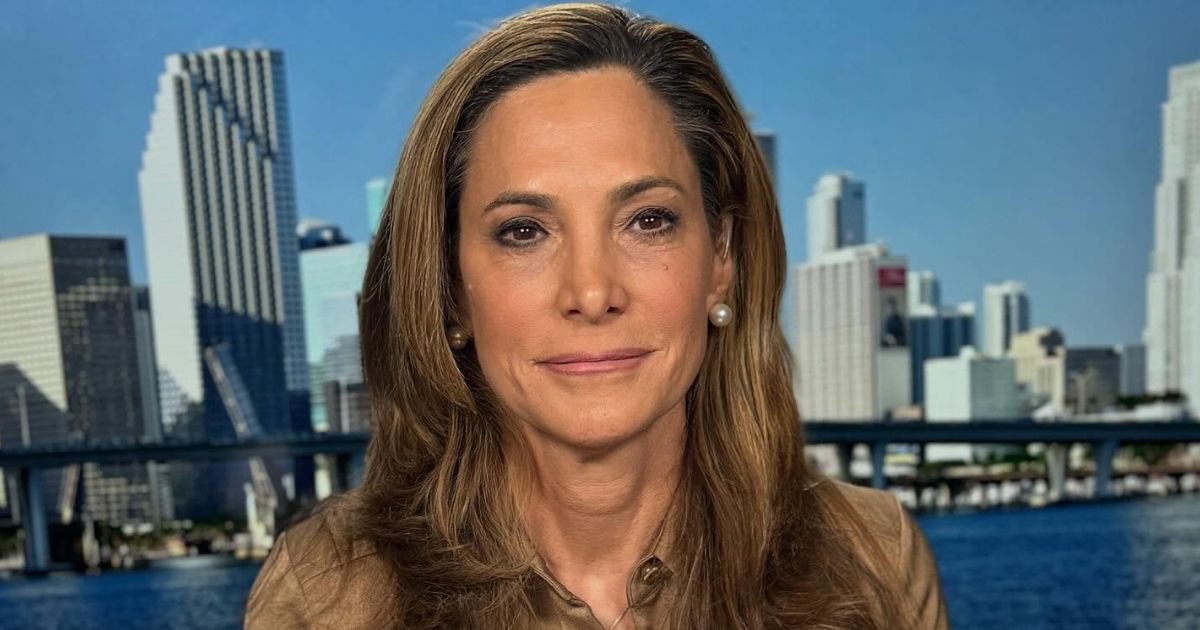
The Cuban-American Congresswoman, María Elvira Salazar, shared a poignant message this Friday, reflecting on those who devoted their lives to the quest for freedom in Cuba but never witnessed the moment she believes is now closer than ever.
“So many heroes of a free Cuba never saw this moment coming. They fought, suffered, sacrificed, and kept the hope of freedom alive for generations. We are closer than ever,” Salazar wrote on her X account, in response to a tweet by Cuban-American strategist Giancarlo Sopo, who stated, “I wish my father were alive to see this. The hour is near. Cuba will be free.”
A Turning Point in History
Sopo’s tweet linked to a CBS News report revealing that the U.S. Department of Justice is moving forward with plans to criminally charge Raúl Castro, now 94, for the downing of two Brothers to the Rescue aircraft on February 24, 1996.
During that attack, Cuban MiG-29 fighters shot down two unarmed Cessnas over international waters, resulting in the deaths of Armando Alejandre Jr., Carlos Costa, Mario de la Peña, and Pablo Morales. The Organization of American States (OAS) determined that the incidents occurred nine and ten nautical miles outside Cuban territorial airspace, breaching international law. The Justice Department aims to hold Raúl Castro accountable for this crime that has remained an open wound for the Cuban-American exile community for 30 years.
Diplomatic Tensions and Global Implications
Salazar's tweet emerged during a week of heightened diplomatic tensions. On Thursday, CIA Director John Ratcliffe traveled to Havana to deliver a message from Trump to the Cuban regime: the United States is open to dialogue, but only if Cuba makes "fundamental changes." Ratcliffe met with the head of Intelligence of the MININT and Raúl Guillermo Rodríguez Castro, Raúl Castro's grandson, known as "El Cangrejo."
The pressure on Havana is unprecedented. On May 7, Marco Rubio announced targeted sanctions against GAESA—the military conglomerate that controls between 40% and 70% of the Cuban economy—with a deadline of June 5 for foreign companies to cease operations. Salazar praised these sanctions as a blow "to the financial heart of the dictatorship."
Economic and Energy Crisis Intensifies
The island's energy crisis exacerbates the situation: last Wednesday, the electricity deficit reached a record annual high of 2,113 MW, causing blackouts of up to 22 hours in Havana and 24 hours in eastern provinces. The Minister of Energy publicly admitted that Cuba lacks diesel and fuel oil reserves.
Last Wednesday, Salazar warned that the United States cannot continue to pretend that the Cuban crisis ends at the island's shores, describing the regime as "a national security threat" just 90 miles from Florida.
In April, Salazar was even more direct before Congress: "The communist regime in Cuba is on life support. Trump just needs to pull the plug."
Understanding the Current Cuban Crisis
What is the significance of the potential charges against Raúl Castro?
The potential charges against Raúl Castro are significant as they relate to the downing of two Brothers to the Rescue aircraft in 1996, a long-standing issue for the Cuban-American exile community. It represents a move towards accountability for actions that violated international law.
How are recent sanctions impacting Cuba?
Recent sanctions, particularly those targeting GAESA, are putting financial pressure on the Cuban government by affecting a significant portion of the economy that the military conglomerate controls. These sanctions aim to force economic and political change.
Why is the energy crisis a major concern for Cuba?
The energy crisis is critical because it has led to prolonged blackouts, which disrupt daily life and economic activities, further straining the already struggling Cuban economy. The lack of fuel reserves exacerbates this challenge.