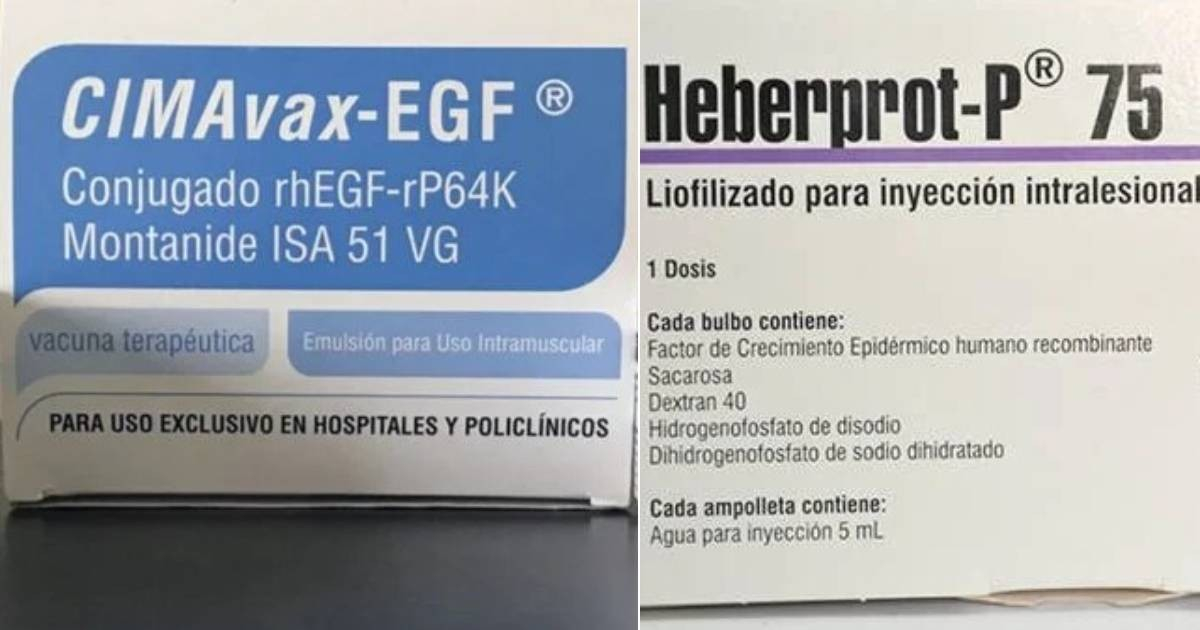
The Cuban ambassador to Guyana, Jorge Francisco Soberón Luis, is advocating for the introduction of Cuban biotechnological medications—specifically those targeting cancer and diabetes—in the Caribbean nation. This initiative marks a fresh strategy by the Cuban government to sustain trade relations following the collapse of its medical mission in the region.
During a recent appearance on the talk show SOURCES, Ambassador Soberón Luis spotlighted two notable products: Heberprot-P, a drug aimed at reducing amputation risks in diabetes patients, and CIMAvax-EGF, a therapeutic vaccine for lung cancer.
"In addition to vaccines developed to combat COVID-19, Cuba has successfully produced unique biotechnological drugs to prevent amputations, such as Heberprot-P for diabetes, and also distinct medications to fight cancer, like the CIMAvax for lung cancer," Soberón Luis stated.
The ambassador emphasized that since the 1980s, Cuba has invested significantly in biotechnology, allowing the nation to develop numerous COVID-19 vaccines. Currently, Cuba boasts a conglomerate of over 35 companies exporting pharmaceuticals to more than 40 countries.
Guyana is witnessing a steady rise in diabetes, hypertension, and various cancer cases, making it a potential market for these pharmaceuticals, especially during an economic boom fueled by oil.
However, Cuba's biotechnological push occurs amidst a backdrop of deteriorating diplomatic relations. Earlier this year, between February and March, Cuba withdrew its Medical Brigade from Guyana after nearly half a century of cooperation, due to the failure to secure a new bilateral agreement.
Guyana's Minister of Health, Dr. Frank Anthony, stated in March that Cuba decided to withdraw the brigade while negotiations for a new agreement were ongoing.
Conversely, on May 8th, Ambassador Soberón Luis argued that the withdrawal resulted from Guyana's failure to approve the new agreement. "We had an active agreement being implemented. At some point, the intention to modify it arose. We held discussions on potential changes, but a new agreement was not approved," he noted.
This withdrawal is part of a regional wave of cancellations partly driven by U.S. pressure. Since early 2025, Washington has urged Latin American and Caribbean countries to end medical cooperation with Cuba, citing forced labor and human trafficking concerns.
In March 2026, Jamaica also terminated its program, withdrawing 277 Cuban healthcare professionals after nearly fifty years of collaboration.
With the decline in income from medical missions, Cuba is now seeking to generate revenue through the export of biotechnological products, even as the country grapples with a severe shortage of medications for its own people.
Guyana has opted to hire Cuban doctors individually, bypassing previous state-mediated arrangements, but the ambassador stressed that Cuba remains eager to continue medical cooperation with Guyana. "We will keep advocating for the establishment and deepening of these collaborations between Cuba and Guyana, as Cuba is willing to share this knowledge and these products with Guyana," he asserted.
Frequently Asked Questions About Cuba's Pharmaceutical Exports to Guyana
What medications is Cuba exporting to Guyana?
Cuba is seeking to export biotechnological medications such as Heberprot-P, for diabetes, and CIMAvax-EGF, a therapeutic vaccine for lung cancer, to Guyana.
Why did Cuba withdraw its Medical Brigade from Guyana?
Cuba withdrew its Medical Brigade from Guyana due to the inability to secure a new bilateral agreement, according to Ambassador Soberón Luis. However, Guyana's Health Minister mentioned that Cuba made the decision during ongoing negotiations for a new agreement.
How is the U.S. influencing Cuba's medical cooperation in the region?
Since 2025, the U.S. has been influencing countries in Latin America and the Caribbean to end their medical cooperation with Cuba, citing concerns over forced labor and human trafficking associated with Cuban medical missions.