Consumer prices in the United States rose by 3.8% year-over-year in April 2026, marking the highest level since May 2023. This increase, as reported by the Department of Labor on Tuesday, is largely attributed to the rising costs of energy following the ongoing conflict with Iran.
This conflict has been intensifying for ten weeks since the attacks by the United States and Israel on Iran's nuclear facilities on February 28. In response, Iran has blocked the Strait of Hormuz, a crucial passage for approximately 20% of the world's oil and liquefied natural gas.
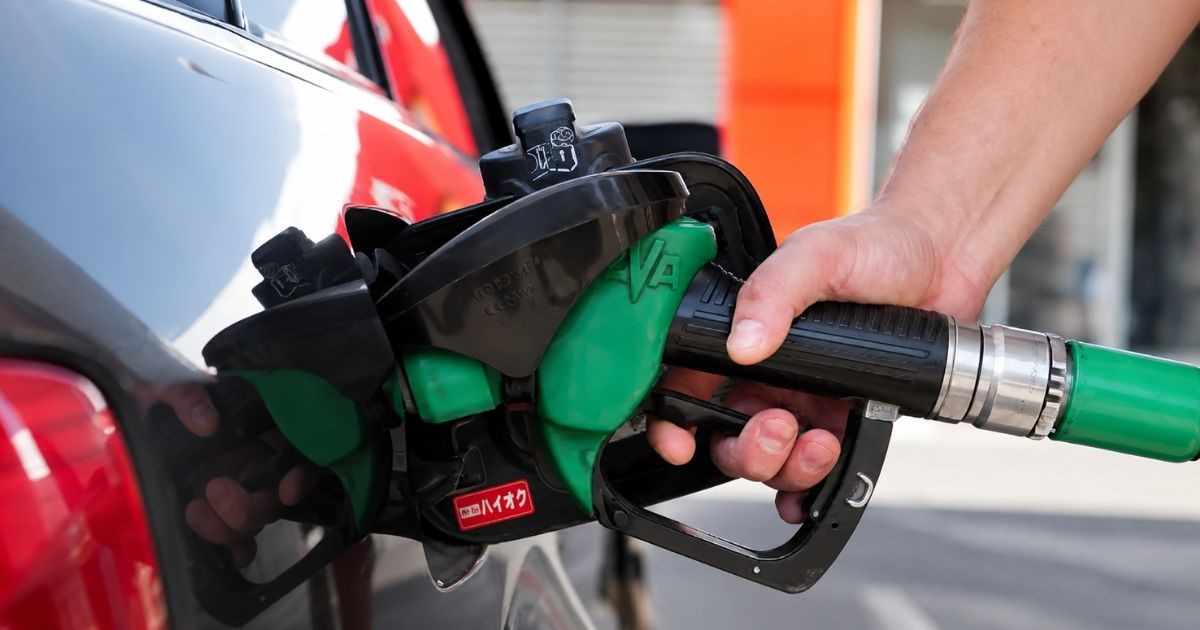
Gasoline prices alone soared by 5.4% in April compared to March, accumulating a staggering increase of over 28% from the previous year. The automobile association AAA documented the average price of a gallon of regular gasoline exceeding $4.50 on Tuesday, a 44% rise from a year ago.
On a monthly basis, the overall price index increased by 0.6% from March to April. Meanwhile, the core inflation rate—which excludes food and energy—stood at 2.8% annually, indicating that the energy impact has not yet fully permeated the rest of the economy.
Impact on Households and Businesses
Grocery prices rose by 0.7% from March to April, with meat being the primary contributor. Middle and lower-income households are bearing the brunt: for the first time in three years, inflation is consuming all wage gains, with real wages down 0.3% year-over-year in April.
"Inflation is currently the biggest drag on the U.S. economy," stated Heather Long, chief economist at Navy Federal Credit Union. "For the first time in three years, inflation is eating up all wage gains. It's a setback for middle and lower-income households, and they're aware of it. They're having to cut back on spending and stretch every dollar," she noted.
The strain is palpable in households nationwide. Grace King, a 31-year-old administrative assistant from Ames, Iowa, previously spent $200 a month on clothes but can no longer afford it. "There's pressure everywhere, from the groceries I buy to the gas to fill up the tank," she remarked. "I've drastically cut back on my discretionary spending."
Businesses are also feeling the squeeze. Whirlpool, the appliance maker behind brands like KitchenAid and Maytag, reported nearly a 10% drop in revenue for its latest quarter, describing the situation as a "recession-level downturn" that has eroded consumer confidence.
Political and Economic Measures
On the political front, President Donald Trump proposed suspending the federal gas tax—18.4 cents per gallon—on Sunday to ease the pressure at the pumps. However, this measure requires Congressional approval, and the tax generates over $23 billion annually for road infrastructure.
Trump has also urged the Federal Reserve to cut interest rates, but the central bank remains cautious given the uncertainty over the conflict's duration. The Senate moved forward on Monday with the confirmation of Kevin Warsh as the new Fed chairman, replacing Jerome Powell, whose term expires on May 15. There remains uncertainty about whether Warsh will push for rate cuts in the current wartime context.
Inflation had previously peaked at 9.1% year-over-year in June 2022 following Russia's invasion of Ukraine and had been steadily declining to 2.4% in February 2026, before the Iran conflict reversed this trend.
Understanding the Impact of Rising Gas Prices
How has the conflict with Iran affected U.S. gas prices?
The conflict has led to the blockade of the Strait of Hormuz by Iran, disrupting the supply of oil and liquefied natural gas, which has significantly increased gas prices in the U.S.
What measures has President Trump proposed to address rising gas prices?
President Trump has suggested suspending the federal gas tax to alleviate pressure at the pumps, although this requires Congressional approval.
What impact does inflation have on middle and lower-income households?
Inflation is consuming wage gains, forcing these households to cut back on spending and making it harder for them to manage their finances.