Héctor Castro Santana, the grandson of Ramón Castro and great-grandson of Ángel Castro Argiz—father to Fidel and Raúl—has emerged as a joint administrator of MAY Energía España SL. This Spanish subsidiary of the Australian oil company Melbana Energy Limited received authorization from the Cuban government to export crude oil extracted from Block 9 in Cuba. This information comes from an investigation by journalist Salome Garcia published on Substack.
Founded on April 25, 2024, the company's incorporation was announced in the June edition of Spain's Official Gazette of the Commercial Registry.
The firm's address is Calle Alcalá 114 - 1º A, Madrid, which is also the location of The CC Law Firm, managed by Castro Santana.
Alongside Castro Santana, Andrew Gerard Purcell, Melbana's president, and Uno Makotsvana, the company's CFO since January 2025, are named as joint administrators.
This joint management structure necessitates the signatures of all administrators for any actions, effectively granting the Castro family direct control over the sale of Cuban crude through an overseas entity.
The investigation suggests that this setup allows the Castro family to directly manage the sale of oil from Block 9, bypassing both the GAESA conglomerate and the state oil company CUPET.
Castro Santana graduated with a law degree from the University of Havana in 1999 and moved to Spain at 24, utilizing his Spanish citizenship—a heritage shared by other family members due to Ángel Castro's Galician roots.
In a 2018 interview with the Galician outlet El Progreso, he acknowledged maintaining good relations with his great-uncle Raúl Castro and the Cuban embassy in Spain.
By 2021, Castro Santana was managing The CC Law Firm and Boza Abogados y Consultores SL in Spain, as well as the real estate firm Elite Real Estate & Consultancy SL and the event production company Hummo Productions SL.
A 2024 investigation by YucaByte also revealed his connections to companies exporting Cuban charcoal, spirits, honey, fruits, fish, and seafood.
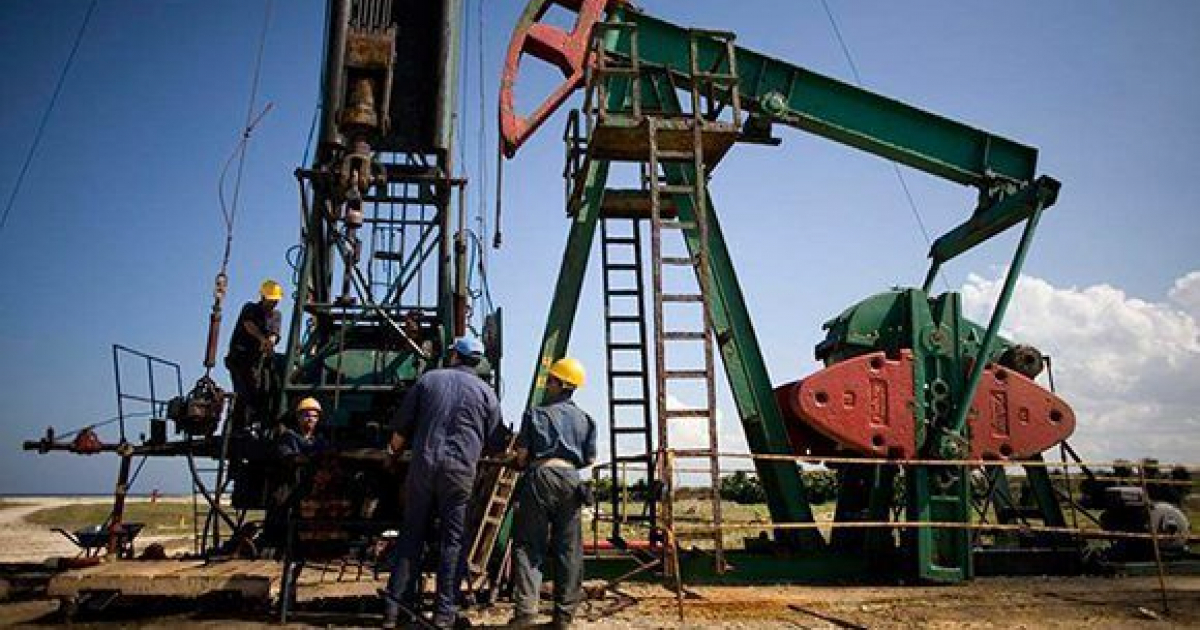
Melbana Energy Limited secured 100% extraction rights for 25 years in Block 9—a 2,380 km² area 140 km east of Havana—via a production-sharing contract with CUPET in September 2015.
In 2020, it partnered with Angola's state oil company Sonangol, which took a 70% stake in exchange for financing 85% of the drilling operations.
In 2023, Melbana announced a discovery of light oil in the Alameda-2 well in Martí, Matanzas, with a flow rate of 1,903 barrels per day. CUPET experts deemed this one of the most promising results achieved in recent years by foreign investors in Cuba.
The Cuban authorities confirmed the find, raising expectations about Block 9's export potential.
However, the operation faces challenges. In December 2025, Sonangol missed payments totaling $23.5 million and requested drilling delays.
By April 2026, Melbana reported the default and considered Sonangol's withdrawal from Block 9, initiating steps to take over its 70% stake.
As of the fiscal year-end 2025, the total inventory was just 22,863 barrels, valued at approximately $1.5 million, while Cuba requires around 100,000 barrels daily to meet national demand.
This discovery comes amid heightened pressure on foreign operations in Cuba. On May 1, 2026, President Trump signed Executive Order 14404, expanding sanctions against foreign nationals operating in sensitive sectors of the Cuban economy, including energy, defense, and mining.
In immediate response, Canadian mining company Sherritt International announced the suspension of all joint ventures in Cuba last Thursday, preempting a potential designation as a sanctioned entity.
Melbana has yet to issue a public statement on the matter.
It remains to be seen whether the Australian oil company's board will cooperate with U.S. authorities if required to disclose the terms of its agreements with the Castro family.
Key Insights on Cuban Oil Ventures and International Sanctions
What role does Héctor Castro Santana play in the Cuban oil industry?
Héctor Castro Santana serves as a joint administrator of MAY Energía España SL, a subsidiary involved in exporting Cuban crude oil, giving the Castro family a significant role in the oil industry.
How might U.S. sanctions impact foreign companies in Cuba?
U.S. sanctions, such as those expanded under Executive Order 14404, could deter foreign companies from operating in Cuba's sensitive sectors by imposing financial and legal penalties, as seen with Sherritt International's suspension of joint ventures.