Two sergeants from the Miami-Dade Sheriff's Office have filed a federal lawsuit against the producers of the movie "The Rip," claiming the film defamed them by depicting corrupt officers in a story based on an actual operation they led.
According to Univision, Jason Smith and Jonathan Santana have taken legal action against Falco Pictures and Artists Equity—the latter co-founded by Ben Affleck and Matt Damon—in the United States District Court for the Southern District of Florida. The lawsuit was filed last week, and Netflix, along with the actors individually, is not named as a defendant.
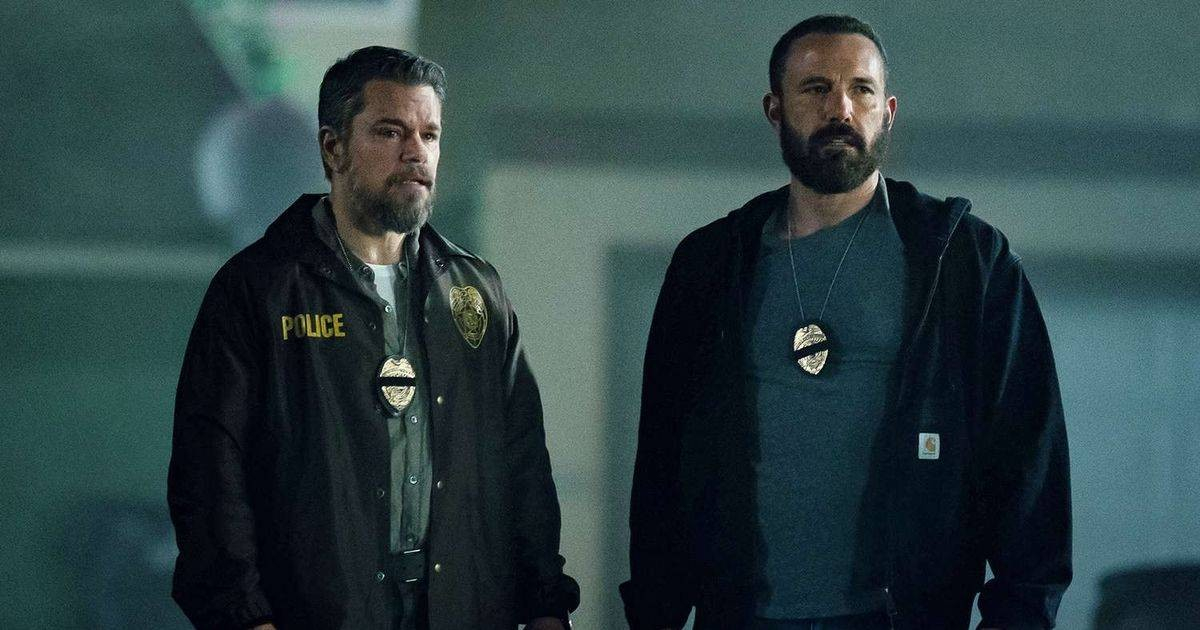
The movie, which debuted on Netflix on January 16, features Affleck and Damon as officers who discover millions in cash stashed in a house, with a storyline involving police corruption, theft of seized money, and the murder of a police captain.
Real Operation Inspires Fictional Plot
Elements of the script draw from a real-life operation that occurred in June 2016 in Miami Lakes, where over $21 million was found hidden in orange five-gallon buckets, connected to a marijuana trafficking network.
The lawsuit claims Smith oversaw the operation and Santana executed it, and although the movie doesn't name them directly, it incorporates "distinctive elements" of the investigation that make them identifiable.
Claims of Reputation Damage
"The film and its promotional material suggest misconduct, poor judgment, and unethical behavior related to an actual law enforcement operation," the lawsuit states. "As a result, the plaintiffs have suffered damage to their reputation, diminished standing among peers and colleagues, and harm to their credibility in law enforcement and professional circles."
Before filing the lawsuit, the sergeants sent letters to both production companies demanding a public retraction and "corrective measures," which were never implemented.
Production Companies Defend Their Work
The companies rejected the demands, arguing that the film includes a fiction disclaimer, that the characters have no real names, the fictional raid takes place in Hialeah rather than Miami Lakes, and the house belongs to a woman, not a man. Furthermore, they emphasize that the corruption and crime plots are entirely fabricated.
The plaintiffs counter that the full fiction disclaimer appears only after the credits, while the "inspired by true events" message is prominently displayed at the beginning of the film.
Consequences for the Sergeants
The impacts on the sergeants have been significant: the lawsuit notes that one of them was contacted by a Miami-Dade County state prosecutor, who inquired about theft allegations related to the case and indicated his office would investigate.
"Third parties have asked the plaintiffs which movie characters they were and how many buckets they took," the lawsuit states. "Family members, colleagues, and peers in other entities also remarked that the plaintiffs must have used seized funds to make improvements to personal properties, purchase vehicles and boats, and fund private education for their children."
In addition to defamation, the lawsuit alleges intentional infliction of emotional distress and economic damages.
This isn’t the first controversy surrounding the film: in January, Hialeah Mayor Bryan Calvo publicly criticized "The Rip" for using the local police’s official emblem and associating his city with corruption, even considering legal action alongside Police Chief George Fuente.
Lawsuit and Filmmaking: Key Questions and Answers
What is the basis of the lawsuit filed by the Miami-Dade sergeants?
The lawsuit alleges defamation, claiming that the film "The Rip" depicts corrupt officers and includes elements from a real-life operation led by the sergeants, damaging their reputation and credibility.
How have the production companies responded to the lawsuit?
The production companies argue that the film is fictional, includes a disclaimer, and the characters and storylines are entirely invented, rejecting the claims of defamation.
What are the alleged consequences for the sergeants due to the film's release?
The sergeants claim they have faced reputation damage, inquiries about their involvement in theft, and personal and professional harm as a result of the film's portrayal.