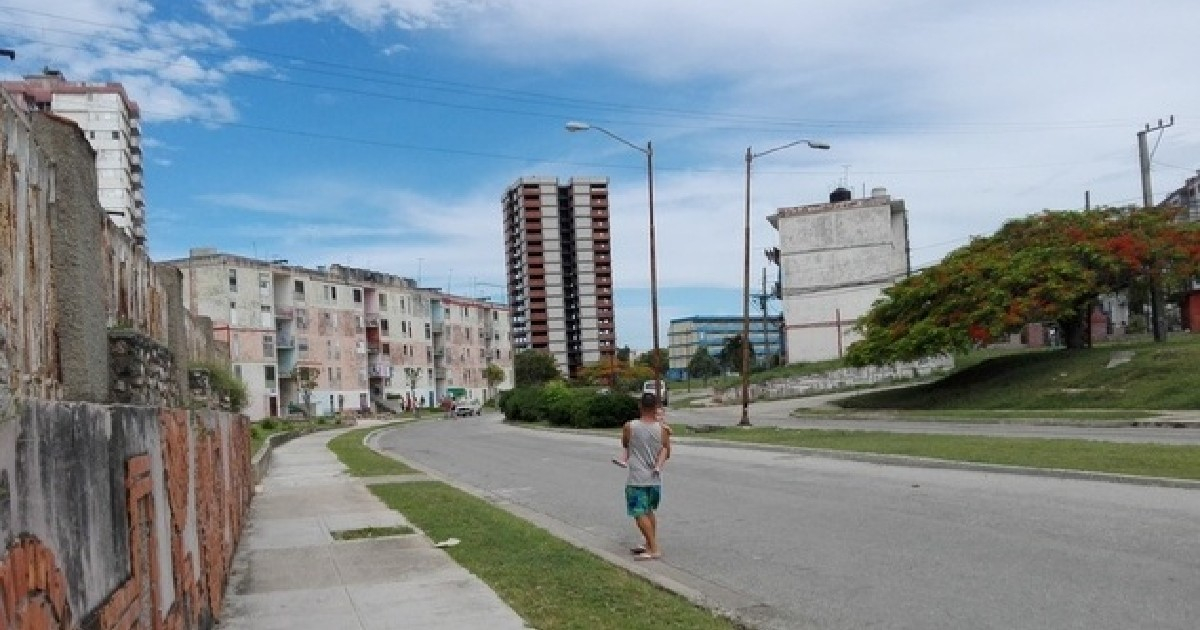
Yurelis Puente Naranjo, aged 44, tragically lost her life last Thursday in her own home in Abreus, Cienfuegos, allegedly at the hands of her ex-husband, as reported by the independent organization, Alas Tensas Gender Observatory (OGAT).
According to community sources verified by the NGO, the perpetrator attacked Yurelis inside her residence in Juraguá and later surrendered to the police.
The victim leaves behind at least one young daughter. The observatory has reached out to the public for assistance in gathering more information about other surviving children and any prior incidents of violence before the crime occurred.
As of May 10, OGAT's records confirm that this incident raises the number of femicides in Cuba to 22 in 2026 alone.
Alarming Trends in Cuban Femicide Cases
During this same timeframe, the organization also documented 17 femicide attempts and the gender-related murder of a man, while investigating six additional suspected femicide cases reported this year.
OGAT's statement highlights the ongoing "extreme violence against women in Cuba, particularly within relationships and ex-partnerships, where femicides continue to occur with significant brutality."
The Impact on Cuban Society
The observatory also warned about the "traumatic impact on children, families, and communities in a context marked by institutional deficiencies, silence, and the lack of effective protection for victims."
The circumstances of Yurelis's case align with the most common pattern documented by OGAT: murdered by an ex-partner, at home, leaving behind young children. Their annual report indicates that 83.3% of femicides in Cuba are committed by the partner or ex-partner, 62.5% occur at home, and 64.6% are carried out with knives.
The femicide rate in 2026 is distressing: six cases in January, one in February, six in March, at least seven in April—making it the year's most violent month—and a minimum of two in May.
Recent Cases Highlight Government Inaction
The 21st femicide recorded by OGAT was that of Gloria Almanza Céspedes, a 52-year-old teacher, murdered on May 1 by her ex-partner in San Miguel del Padrón, Havana. Despite having previously reported her aggressor to the police, she received no effective protection from the authorities.
In April, a double femicide in Batabanó, Mayabeque, claimed the lives of Rosalí Peña Hernández, 31, and her 12-year-old daughter Camila Aguilera Peña, both killed by Rosalí's partner.
Lack of Legal Protections and Resources
The Cuban government's response to the escalating violence against women has been largely inadequate. The penal code in place since 2022 does not recognize femicide as a distinct crime; such cases are prosecuted under generic charges like homicide. Furthermore, Cuba lacks comprehensive gender violence legislation despite repeated demands from activists.
There are no shelters or effective protection protocols for women at risk in the country.
In April, the platform Yo Sí Te Creo en Cuba (YSTCC) closed its femicide observatory due to resource shortages, leaving OGAT as the sole independent entity systematically monitoring these crimes on the island.
From 2019 to the end of 2025, OGAT and YSTCC documented a total of 315 femicides in Cuba, in the absence of transparent official statistics from the regime.
Understanding Femicide in Cuba
What is the current femicide rate in Cuba for 2026?
As of May 10, 2026, there have been 22 confirmed femicide cases in Cuba.
How does the Cuban government address femicide?
The Cuban government has been criticized for its inadequate response, as femicide is not recognized as a separate crime, and the country lacks comprehensive gender violence laws and effective protection measures for women at risk.
What role does OGAT play in monitoring femicide cases?
OGAT independently tracks and documents femicide cases in Cuba, providing crucial data in the absence of transparent government statistics.