The Cuban government dismissed claims on Monday regarding an outbreak of hepatitis A on the island, despite documented cases between March and April across various provinces. Simultaneously, they acknowledged the "very complex" health situation due to the ongoing energy crisis.
Julio Guerra, the Deputy Minister of Public Health, told EFE that "the epidemiological situation in Cuba has not changed" and asserted that the country is "not experiencing an epidemic" of hepatitis A, referencing infections recorded in provinces such as Matanzas, Pinar del Río, and Camagüey.
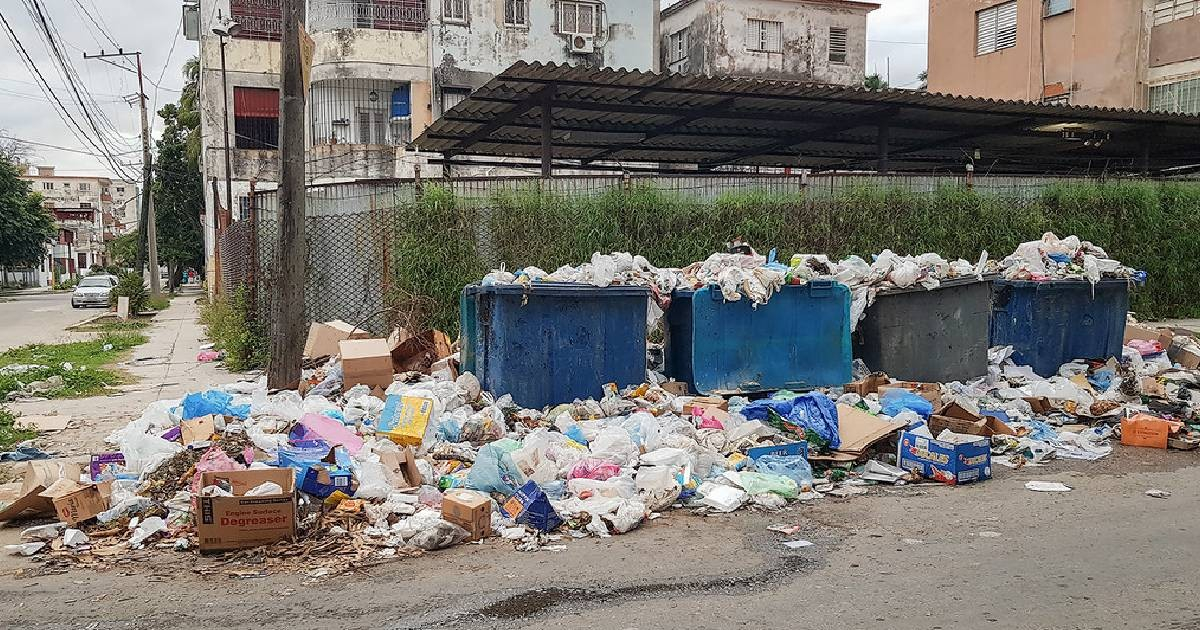
The lack of electricity disrupts water pumping, hampers food preservation, and complicates sanitation in hospitals and homes. Experts and citizens link these issues to the rise in infectious diseases.
The Pattern of Official Denial
This official denial mirrors the response to the 2025 dengue and chikungunya epidemic, when the government delayed formal acknowledgment for months, despite initial diagnoses in July and a surge in infections by September and October.
In Matanzas, the most severe outbreak, authorities confirmed 18 active hepatitis A cases in the Versalles neighborhood on May 4, with additional cases in Cárdenas and most municipalities in the province.
Reports from Camagüey
In Camagüey, residents and alleged health workers reported on social media about 30 to 40 positive cases daily in April. However, local authorities acknowledged only a "notable increase" without formally declaring an outbreak.
Infrastructure Collapse as a Root Cause
The primary cause of these infections is the collapse of the water and sanitation infrastructure. Over 300,000 residents of Matanzas lack a stable water supply. Informal wells have surged from twenty to over forty between October 2025 and March 2026, many dug dangerously close to septic tanks. In February 2025, fecal contamination by coliforms was detected in the Bello water source.
The director of the Matanzas Provincial Hygiene Center admitted that "not everyone can boil water, either because they don't have gas or must use charcoal."
Broader Health Crisis
Beyond hepatitis A, Deputy Minister Guerra acknowledged an extremely grave health situation. It is "very difficult to open the surgical waiting list without the necessary resources and materials," with over 96,000 patients awaiting operations, including more than 11,000 children.
This figure was reported in March by Health Minister José Ángel Portal Miranda and hasn't been updated since.
Guerra also noted ongoing "shortages of medical supplies" and the inability to import sufficient quantities to meet demand, partly due to reduced flights and shipments entering the country.
The essential medicines list includes 651 items, with 250 imported and 401 produced domestically.
Dengue and Chikungunya Concerns
Regarding dengue and chikungunya, Havana has not updated the public on the case developments since last December, although they reported to the Pan American Health Organization that January saw 1,457 new chikungunya cases and two additional deaths, following 65 fatalities and 81,909 infections reported during the 2025 epidemic.
Deputy Minister Guerra stated that the government is now preparing for the summer to tackle potential arbovirus outbreaks, "especially dengue and any other mosquito-borne diseases," a warning that comes as the health system operates with merely 30% of the essential medicines available.
Frequently Asked Questions about Cuba's Health Crisis
What is the current health situation in Cuba?
Cuba is facing a "very complex" health situation due to an energy crisis that affects water supply, food preservation, and sanitation, leading to increased infectious diseases.
How is the government addressing potential dengue outbreaks?
The Cuban government is preparing for the summer to address potential arbovirus outbreaks, focusing on dengue and other mosquito-borne diseases.
What are the main causes of the health crisis in Cuba?
The health crisis is mainly caused by the collapse of water and sanitation infrastructure and shortages of medical supplies, exacerbated by the ongoing energy crisis.