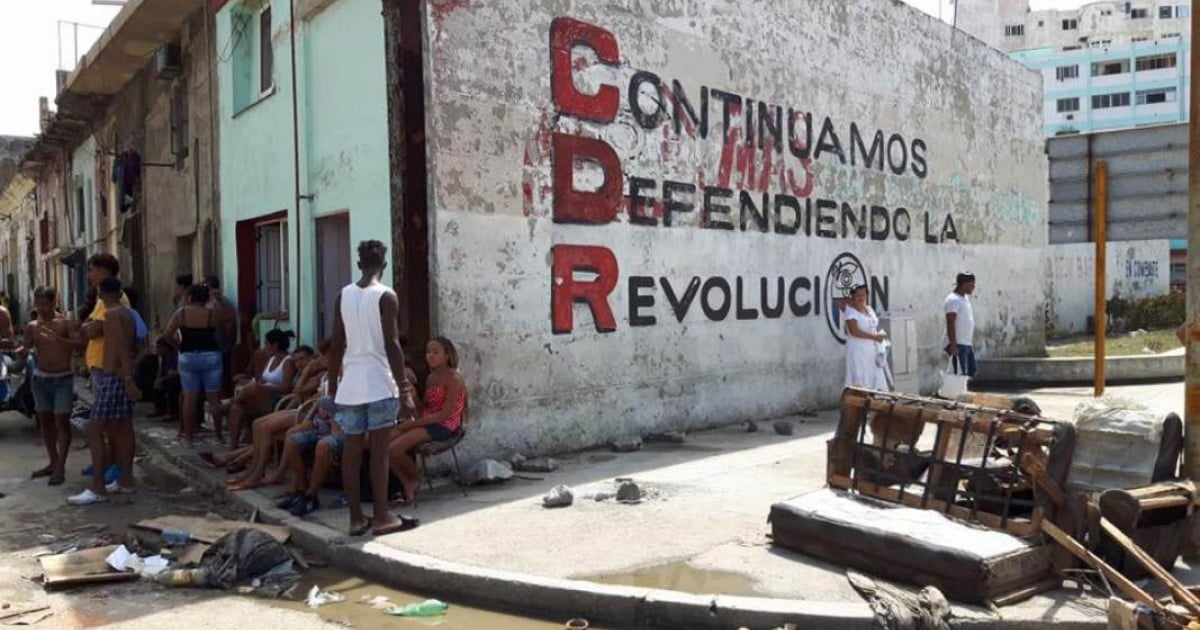
According to the 2025 National Food Security Survey conducted by the Food Monitor Program (FMP), more than 80% of households in provinces like Granma, Matanzas, Pinar del Río, and Sancti Spíritus have reported food spoilage due to persistent power outages.
This survey, which gathered 2,513 valid responses between May and July 2025 across the 16 Cuban provinces, reveals that 80.39% of respondents stated their ability to cook was hindered by power cuts over the past six months. This marks an increase of nearly ten percentage points compared to the previous year.
The reliance on electricity (54.6%) and bottled gas (24.11%) for cooking is widespread among Cuban households. However, both these resources are critically scarce on the island.
With the simultaneous lack of electricity and liquefied gas—which many households had not received for months—Cuban families resorted to makeshift solutions: 35% turned to wood or charcoal, 25% consumed cold meals, 17% relied on relatives or neighbors, and 6% were unable to eat.
The absence of electricity has also severely disrupted the cold chain.
Nearly half of those surveyed, 47.59%, reported that their refrigerated food spoiled due to prolonged blackouts. In four provinces, this figure significantly exceeds the national average.
This energy crisis is part of a broader structural collapse of Cuba's electrical system.
In 2025, the country experienced a generation shortfall exceeding 2,000 MW, with power outages lasting up to 24 hours daily in rural areas and at least five total nationwide blackouts.
Simultaneously, the shortage of liquefied gas became chronic: over 100,000 households in Matanzas have been without regular supply since January 2025, and in Granma, gas sales were halted due to depletion at the Santiago de Cuba plant.
The survey data also highlights the direct impact on nutrition: 33.9% of households reported at least one member went to bed hungry at least once in the past 30 days, compared to 24.6% in 2024, according to the full report available online.
A previous FMP survey indicated that one in three families in Cuba experiences hunger, worsening the situation described by the World Food Program, which estimates that 36% of Cubans face food insecurity.
The FMP warns that "energy for cooking is a fundamental condition of food security" and without stable access to it, not only cooking but also preservation, family planning, and health protection become impossible.
The organization further notes that as of 2026, the situation is "much more alarming" than it was in 2025.
Impact of Power Outages on Food Security in Cuba
How have power outages affected food security in Cuban households?
Power outages have led to significant food spoilage in over 80% of Cuban households, severely impacting their ability to preserve and cook food.
What alternative methods are Cuban families using for cooking?
Due to the lack of electricity and gas, Cuban families have resorted to using wood or charcoal, eating cold meals, or relying on relatives or neighbors for food.
What is the current state of energy resources in Cuba?
Cuba is facing a severe energy crisis with a significant shortfall in electrical generation and chronic shortages of liquefied gas, impacting daily life and food security.