Sherritt International Corporation has turned to the Canadian courts in an effort to maintain its corporate framework, highlighting the significant impact of the Trump administration's sanctions on the mining company, which has been closely linked to the Cuban regime for the past three decades.
This Monday, the company will file a request with the Ontario Superior Court of Justice to secure two judicial orders: one to allow its reduced board of directors to continue operations with a quorum despite vacancies, and another to extend the deadline for holding its annual shareholders' meeting to no later than September 30, 2026. The hearing is scheduled for Thursday, May 14.
The governance crisis erupted on Wednesday when three board members—Chairman Brian Imrie, Richard Moat, and Brett Richards—resigned with immediate effect, just hours after the company announced it was halting its direct involvement in all joint ventures in Cuba and beginning to repatriate its employees from the island.
The catalyst was Executive Order 14404, signed by Donald Trump on May 1, which expands sanctions against Cuba and introduces secondary sanctions against foreign financial institutions dealing with blocked Cuban entities.
While Sherritt clarified it was not formally designated under this order, it acknowledged that its issuance "materially alters the corporation's ability to operate normally."
On May 6, Secretary of State Marco Rubio designated GAESA, its executive president Ania Guillermina Lastres Morera, and Moa Nickel S.A.—the joint venture between Sherritt and the Cuban state—under the executive order, accusing the latter of "exploiting Cuba's natural resources to benefit the regime at the expense of the Cuban people."
Rubio also warned that "additional sanctions are expected in the coming days and weeks," signaling that the pressure on the regime has not yet peaked.
The Impact on the Cuban Regime
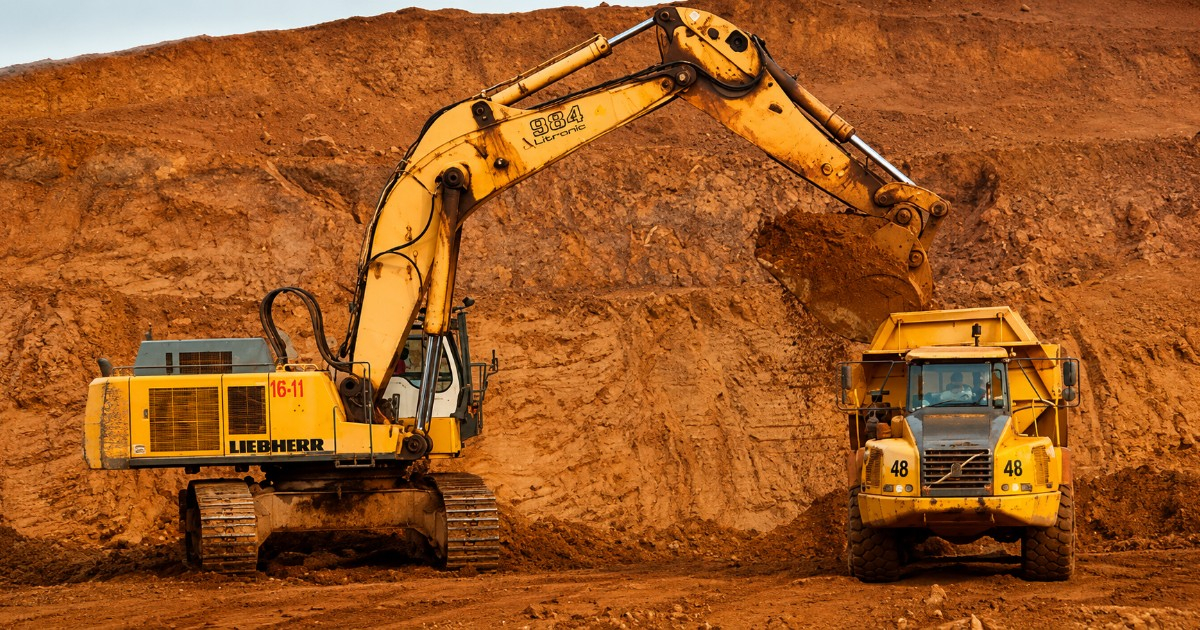
Sherritt's exit leaves the regime without its largest direct foreign investor since the early 1990s, with production at the Moa mine reaching 25,240 tons of nickel and 2,728 tons of cobalt in 2025, valued at approximately $490 million in gross annual revenue.
Additionally, the company was involved in electricity generation through Energas S.A., with an installed capacity of about 506 megawatts, equating to 10-15% of Cuba's national electrical capacity, in a country already experiencing blackouts affecting over 55% of its territory.
To compound matters, the Cuban state owes Sherritt at least $344 million.
In February, Sherritt had already suspended nickel and cobalt production in Moa due to a lack of fuel reported by Cuban authorities, amid an energy crisis worsened by over 240 sanctions imposed by the Trump administration since January 2026, which have reduced the island's energy imports by 80-90%.
The release of the first quarter 2026 results, originally scheduled for tomorrow, has been postponed to Thursday, May 15, and will be conducted without a press conference or online broadcast.
The Fort Saskatchewan refinery in Alberta continues to operate with the available raw material inventory, expected to last until mid-June 2026, by which time Sherritt must make definitive decisions regarding its future operations.
Understanding the Broader Impact of Sanctions on Cuba
What is Executive Order 14404?
Executive Order 14404, signed by Donald Trump, expands sanctions against Cuba and imposes secondary sanctions on foreign financial institutions that engage with blocked Cuban entities.
How has Sherritt been affected by these sanctions?
Sherritt has been significantly impacted, with resignations from its board and a halt in its Cuban operations, as well as a need to seek court orders to continue functioning.
What role did Sherritt play in Cuba's economy?
Sherritt was Cuba's largest direct foreign investor, producing significant amounts of nickel and cobalt, and was involved in electricity generation through Energas S.A.