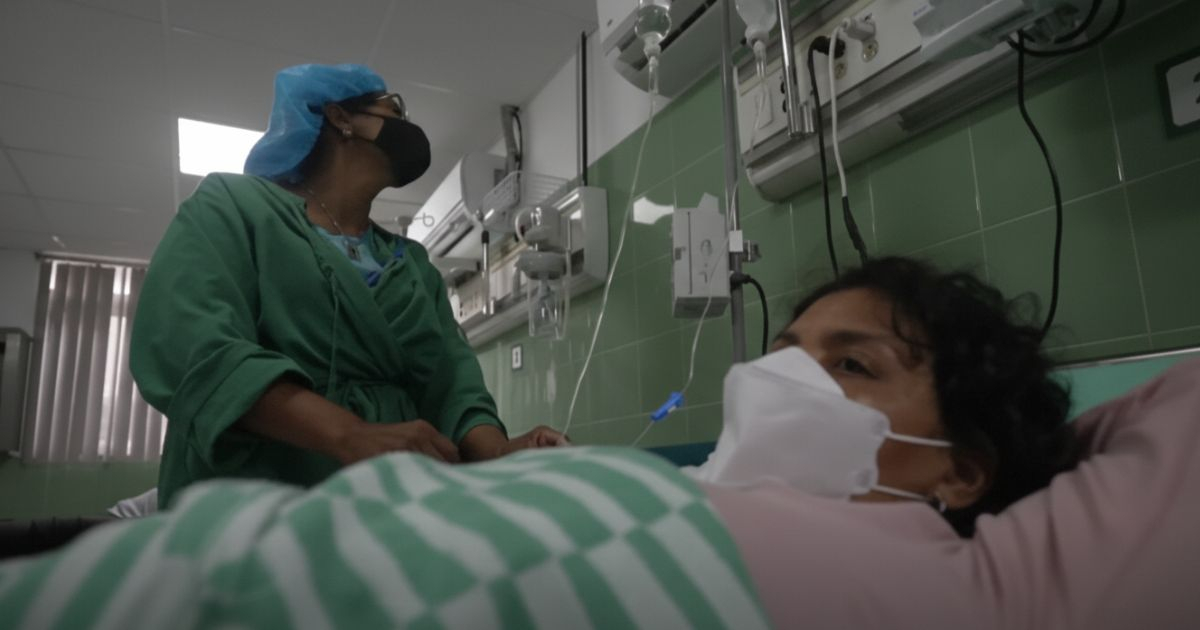
An anonymous doctor from the Julio M. Aristegui Villamil Teaching General Hospital in Cárdenas, Matanzas, recently posted a compelling critique on the Facebook group "Cardenenses en Facebook," highlighting the collapse of Cuba's healthcare system. This doctor outlined three major daily challenges faced by patients at the facility.
The physician, who chose to remain anonymous for "obvious reasons," reported that patients must bring their own medical supplies from the moment they arrive at the emergency room. This includes syringes, catheters, Levin tubes, aerosol mouthpieces, IV sets, and even the blood needed for transfusions.
Oncological Patients Face Dire Shortages
The second point in the complaint focused on cancer patients. Thousands of individuals are waiting for surgeries that cannot proceed due to the lack of muscle relaxants, alcohol, and anesthetics, even when patients have managed to acquire gloves, sutures, meshes, and dressings on their own.
Diagnostic Limitations Expose System Failings
The third issue highlighted the inability to reach accurate diagnoses. The hospital is unable to perform essential procedures such as CT scans, MRIs, colonoscopies, endoscopies, Doppler ultrasounds, and numerous blood tests, leaving patients "poorly assessed."
Summarizing the situation, the doctor stated, "The notion of free healthcare is a myth. True, there is no charge, but the care is substandard, and even with money, necessary services are inaccessible." The doctor admitted to posting the complaint out of sheer frustration.
In the comments, another user, also identifying as a doctor at the same hospital, succinctly remarked, "I am a doctor in that hospital, and the disappointment is immense."
Ana Zayas, claiming to be directly affected by the center’s shortcomings, commented, "There is a significant lack of humanity and respect for patients," adding that the hospital "has nothing to offer the population."
Susy Mederos contributed an additional perspective, noting, "Some people donate medications, only for them to be stolen and resold on the street," pointing to internal corruption as another factor worsening the crisis.
Historical Context of the Cárdenas Hospital's Failures
The Cárdenas Hospital has a recent history of documented complaints. In October 2025, Dr. Miguel Alejandro Guerra Domínguez reported that basic tests were not being conducted on dengue patients, despite provincial authorities denying these claims. By January 2025, the hospital went 15 days without a functional elevator, forcing the manual transport of patients on stretchers up and down stairs. In April 2026, a nurse who had returned from retirement due to staff shortages died.
This complaint is part of a broader healthcare crisis of unprecedented scale. As of February 2026, the Health Minister, José Ángel Portal Miranda, acknowledged the system was "on the brink of collapse." The United Nations declared a humanitarian emergency in April 2026, noting over 96,000 postponed surgeries—including 11,000 pediatric—and 32,000 pregnant women at risk, with a $94.1 million response plan to aid two million people across eight provinces.
Economic Strain and Brain Drain
The mass exodus of professionals compounds the situation: Cuban doctors earn between 7,000 and 10,000 Cuban pesos monthly—approximately $16 to $20—far below the basic living costs. This month, a Cuban doctor publicly resigned as her salary of 6,562 pesos was insufficient for living expenses.
According to July 2025 data, the Ministry of Public Health covers only 30% of the basic medication supplies, forcing facilities like Cárdenas to rely heavily on international charity. Belgian-Portuguese citizen Adriano Solidaire has sent at least ten donations to the hospital, including a full container of medical equipment in November 2024.
Frequently Asked Questions About Cuba's Healthcare Crisis
What are the main issues facing Cuba's healthcare system?
The healthcare system in Cuba faces severe shortages of medical supplies, inability to perform diagnostic procedures, and a lack of essential medications and equipment, exacerbated by internal corruption and economic constraints.
How do patients cope with the lack of medical supplies in Cuba?
Patients are often required to bring their own medical supplies, such as syringes and catheters, and even secure their own blood for transfusions, to receive treatment in Cuban healthcare facilities.
What steps are being taken to address the healthcare crisis in Cuba?
Efforts include international humanitarian aid, such as a $94.1 million plan from the United Nations, aimed at assisting millions in need across Cuba's provinces.