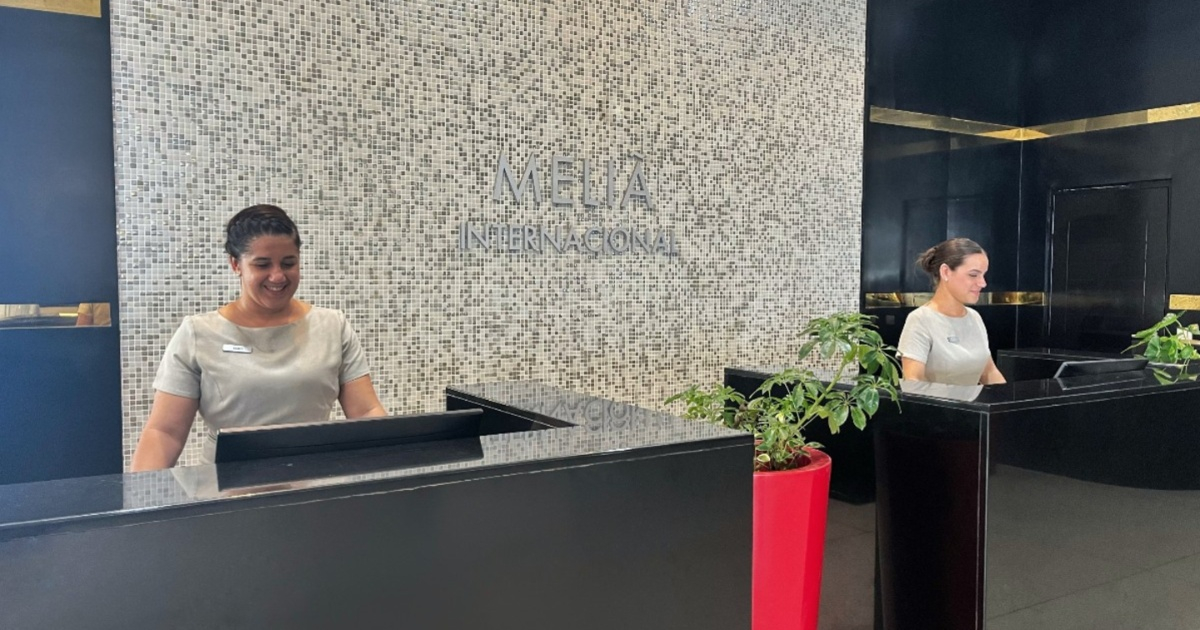
During the closure of FitCuba 2026, hotel managers in the tourist hub of Varadero announced that they are actively keeping in touch with and addressing the needs of employees sent home due to the severe drop in hotel occupancy across Cuba, as reported by the state-run Canal Caribe on Saturday.
The statements starkly contrast with the scale of the crisis. At Paradisus Varadero, more than half of the 886 employees are currently without active employment.
In the Gran Astro hotel, over 300 workers are in a state of "interruption," with some reassigned to other roles while others remain at home.
A hotel official from Gran Astro expressed, "Our occupancy has plummeted to an unprecedented level, leaving over 300 workers at home, interrupted, or temporarily reassigned, far from their families at Gran Astro."
The Paradisus Varadero manager detailed their outreach efforts: "We have scheduled meetings specifically in Matanzas and Cárdenas with those who are interrupted, unable to work, but we visit them to assess their needs. We provide sales points, prepare packages, and address any extraordinary needs. This director and the entire hotel are committed to supporting these workers, who are our priority."
This official narrative of caring for "human capital" surfaces amid the worst tourism downturn in Cuba in over twenty years. The tourism collapse has left approximately 300,000 people in the sector jobless, without income or access to basic food supplies.
In the first quarter of 2026, Cuba welcomed a mere 298,057 international visitors, a sharp 48% decline compared to the same period in 2025. Hotel occupancy in Varadero and Havana hovers around 20-21%, with over 80% of rooms unoccupied.
This downturn accelerated after the regime's "hotel compacting" strategy implemented on February 7, shutting down low-occupancy facilities to save energy. The Gaviota Group closed 20 hotels in Cayo Santa María in February, abruptly leaving more than 7,000 workers without financial support.
The government even suggested relocating tourism workers to garbage collection or agricultural tasks, sparking widespread outrage. In a desperate attempt, Varadero hotels offered up to 30% discounts to attract visitors, but these efforts failed to reverse the decline.
Amid this turmoil, Cuba launched the FitCuba 2026 international tourism fair in a hybrid format from May 7 to 9 at the Josone Park in Varadero, with participation from over 1,000 professionals from numerous countries.
Tourism Minister Juan Carlos García Granda concluded the event, describing it as "a platform of opportunities" where "border-transcending alliances" were forged, even as hotel executives admitted on camera that more than half of their workforce remains at home without work.
Understanding the Tourism Crisis in Cuba
What caused the drop in tourism in Cuba in 2026?
The decline in tourism was primarily due to the implementation of the "hotel compacting" strategy, which closed low-occupancy facilities to save energy, and the broader economic challenges facing Cuba.
How are hotels in Varadero addressing the worker crisis?
Hotel managers claim to maintain contact with employees, assess their needs, and provide support such as sales points and prepared packages, although many workers remain without employment.
What actions were taken by the Cuban government during the tourism collapse?
The government proposed reassigning tourism workers to other sectors like garbage collection or agriculture, which faced public backlash. Additionally, they encouraged hotels to offer discounts to attract tourists.