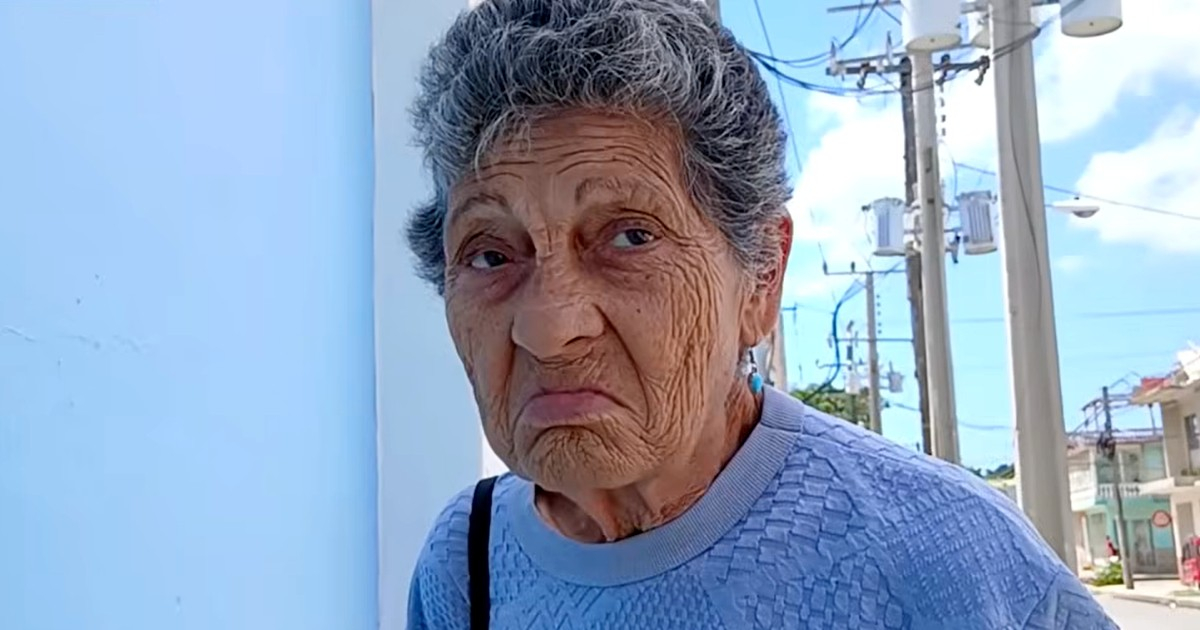
A report by Diario de Cuba highlights the harsh reality faced by Cuban retirees, whose pensions scarcely last beyond a week. "That money, once it lands in my hands, is gone in five, six, seven, or eight days," one interviewee lamented.
The scene is all too familiar on the streets of the island. Elderly individuals wander, beg, or collect recyclables just to make ends meet. "I see them around, wandering, begging, doing whatever they must because otherwise, they wouldn't survive," another testimony in the report described.
The gap between what retirees receive and the cost of living is staggering. A croquette costs 150 pesos, a loaf of bread 140 pesos, and heading out with 2,000 pesos means returning home empty-handed. "You walk out with two thousand pesos, and come back without a dime," one retiree stated. "Who can live like this? It's impossible."
The Hollow Promise of Increased Pensions
In August 2025, the Cuban regime approved Resolution 14/2025, which raised the minimum pension to 4,000 pesos for those previously earning less, impacting around 430,000 pensioners. However, this increase was swiftly eroded by inflation and the peso's devaluation.
By September 2025, these 4,000 pesos were worth less than 10 dollars on the informal exchange market, and by the end of the year, they had dropped to about seven dollars—a nearly 30% loss in purchasing power in just four months.
Struggling Against Inflation and Rising Costs
Official food inflation reached a year-on-year rate of 16.65% by March 2026, while independent economists estimated the real inflation rate to be about 70% in 2025.
In Havana, the basic living expenses are estimated at 12,000 pesos per person monthly, three times the adjusted minimum pension. A 2025 survey by the Independent Union Association of Cuba, involving 506 retirees across five provinces, revealed that 99% claimed their pension failed to cover basic needs like food, housing, and medication.
Retirees Forced Back to Work
Alarmingly, 90.7% of surveyed retirees continue to work post-retirement, primarily in the informal economy, with 97.8% seeking additional income to survive. Previously, 39% of Cuban retirees subsisted on minimum pensions of 1,528 pesos per month, a figure already insufficient.
Healthcare System Collapse Exacerbates Issues
The collapse of the healthcare system further compounds the problem. A retiree noted in the report that Prevenor, a medication once costing six pesos at pharmacies, is now virtually impossible to find, with its price soaring. Inflation and the surging dollar continue to erode pensions with each passing month.
Retirees themselves call for state intervention that never materializes. "The elderly deserve more lenient policies. We can hardly afford anything," one interviewee pleaded. Another added, "I live right there, and no one ever comes to check how I'm doing."
This dire situation is not new. In March 2024, an elderly man fainted while waiting in line to collect his pension in Santiago de Cuba, succumbing to hypoglycemia under the sun—a poignant image of the extreme hardship faced by the elderly on the island.
"We lack both attention and care," concluded one retiree interviewed by Diario de Cuba, encapsulating the systemic neglect imposed by the regime on those who dedicated their lives to working in Cuba.
Cuban Retirement Challenges
How much does the minimum pension in Cuba amount to?
The minimum pension in Cuba was raised to 4,000 pesos in August 2025.
Why do Cuban retirees struggle financially?
Cuban retirees struggle financially due to the high cost of living, rampant inflation, and the devaluation of the peso, which quickly erodes their purchasing power.
How does inflation affect Cuban pensions?
Inflation drastically reduces the real value of Cuban pensions, making it difficult for retirees to afford basic necessities.