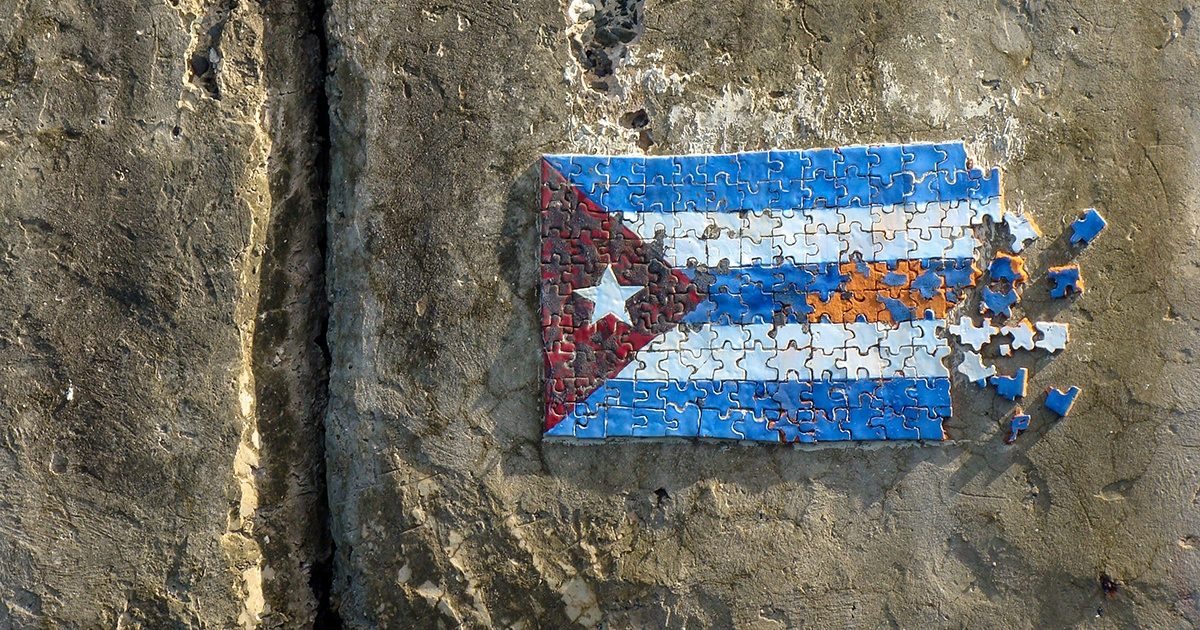
A staggering 80.1% of Cubans are in favor of transitioning the island towards a capitalist model characterized by liberal democracy and a market-driven economy. This was revealed by the conclusive results of an extensive public opinion survey, which concluded on May 1 with an impressive 41,658 responses, marking the most significant collective effort to gauge Cuban public opinion to date.
The survey was initiated on April 24 by a coalition of over 20 independent Cuban digital media outlets, including El Toque, CiberCuba, El Estornudo, and Rialta, via the website encuestascuba.net.
Of the respondents, 58% participated from within Cuba—totaling 24,211 individuals—while the remaining 42% responded from abroad, identified through anonymous geolocation.
Strong Support for Political Transformation
The data regarding political preferences is striking: combining those who support a market liberal democracy (80.1%) and those who favor a mixed system (10.6%), over 91% advocate for some form of profound structural change. In stark contrast, a mere 0.2% believe that socialism is the appropriate model and should remain unchanged.
The disapproval of the current system is pervasive across all measured dimensions. An overwhelming 99% of respondents voiced support for abolishing the Communist Party's monopoly, 94% expressed being "very dissatisfied" with the government, and 95% noted that citizens have no influence over the regime's decisions.
Leadership and Governance Ratings
Miguel Díaz-Canel received a dismal average rating of 1.11 out of five, with 93.7% of participants giving him the lowest possible score. When asked about favorable government figures, the most common response was: "None are worth anything."
Key issues identified by respondents include the lack of civil and political freedoms (82.2%), governmental inefficiency and stagnation (74.8%), and the economic crisis and scarcity of essential goods (52.7%).
Reevaluating U.S. Sanctions
An especially noteworthy finding redefines the discussion about U.S. sanctions: only 4.7% identified the embargo as the primary issue facing the country, while 46.6% support it as a pressure mechanism for democratic change.
Among international figures with favorable ratings, respondents most frequently mentioned María Corina Machado, Javier Milei, and Nayib Bukele. Within Cuban opposition figures, Amelia Calzadilla and Eliecer Ávila were highlighted.
Government's Reaction
The regime reacted with two simultaneous actions: it blocked access to the survey from within the island during the data collection period and published an article on April 28 in the official newspaper Juventud Rebelde titled "The Survey, AI, and Manipulation," accusing the participating media of being "funded by the State Department" and using algorithms manipulatively.
These survey results are not an isolated occurrence. Independent pollster CubaData had already documented in May 2024 that only 3% of Cubans identified as staunch socialists, and 85.9% desired a shift towards a more open model, figures that the 2026 survey confirms and expands upon with an unprecedented sample size.
The website encuestascuba.net announced that the complete final report will be released soon: "The survey on political and social perspectives in Cuba has concluded. Aggregated and anonymous results. We will publish the report shortly."
Understanding Cuban Opinion on Political Change
What percentage of Cubans support a capitalist model?
80.1% of Cubans support transitioning to a capitalist model with a liberal democracy and market economy.
How did the Cuban government respond to the survey?
The regime blocked access to the survey from within the island and published an article accusing the survey of manipulation and foreign funding.
Who are some of the figures with favorable ratings among Cubans?
Internationally, María Corina Machado, Javier Milei, and Nayib Bukele received favorable mentions. Among Cuban opposition figures, Amelia Calzadilla and Eliecer Ávila were noted.