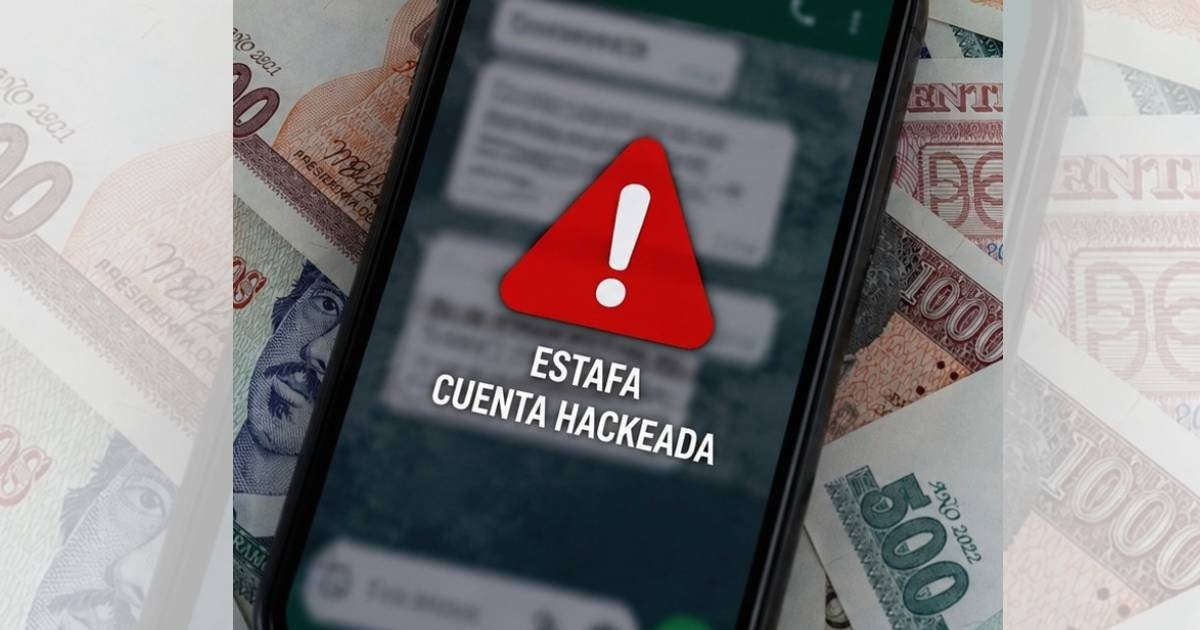
A Cuban woman has reported losing 70,000 pesos after transferring the funds to a WhatsApp account controlled by scammers. These criminals hijacked one of her contacts, offering cash in a scheme that is becoming increasingly common across the island.
In a statement to CiberCuba, the victim explained her urgent need to withdraw cash from her bank account—a challenging task due to Cuba's ongoing liquidity crisis—and she viewed the offer as a genuine opportunity because it appeared to come from a trusted acquaintance.
"I had 70,000 pesos in my account and needed to withdraw them, so I agreed to transfer the funds in exchange for cash. I must stress, this was someone I knew from my contacts. What I didn't know was that their WhatsApp had been hacked," the victim recounted.
“I sent the 70,000 pesos and waited for hours for the person to arrive at my house with the cash, but they never showed up,” she added.
How the Scam Operates
The method is not technically advanced: scammers persuade a WhatsApp account holder to share the six-digit verification code sent via SMS. This allows them to register the account on another device, impersonating the contact to all their acquaintances.
Cash Shortages Fuel the Fraud
The shortage of physical currency creates an ideal environment for such scams. ATMs are often empty or out of order, bank lines can stretch for hours, and withdrawal limits are tight, fostering an informal market where commissions for cash can range from 5% to 30%.
Victims Face Bureaucratic Hurdles
When attempting to report the crime, the victim encountered another barrier: her mother tried to file a report in their province, but police insisted it must be done where the victim was, in a different province.
"I wonder how many more people have been scammed through WhatsApp? The police do nothing and never catch the culprits. The cards they use are real, as are the phone numbers. So why can't they find those responsible?" she questioned.
Widespread Impact and Inaction
The post unleashed a flood of accounts from other digital scam victims in Cuba. Damary Jorge Fonseca reported losing 86,000 pesos and waiting months for an answer. Iris Gálvez shared that her brother's account was taken over, resulting in an 80,000 pesos scam. Vermaidis Gamboa Matos said she lost 200 MLC over a year ago through a scam impersonating her uncle, "and the police did nothing."
The institutional response is consistent: police don't investigate, banks can't release information without an official order, and ETECSA remains inactive, creating a bureaucratic loop that ensures impunity. Vivian González Medina summarized: "The bank has all the details of the card to which I transferred the money, but they can't share it without a police order. It's all for nothing."
Yuduslidia Garriga described filing a report on February 21 with Jimaguayú's PNR in Camagüey and still being told months later that ETECSA's analysis is pending. Amelia Fernández mentioned that a bank manager told her father, a victim of the same scam, "nobody told him to make the transfer, that's not their problem."
In April, the Banco de Crédito y Comercio (Bandec) in Matanzas issued a public alert about the rise of these scams in collaboration with the PNR, but the accumulating testimonies show that warnings have not translated into action. A survey conducted in Las Tunas that same month revealed that 84% of participants knew someone who had been affected by digital scams or had experienced it themselves.
Lázaro Linares, one of the commenters, pointed out the central contradiction: "The cards aren't from a foreign bank; they're from a Cuban bank where the government has complete control. We have to wait until someone decides to scam the state for action to be taken."
Understanding WhatsApp Scams in Cuba
What is the common method used in WhatsApp scams in Cuba?
Scammers typically convince a WhatsApp account holder to provide their six-digit verification code, allowing the scammer to hijack the account and impersonate the contact to their acquaintances.
Why is the cash shortage in Cuba affecting the rise of these scams?
Due to the cash shortages, ATMs are often empty, bank lines are long, and withdrawal limits are strict. This has led to a black market where obtaining cash incurs high commission fees, creating a favorable environment for scammers.
How do victims of these scams face challenges in reporting?
Victims encounter bureaucratic obstacles, such as being required to report the crime in a specific location, while police and financial institutions fail to take effective action, leading to a cycle of impunity.