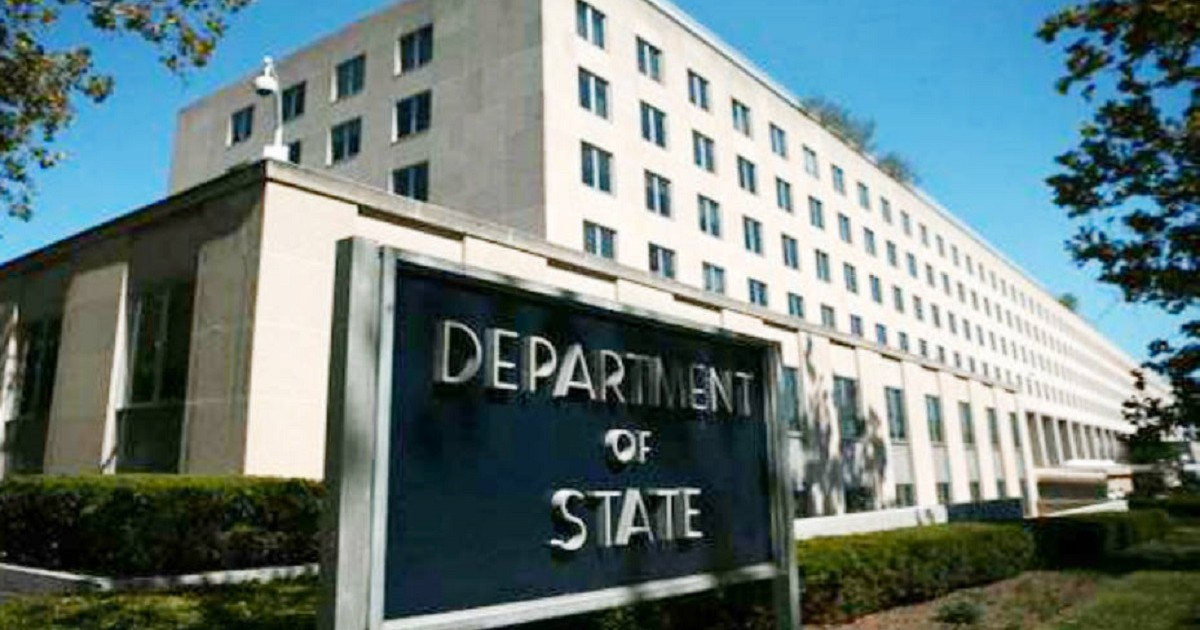
The U.S. Department of State announced new sanctions against GAESA, a Cuban military conglomerate, on Thursday, giving foreign businesses and financial institutions until June 5, 2026, to terminate their dealings with the group or face secondary sanctions.
Secretary of State Marco Rubio issued these designations under Executive Order 14404, signed by former President Donald Trump on May 1. Rubio also hinted that additional actions against the Cuban regime might be unveiled in the upcoming days and weeks.
The Office of Foreign Assets Control (OFAC) clarified in a newly released FAQ that the U.S. government does not intend to penalize foreign individuals or financial institutions for routine settlements with GAESA or entities in which GAESA holds a 50% or greater interest, provided these transactions are concluded by the June 5 deadline.
However, after this date, any ongoing operations with GAESA or its subsidiaries could subject foreign entities to secondary sanctions. OFAC further warned that efforts to return assets to a sanctioned entity or transfer them to another jurisdiction for potential use by such an entity could expose non-U.S. persons to “a significant risk of sanctions,” even before the grace period ends.
Implications for Key Figures and Entities
In addition to targeting GAESA, Rubio imposed sanctions on Ania Guillermina Lastres Morera, GAESA’s executive president and a brigadier general in the Revolutionary Armed Forces, as well as Moa Nickel S.A. (MNSA), a joint venture between Canada's Sherritt International Corporation and Cuba’s state-owned General Nickel Company.
The Department of State described GAESA as “the heart of Cuba’s kleptocratic communist system,” asserting it controls around 40% of the island’s economy. According to U.S. officials, the conglomerate's revenues “likely triple the state budget,” with up to $20 billion in illicit assets allegedly funneled into hidden overseas accounts.
Immediate Repercussions and Energy Crisis
Sherritt International reacted swiftly, announcing the suspension of all direct operations in Cuba and beginning the repatriation of its expatriate staff. The company cited the executive order as making it “materially impossible” to continue normal operations on the island.
This development represents another blow to Cuba’s already struggling energy sector. The Canadian company contributes between 10% and 15% of the nation’s independent power generation capacity amidst a crisis marked by blackouts affecting over 55% of the territory for up to 25 hours a day.
U.S. Jurisdiction and Broader Sanctions Framework
Individuals under U.S. jurisdiction are not afforded the grace period, as they have been prohibited from engaging with GAESA since December 21, 2020, when the conglomerate was added to the Specially Designated Nationals and Blocked Persons List (SDN).
Executive Order 14404 also establishes a new sanctions program under the International Emergency Economic Powers Act, separate from the Cuban Assets Control Regulations, and extends the framework established by Trump on May 1 to include secondary sanctions against foreign individuals and financial entities dealing with the regime.
Since January 2026, the Trump administration has enforced over 240 sanctions against the Cuban regime and intercepted at least seven oil tankers, reducing the island’s energy imports by 80% to 90%, according to official U.S. figures.
The Department of State concluded its statement with a warning that also leaves room for change: “The ultimate goal of the sanctions is not to punish, but to foster a positive change in behavior.”
FAQs on U.S. Sanctions Against GAESA
What is the deadline set by the U.S. for foreign companies to cease operations with GAESA?
Foreign companies have until June 5, 2026, to terminate operations with GAESA to avoid secondary sanctions.
What are the potential consequences for foreign entities that continue dealings with GAESA after the deadline?
Foreign entities risk facing secondary sanctions if they continue operations with GAESA or its subsidiaries beyond the deadline.
Who else has been targeted by the new sanctions alongside GAESA?
The sanctions also target Ania Guillermina Lastres Morera, executive president of GAESA, and Moa Nickel S.A. (MNSA), a joint venture involving Cuba and Canada.