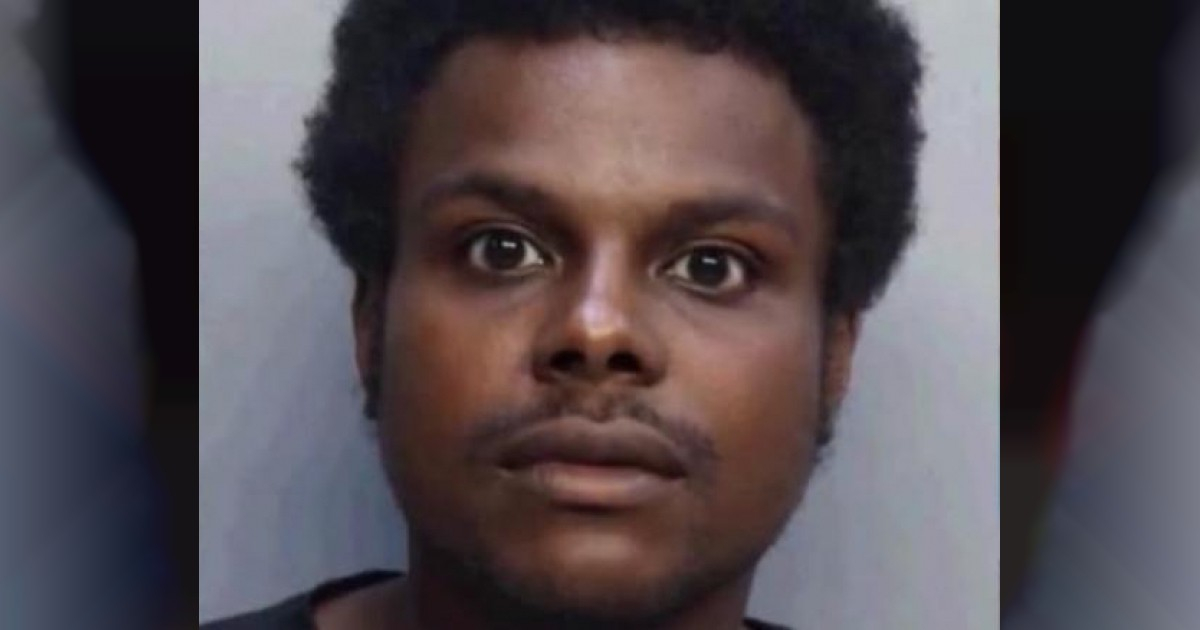
Nathaniel Sanders II, a 32-year-old resident of Miami Beach, has been hit with two federal charges for repeatedly posting death threats on social media aimed at President Donald Trump and other U.S. officials.
Court documents reveal that from at least January to April this year, Sanders II took to platforms like X and Instagram to issue numerous threats against Trump, Secretary of State Marco Rubio, and former Attorney General Pamela Bondi.
Local 10 reports that the Secret Service began monitoring Sanders on January 28, after he posted on X: "I'm going to bomb the White House, pedophile."
Escalating Threats on Social Media
Following this initial threat, Sanders intensified his rhetoric on Instagram with a series of videos in which he expressed vehement disdain for the three officials, repeatedly labeling them as "pedophiles."
On April 10, he posted a video stating: "All I have is a gun. It's the only thing I can use now."
Two minutes later, he issued a threat against Rubio, mixing English and Spanish: "I am not afraid of anyone... when I get my hands on him, I'm going to hurt him. It's that simple."
Legal Repercussions and Public Safety Concerns
On April 17, Sanders threatened to kill Trump "in the worst possible way," detailing his intentions. Two days later, he shared explicit threats against Bondi, concluding, "I'll kill them all, pedophiles. I don't care about anything."
Secret Service agents visited Sanders' apartment near 15th Terrace and West Avenue in South Beach to question him. Rather than showing remorse, he reiterated his accusations against the officials.
The federal criminal complaint against Sanders was filed on May 2 in the Southern District of Florida and was made public on Tuesday.
He faces charges of making threats against the President of the United States and transmitting threats in interstate commerce, each carrying a maximum sentence of up to five years in federal prison, for a combined total of up to 10 years.
Federal Authorities Respond
"Threats against public officials are not political speech. They are serious federal crimes that endanger public safety and the rule of law," stated U.S. Attorney Jason A. Reding Quiñones from the Southern District of Florida, in a Department of Justice release.
Michael Townsend, the Special Agent in Charge of the Miami Field Office of the Secret Service, emphasized, "Threatening the President of the United States is a federal crime, and we treat it with the seriousness it deserves in every case. No matter where the threat is made or what platform is used, our agents will identify it, investigate it, and work with our federal and local partners to bring charges when appropriate."
A Pattern of Legal Troubles
This isn't Sanders' first brush with the law. On March 28, he was arrested for criminal mischief at a vape shop in South Beach, where he caused approximately $7,000 in damages by destroying shelves.
The case is part of a broader pattern of federal arrests for threats against Trump administration officials. Just days earlier, another man was arrested at Trump National Doral after attacking a Secret Service agent.
Similar incidents have occurred across Florida. In January, a West Palm Beach resident was arrested for posting threats against Trump on social media, and in March 2025, another man in Fort Pierce faced similar charges.
The case is being investigated by the Miami Field Office of the Secret Service, with assistance from the Capitol Police, Diplomatic Security Service, and Miami Beach Police.
At the time of the public announcement of the charges, Sanders was held at the Federal Detention Center in downtown Miami.
FAQs on Federal Charges and Social Media Threats
What are the potential penalties for making threats against the President?
Making threats against the President of the United States is a serious federal crime, with each charge carrying a maximum penalty of up to five years in federal prison.
How does the Secret Service handle threats made on social media?
The Secret Service treats threats made on social media with utmost seriousness. They investigate such threats, regardless of the platform used, and work with federal and local partners to press charges when necessary.