On Tuesday, U.S. Secretary of Defense Pete Hegseth emphasized that the Freedom Project in the Strait of Hormuz is distinctly a "defensive" operation, independent from prior attacks on Iran. He assured that the existing ceasefire between the two nations remains intact.
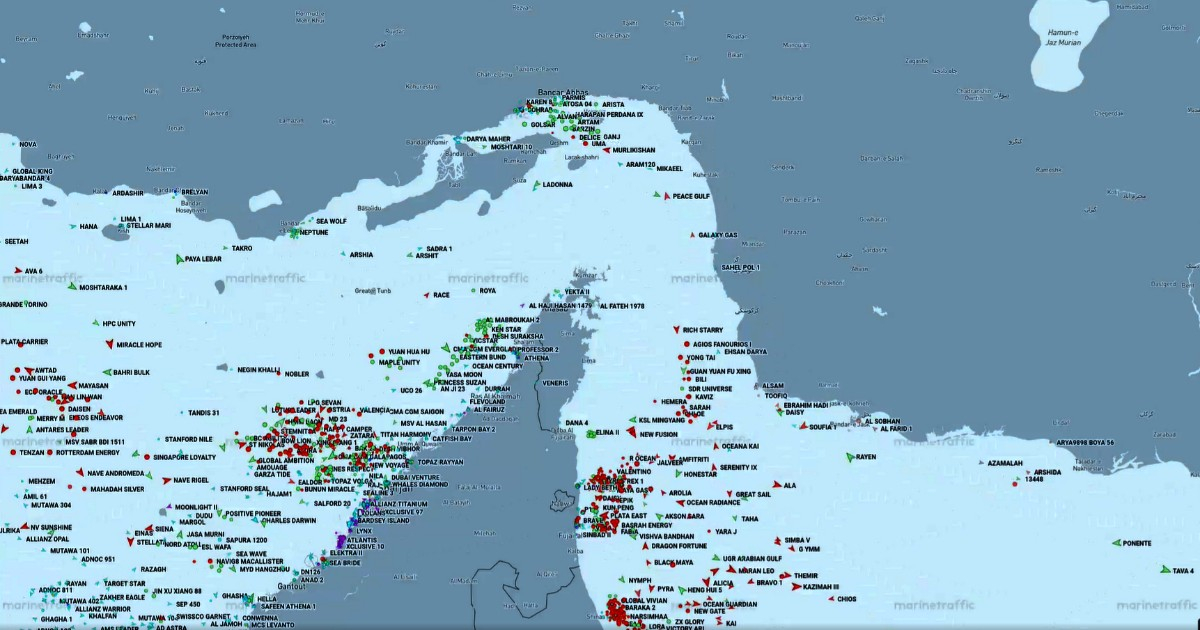
This statement was made during the first press briefing since the launch of the Freedom Project, a Trump-led initiative. The project involves the deployment of over 100 aircraft, destroyers, drones, and 15,000 military personnel under the command of the U.S. Central Command (CENTCOM) to escort approximately 1,550 ships stranded in the Persian Gulf since Iran closed the strait on March 4.
Mission Focus: Protecting Commercial Shipping
Hegseth clarified that the mission has "one single goal: to protect innocent commercial shipping from Iranian aggression," and noted that "U.S. forces will not need to enter Iranian waters or airspace" to achieve this objective.
"We do not seek confrontation. Nevertheless, Iran cannot be allowed to block innocent nations and their goods from accessing an international waterway," stated the Pentagon chief, describing the Iranian blockade as "an unacceptable form of international extortion."
Details on Recent Hostilities
Chairman of the Joint Chiefs of Staff Dan Caine provided specific figures on the rising tensions: since the ceasefire announcement, Iran has fired at commercial vessels on nine occasions, seized two container ships, and attacked U.S. forces more than ten times.
However, Caine clarified that these incidents have remained "below the threshold that would justify resuming large-scale combat operations."
Incidents in the Strait
The previous day, the destroyers USS Truxtun and USS Mason navigated the strait under a sustained Iranian barrage of missiles, drones, and fast boats, emerging unscathed; the U.S. managed to destroy six boats belonging to the Revolutionary Guards in the process.
Tehran, in contrast, accused Washington of "violating the ceasefire" with the Freedom Project and endangering security in the strait. Ebrahim Azizi, head of Iran's National Security Commission, cautioned that "any U.S. interference in the new maritime regime of the Strait of Hormuz will be considered a breach of the ceasefire."
Economic and Diplomatic Implications
The ceasefire was established on April 8, mediated by Pakistan, following Operation Epic Fury launched by the U.S. and Israel against Iranian nuclear and military facilities on February 28. Since then, the blockade of the strait has skyrocketed the price of Brent crude from $67 to over $126 per barrel, disrupting the transit of 20% of the world's oil.
Peace talks remain stalled: Iran submitted a 14-point plan via Pakistan on May 1, proposing a 15-year pause in uranium enrichment, while the U.S. demands a complete dismantling of the nuclear program and a 20-year moratorium.
Hegseth warned that the Freedom Project is a temporary measure and sent a clear message to the international community: "The world needs this waterway far more than we do. We will soon return control of the situation to you."
Caine, meanwhile, issued a stark warning: "No adversary should mistake our current restraint for a lack of resolve."
Understanding the U.S. Operation in the Strait of Hormuz
What is the main goal of the U.S. Freedom Project in the Strait of Hormuz?
The primary aim of the Freedom Project is to protect innocent commercial shipping from Iranian aggression without entering Iranian waters or airspace.
How has Iran responded to the U.S. operation in the Strait of Hormuz?
Iran has accused the United States of violating the ceasefire and endangering security in the strait, considering any U.S. interference as a breach of the ceasefire.
What impact has the blockade of the Strait of Hormuz had on oil prices?
The blockade has significantly increased the price of Brent crude, raising it from $67 to over $126 per barrel, affecting the transit of 20% of the world's oil.