The administration of President Donald Trump has lifted the freeze on immigration processes for healthcare professionals from 39 countries, including Venezuela. This decision, effective Monday, allows for the renewal of visas and work permits that had been stalled since January 2026, according to Univision.
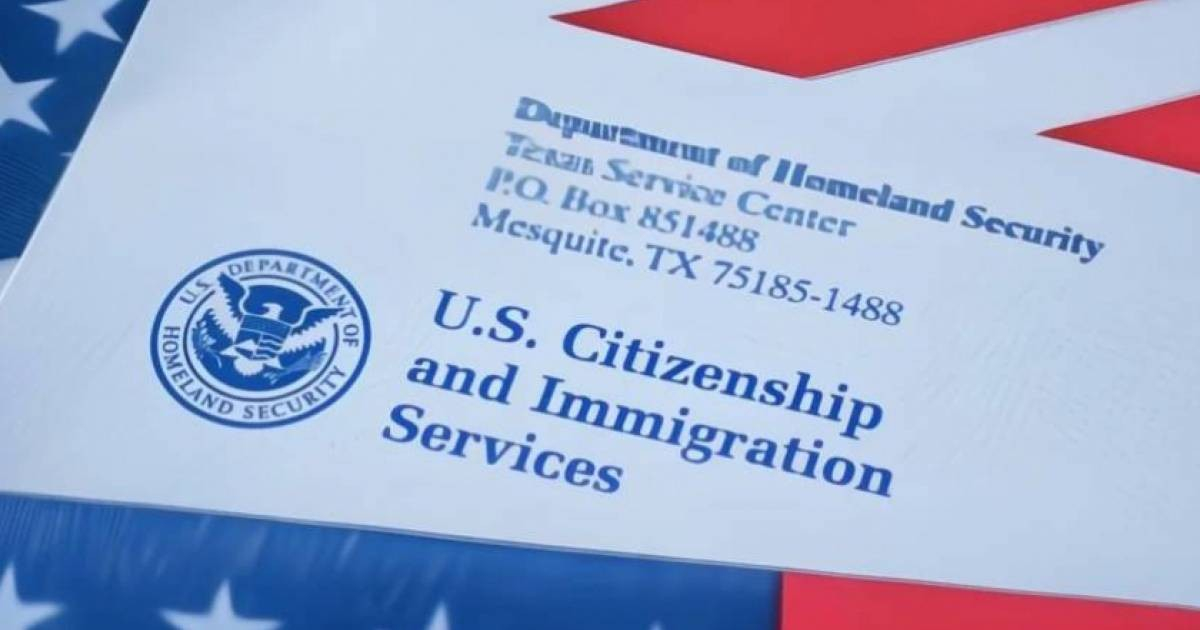
The Department of Homeland Security (DHS) discreetly announced this change through an update on the U.S. Citizenship and Immigration Services (USCIS) website, without releasing an official press statement. The official rationale cited that these medical professionals provide "essential services for public health and critical infrastructure."
As a result of this policy shift, healthcare workers have been removed from the list of frozen categories, thereby resuming the normal processing of H-1B visa extensions, J-1 waiver requests, and permanent residency applications.
The initial freeze, implemented in January 2026, was part of a broader suspension of immigration procedures for nationals from 39 countries deemed high-risk, affecting over 12 million immigration cases in total.
Impact on the U.S. Healthcare System
In the medical sector alone, the pause impacted over 10,000 physicians holding H-1B visas and more than 17,000 with J-1 visas, creating a crisis in teaching hospitals and rural clinics in states like Texas, New York, and Ohio.
Due to the uncertainty surrounding their immigration status, some hospitals chose to forgo the services of these professionals, exacerbating a projected national shortage of 86,000 doctors by 2032.
The immediate practical benefit is considerable: foreign residents in teaching hospitals can begin their July rotations on schedule, and doctors working in underserved rural clinics can maintain continuity in their practice.
Broader Implications of the Policy Change
This unfreezing of processes for doctors is part of a broader partial relaxation announced by USCIS on the same day. It also extends to certain employment authorization documents, asylum applications from non-high-risk countries, rescheduled oath ceremonies, and international adoption forms.
However, the general freeze affecting the 39 high-risk countries remains in place for most immigration categories.
Challenges Faced by the Cuban Community
The impact on the Cuban community has been notably harsh: approvals for permanent residency plummeted by 99.8%, from 10,984 in February 2025 to just 15 in January 2026, based on data from the Cato Institute.
Simultaneously, detentions of Cubans by ICE increased by 463% from October 2024 until January 2026, surpassing 1,000 arrests per month.
Judicial pressure also played a role in the administration's pivot. On April 28, Federal Judge George L. Russell III from the District of Maryland declared the indefinite suspension of green cards illegal and ordered the reactivation of applications for 83 plaintiffs, stating that "USCIS does not have the discretion to not adjudicate cases at all."
Congresswoman María Elvira Salazar had urged the Secretary of Homeland Security to resume processing for Cubans and Venezuelans in South Florida, emphasizing that they "have complied with the law, passed all screenings, and earned it."
Despite this sector-specific relief for medical professionals, over 100,000 Cuban cases remain affected by the immigration freeze, which continues to stall millions of files in most categories.
Frequently Asked Questions about the U.S. Immigration Freeze
Why was the immigration freeze initially implemented?
The immigration freeze was initially enacted in January 2026 as part of a wider suspension for nationals from 39 countries considered to be high-risk, impacting over 12 million immigration cases.
How does the lifting of the freeze affect healthcare professionals?
The lifting of the freeze allows healthcare professionals to renew their visas and work permits, restoring the normal processing of H-1B visa extensions, J-1 waivers, and permanent residency applications.
What is the impact on the Cuban community?
The Cuban community experienced a severe impact, with permanent residency approvals dropping by 99.8% and ICE detentions increasing by 463% between October 2024 and January 2026.