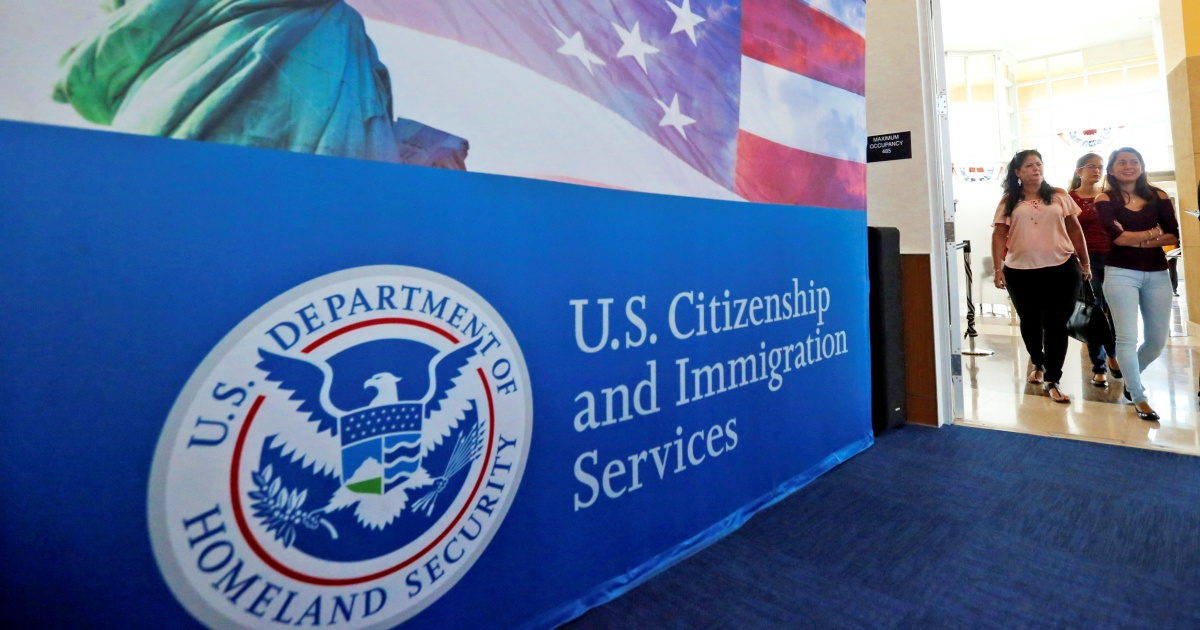
The United States Citizenship and Immigration Services (USCIS) announced a partial relaxation of the migration halt affecting citizens from 39 high-risk countries, including Cuba, Venezuela, and Haiti. This change lifts suspensions for specific categories such as work permits, asylum applications, and procedures related to medical professionals.
According to Telemundo, this policy shift comes over three months after the Trump administration froze the processing of immigration applications from these high-risk nations. This freeze, which impacted over 12 million immigration cases, has been particularly harsh on the Cuban community.
In an alert on its website, USCIS emphasized that it had found "deficiencies" leading to some applications being approved when they should not have been. The agency has now implemented an internal process to lift suspensions on both individual and group cases, requiring thorough reviews by multiple offices.
Processes No Longer on Hold
The processes no longer under suspension include certain employment authorization documents, asylum applications from non-high-risk countries, requests related to medical practitioners, rescheduled oath ceremonies, international adoption forms, specific special immigrant visa petitions, and certain petitions filed by U.S. citizens.
Additionally, individuals vetted through Operation PARRIS—a Department of Homeland Security program aimed at re-evaluating refugee cases through new checks—are also exempt from the pause.
Uncertainty Remains for Many
However, the agency did not clarify whether the resumption applies to all citizens of the 39 countries or only specific ones, leaving many Cubans with pending applications in a state of uncertainty.
The freeze's impact on Cubans has been severe. Permanent residency approvals plummeted by 99.8%, from 10,984 in February 2025 to just 15 in January 2026, according to the Cato Institute. More than 100,000 Cuban cases could be affected.
Simultaneously, arrests of Cubans by the Immigration and Customs Enforcement (ICE) surged 463% from October 2024 to January 2026, exceeding 1,000 monthly arrests.
Legal and Political Pressure
This partial relief follows a ruling by federal judge George L. Russell III, who deemed the indefinite suspension of green cards illegal and ordered the reactivation of applications for 83 plaintiffs. The judge highlighted that "USCIS does not have the discretion to not adjudicate cases at all."
Congresswoman María Elvira Salazar also pressed the Secretary of Homeland Security to resume citizenship and naturalization processes for Cubans and Venezuelans in South Florida, arguing that "they have complied with the law, passed all checks, and earned it."
USCIS also mentioned it is working on a tiered evaluation plan and expanded background, identity, and security checks. However, the general freeze for the 39 high-risk countries remains in effect for most categories, and no timeline was provided for lifting the remaining restrictions.
FAQs on USCIS Migration Policy Changes
What changes has USCIS announced regarding migration?
USCIS has partially eased the migration pause for citizens of 39 high-risk countries, including Cuba, by lifting suspensions on work permits, asylum applications, and processes related to medical professionals.
How has the migration freeze affected Cuban applicants?
The freeze has drastically reduced permanent residency approvals for Cubans by 99.8% and increased ICE arrests by 463%, impacting over 100,000 Cuban cases.
Is the migration pause completely lifted for all 39 countries?
No, the general freeze continues for most categories, and USCIS has not provided a timeline for lifting all restrictions. The relief applies only to specific categories and cases.