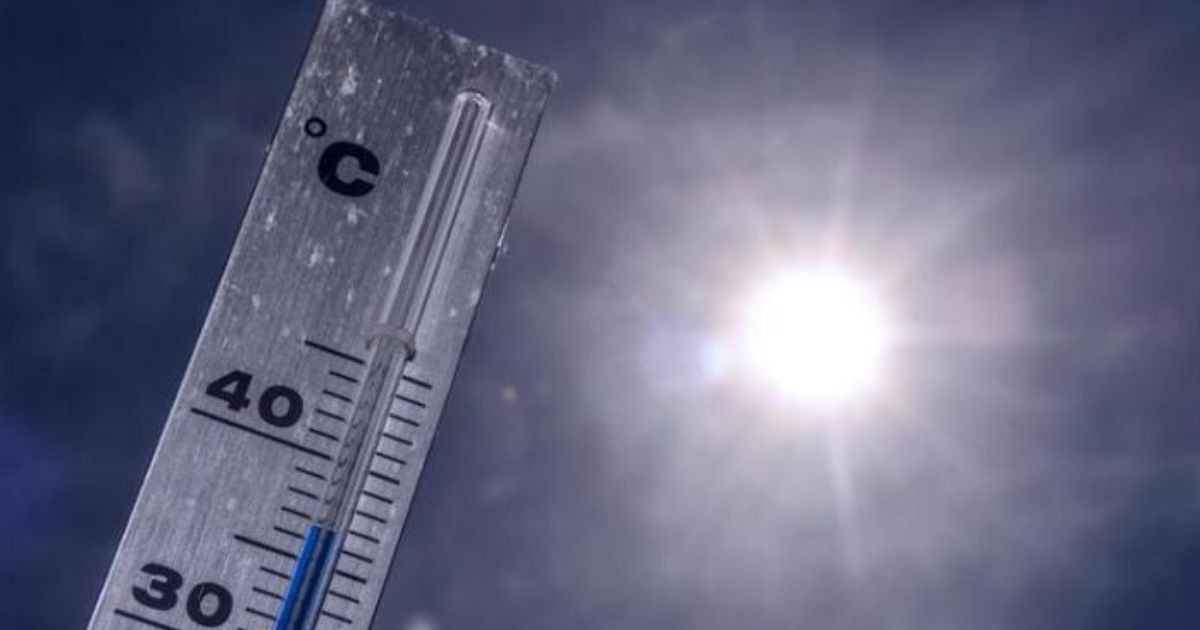
The Cuban Institute of Meteorology's Climate Center (CENCLIM) has forecasted an exceptionally warm month of May in 2026, with both high and low temperatures surpassing historical averages across the western, central, and eastern regions of Cuba.
This forecast, unveiled during the 15th National Climate Outlook Forum with participation from provincial meteorological centers, highlights a trend of extreme heat that the island has been experiencing in recent years.
Idelmis González García, a Master of Science and head of CENCLIM, noted that rainfall will fall short of the monthly norm in the western part of Cuba, while the central and eastern areas will see precipitation levels close to usual values.
Beginning of the Rainy Season
May signifies the onset of Cuba's rainy season, which lasts until October and accounts for 74% of the country's annual rainfall. This season does not begin uniformly across the nation, typically starting in the eastern region and gradually moving westward. The rainiest months of the year are May, June—which sees the highest annual accumulation—September, and October.
Impact of El Niño on Weather Patterns
An influential factor in the climate outlook is the high likelihood of a new El Niño/Southern Oscillation (ENSO) event developing in the equatorial Pacific Ocean starting in July, potentially lasting until the end of the year. While most models consulted by CENCLIM suggest a July onset, the Cuban model predicts it may not begin until November.
The exact intensity of this event remains uncertain: some international forecasts predict it could be severe, while others anticipate a more moderate occurrence. According to an April forecast by NOAA, there is a 61% chance that El Niño will emerge between May and July of 2026 and persist through at least December.
Potential Effects on Cyclone Activity
If El Niño materializes as expected, it could significantly alter the behavior of key meteorological variables in Cuba, particularly by acting as a limiting factor in hurricane formation in the Atlantic. González García cautioned that such a development would impact the behavior of major weather variables, especially regarding the cyclone season.
This May forecast is part of an unprecedented heat trend in Cuba. In April 2024, the island surpassed the 40°C mark for the first time, with a record 40.1°C in Jucarito, Granma province. In May 2025, the Casablanca station in Havana reached 38.0°C, setting a new record for the month in the Cuban capital.
For the summer of 2026, INSMET anticipates temperatures will remain above historical averages throughout the season, with warm nights offering little relief. Both INSMET and Colorado State University predict slightly below-average cyclone activity for the 2026 season, with 13 named storms, six hurricanes, and two major hurricanes of category three or higher.
CENCLIM emphasized that forecast reliability improves after April, promising more precise updates later, and that the organization continues to closely monitor the potential ENSO development.
FAQs on Cuba's Weather Forecast for May 2026
What regions in Cuba will experience above-average temperatures in May 2026?
All regions of Cuba—western, central, and eastern—are expected to experience temperatures above historical averages in May 2026.
How might El Niño affect Cuba's weather patterns in 2026?
El Niño could alter key meteorological variables, potentially reducing hurricane activity in the Atlantic and impacting the island's weather patterns.
When is the rainy season in Cuba and how much of the annual rainfall does it comprise?
Cuba's rainy season spans from May to October, accounting for 74% of the country's annual rainfall.