Madelaine Hernández García, the president of the Municipal Assembly of People's Power (AMPP) in Manicaragua, stirred controversy by claiming on social media that the bread shortage in her area has brought "benefits" to the community, including purported reductions in blood pressure and obesity.
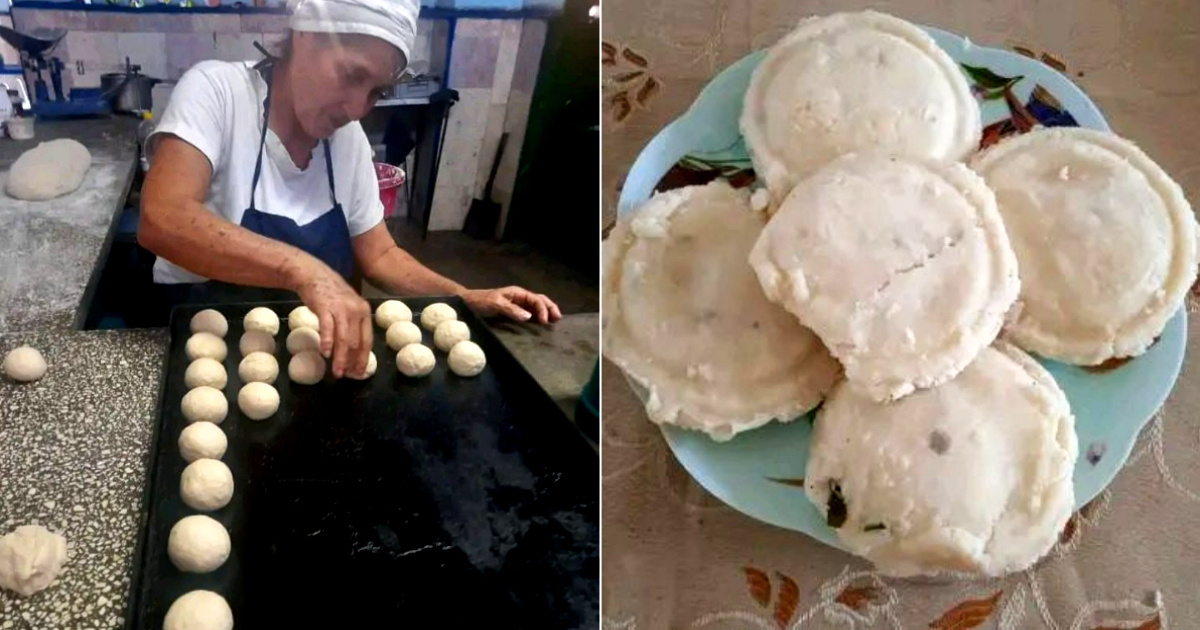
In a Facebook post, the official explained that due to the fuel crisis hampering bread production, the commerce sector has turned to making yucca bread. She even claimed that this alternative surpasses traditional bread in taste.
What drew the most attention in her message, however, was not the food substitution itself but her interpretation of its effects.
"This absence of bread has brought multiple benefits," Hernández García stated, though she provided no evidence, claiming that people "complain less about blood pressure problems or fluid retention" and that obesity has decreased "to 5%."
She also promoted rationing as a means to "extend resources over time."
These statements come amid an ongoing supply crisis in Cuba, where shortages of flour, fuel, and other basic supplies have led to frequent disruptions in the production of rationed bread, a staple in the Cuban diet.
Instead of acknowledging the severity of the problem, the official rhetoric attempts to frame the scarcity as an advantage. The promotion of "yucca bread" or sweet potato bread isn’t part of a planned dietary strategy but rather an emergency response to the system's inability to ensure basic products.
While yucca is a traditional and widely consumed food, using it as a daily bread substitute raises nutritional concerns. It's high in rapidly absorbed carbohydrates and low in proteins, which can lead to unbalanced diets if not properly complemented. Experts agree that the issue lies not with the food itself but with the lack of variety and access to a balanced diet.
Independent journalist José Luis Tan Estrada responded to the statements, highlighting the contradictions in the official argument. In a critical comment on the social network X, he questioned the justification of scarcity with supposed health benefits, emphasizing that such narratives aim to normalize a situation rooted in structural failures.
The bread situation in Cuba has become another symbol of the country's economic and logistical deterioration. While authorities call for "creativity" and sacrifice from the population, doubts grow about the sustainability of these alternatives and their real impact on the quality of life for Cubans.
Rather than offering a solution, "yucca bread" illustrates how the crisis forces the replacement of basic foods with less balanced options, in a context where the ability to choose what to eat has become an increasingly rare privilege.
Understanding Cuba's Bread Shortage and Its Implications
What led to the bread shortage in Cuba?
The bread shortage in Cuba is primarily due to a fuel crisis that has disrupted the production of bread, coupled with shortages of flour and other essential supplies.
Why is yucca bread being promoted as an alternative?
Yucca bread is promoted as an alternative due to the scarcity of traditional bread-making resources. However, it is more of an emergency stopgap than a planned dietary measure.
Are there any health concerns with substituting bread with yucca bread?
While yucca is a traditional food, it is high in carbohydrates and low in protein, posing nutritional challenges if not complemented with other foods. This substitution can lead to unbalanced diets.