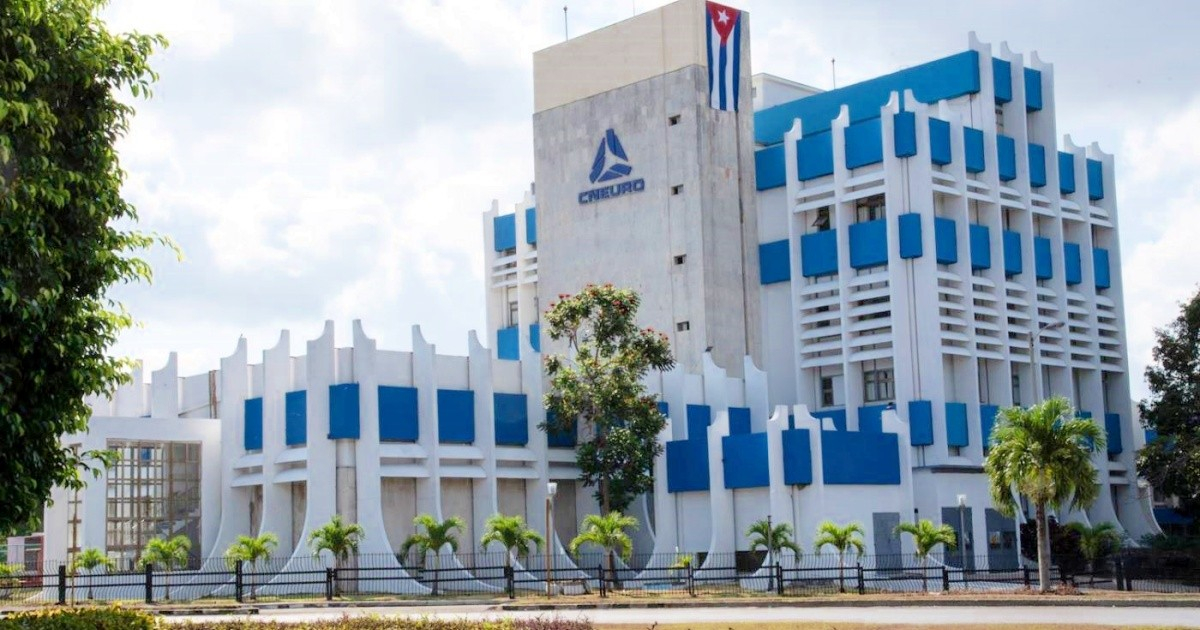
The Cuban Neuroscience Center (CNEURO), a leading scientific body under the BioCubaFarma Group, issued a call for private sector involvement on April 28. The institution, unable to manage its transport fleet with existing resources, is inviting small businesses and self-employed workers to take over these operations.
Signed by Engineer Reymundo Guerra Grau, the Administrative Director of CNEURO, the document formally invites entities to enter a "Collaboration Agreement for the use and operation of CNEURO's transportation." This initiative is supported by the Ministry of Economy and Planning's Resolution 149/2024.
Details of the Transportation Agreement
The agreement outlines the inclusion of five vehicles. Currently, only one—a 13-seat Yutong bus with license plate B174903—is operational. The remaining four vehicles need repairs: a 20-seat Mercedes Benz Sprinter (B200045), two Citroën vans (B245811 and B153400), and a Peugeot van (B196283).
CNEURO will provide vehicles, secure storage, drivers from its staff, purchasing power for foreign imports, and a payment gateway for foreign currency transactions. In contrast, private partners are expected to supply what the state cannot: "liquidity for purchasing parts and fuel" and vehicle maintenance and repairs, all "at the lowest possible cost."
Operational and Financial Challenges
The collaboration agreement specifies service obligations, including "two daily routes (entry and exit) for personnel designated by the company in nearby areas (Lisa, Marianao, and Playa) as agreed upon by both parties." Additionally, the agreement requires a monthly review of the technical condition of the vehicles.
There is no cap on the number of participants or proposals, allowing the possibility for additional vehicles from the center to be included if of interest to bidders for specific activities.
The Broader Transportation Crisis in Cuba
The situation at CNEURO is not unique. Cuba's transportation system is in a severe decline, with the Minister of Transportation acknowledging in March that national buses operate with only one trip per day. Public transportation plummeted by 93% between January and September 2025.
The energy crisis exacerbates these issues. Díaz-Canel has warned of dwindling Russian oil supplies, highlighting the need for eight fuel shipments per month, though only one has arrived since December 2025. On February 6, urban transportation in Havana came to a complete halt due to a lack of fuel, leaving bus and minibus routes inoperative.
This crisis extends beyond transportation. Cuban hospitals are functioning under war-like conditions due to power outages and shortages, with the healthcare system reportedly nearing collapse.
That a scientific institution focused on research into neurological diseases like Alzheimer's, Parkinson's, and epilepsy must turn to the private sector to ensure basic staff transportation underscores the deep institutional failure in Cuba following decades of centralized management.
The call for bids is open for 15 business days following its publication in official media.
FAQs on CNEURO's Private Sector Collaboration
What is CNEURO seeking from the private sector?
CNEURO is looking for private sector partners to manage its transportation fleet, including providing liquidity for parts, fuel, and maintenance.
How many vehicles are involved in the collaboration agreement?
The agreement includes five vehicles, although only one is currently operational. The others require repairs.
What are the service obligations under the agreement?
The agreement mandates two daily routes for staff in nearby areas and requires a monthly review of the vehicles' technical conditions.