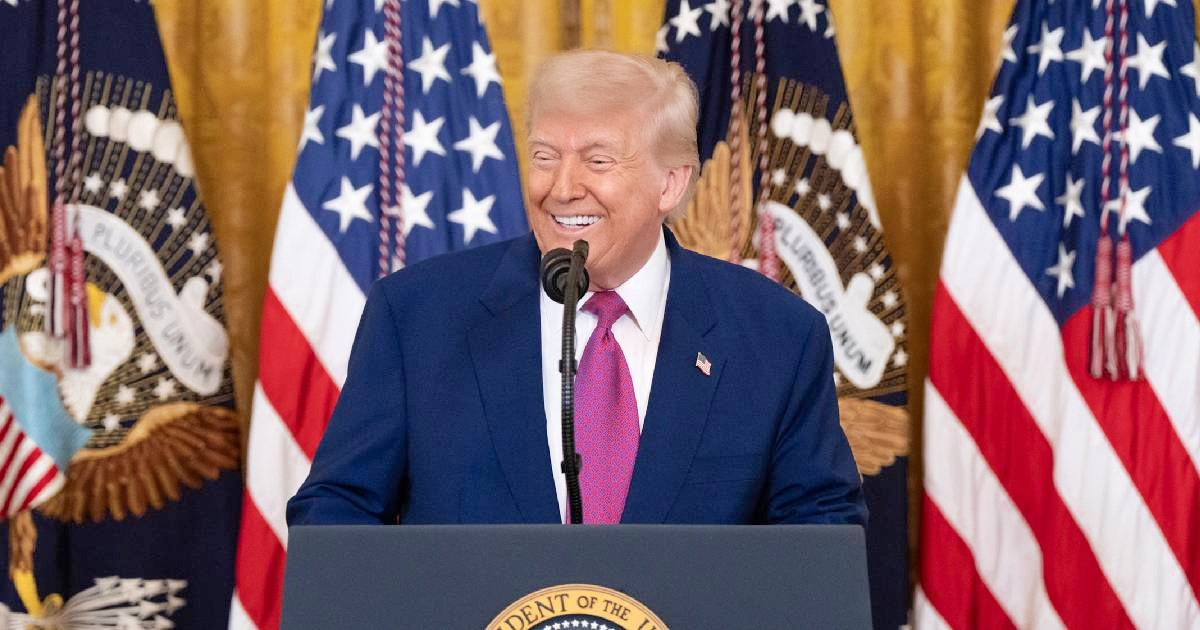
In an unprecedented rebranding effort by the U.S. federal government, Donald Trump’s name has been emblazoned on at least a dozen federal entities, ranging from historic buildings and warships to dollar bills, passports, and government websites.
This initiative kicked off in December 2025 and has persisted throughout 2026, under the political guise of the Semiquincentennial, the 250th anniversary of the United States' independence, celebrated on the upcoming July 4th.
The Naming Campaign Begins
The first federal building to bear the name of a sitting president was the Institute of Peace, renamed the “Donald J. Trump Peace Institute” by the State Department on December 3, 2025.
"President Trump will be remembered by history as the President of Peace. It’s time for our State Department to reflect that," declared Secretary of State Marco Rubio.
Controversial Renaming and Legal Battles
On December 19, the Kennedy Center for the Performing Arts added Trump's name to its facade, becoming the "Donald J. Trump and John F. Kennedy Memorial Center for the Performing Arts." The change has been deemed illegal by Democrats and some members of the Kennedy family, and the issue remains in court.
On December 22, Trump announced the creation of "Trump-class" warships, including one named USS Defiant, from his Mar-a-Lago estate. The then Secretary of the Navy, John Phelan, described them as "the largest, most lethal, most versatile, and most visually appealing warships on the world’s oceans."
Financial Ventures and Public Reactions
That same month, the "Trump Gold Card" was launched, a permanent residency visa priced at $1 million aimed at wealthy foreigners. Trump described it as "the green card on steroids," although by late April, only one person had been approved, according to AP.
In 2026, the campaign intensified. Giant Trump banners were hung in the Departments of Justice, Agriculture, and Labor in February, and TrumpRx.gov, a prescription drug discount site, was launched. "You’re going to save a fortune," Trump proclaimed during the launch press conference.
In March, the Treasury Department announced that Trump’s signature would appear on future dollar bills, an unprecedented move for a sitting president. Treasury Secretary Scott Bessent stated, "There is no more powerful way to acknowledge the historic achievements of our great country and President Donald J. Trump than with U.S. dollar bills bearing his name."
Also in March, a federal commission, comprised solely of Trump appointees, approved a 24-karat gold commemorative coin featuring Trump in the Oval Office.
Trump’s Image in Official Documents
In April, the State Department revealed passports with a large image of Trump on the inner cover, and Trump signed an executive order to create TrumpIRA.gov, a site for comparing retirement savings accounts.
The "Trump Accounts," investment accounts with tax benefits for minors, were also introduced: babies born between 2025 and 2028 will receive $1,000 from the Treasury to start these accounts.
The annual national parks pass was altered to feature Trump’s face alongside George Washington, replacing the photo that had been selected through a legally mandated annual contest since 2004. An environmental group has filed a lawsuit against the Department of the Interior over this decision.
Not all efforts succeeded: proposals to rename a New York train station and a Washington-area airport fell through.
July 4, 2026, the central date of the Semiquincentennial, is expected to be a key moment for new initiatives in this unprecedented presidential branding campaign.
Trump’s Federal Rebranding Campaign: Key Questions Answered
Why is Trump's name being added to federal entities?
This rebranding effort is part of a campaign linked to the Semiquincentennial, marking 250 years of U.S. independence. It's seen as a way to commemorate President Trump's tenure.
What legal challenges has this campaign faced?
The renaming of the Kennedy Center has faced legal challenges from Democrats and the Kennedy family, arguing the change is illegal. Other initiatives have also been contested in courts.
What are some of the failed initiatives of this campaign?
Efforts to rename a New York train station and a Washington-area airport did not come to fruition.