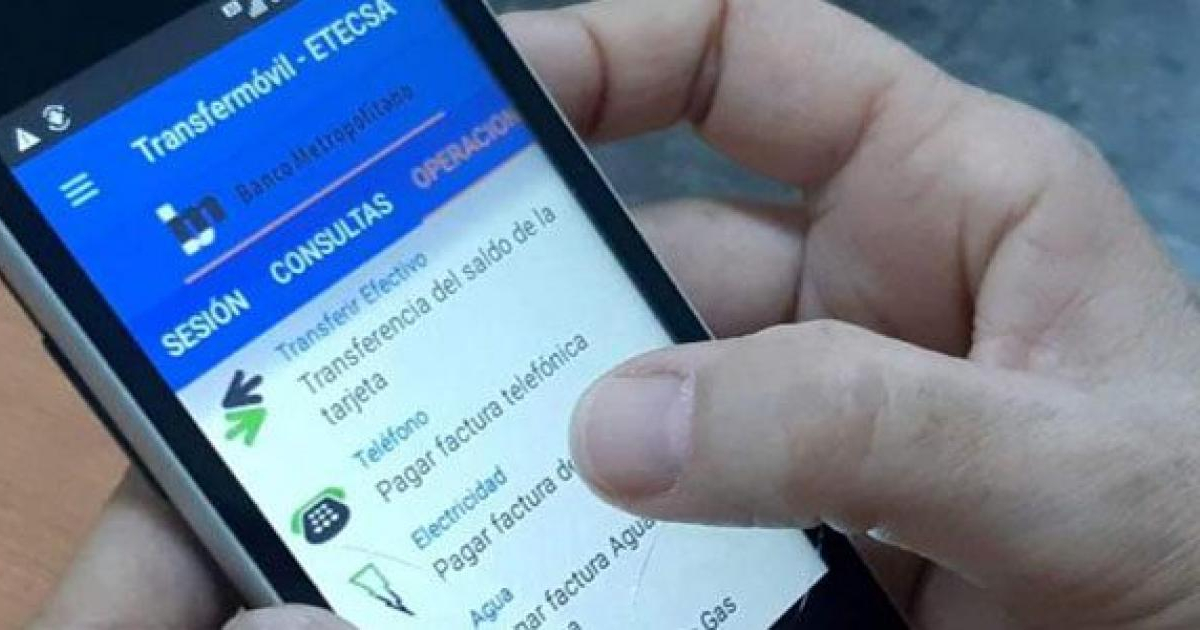
The organizations Food Monitor Program (FMP) and Cuido60 have raised alarms over the continuous rise of phone scams linked to Transfermóvil in Cuba. They have identified older adults as the most susceptible group to these crimes, which capitalize on the enforced digital banking shift imposed by the regime, lacking adequate citizen protection measures.
One prevalent scam involves calls to both landlines and mobile phones, where fraudsters pose as intermediaries for international parcel services. They falsely claim that shipments of medications or food from abroad are on the way and require immediate confirmation via transfers or codes on Transfermóvil.
Once the transaction is completed, the money vanishes and the scammers terminate the communication.
The Vulnerability of an Aging Population
Cuba stands as one of the most aged nations in Latin America, with a quarter of its population over 60 years old relying on minimal pensions, dwindling remittances, or infrequent family support.
This situation is exacerbated by the fact that many who have emigrated have left their elderly relatives behind in Cuba, further increasing the vulnerability of this demographic. The lack of effective family support networks has led to greater isolation and a dependence on phone calls to meet basic needs.
According to FMP and Cuido60, this group faces particular conditions that heighten their fraud exposure: limited digital literacy, restricted access to current information about scams, and a tendency to trust calls that appeal to urgent needs like medications or food.
Digital Divide as a Risk Factor
FMP and Cuido60 highlight that "older people, as digital migrants, face more hurdles adapting to new technologies."
Cuido60 has documented a digital divide among older adults in Cuba, caused by access restrictions, lack of training, and ageism — negative stereotypes about the technological capabilities of this group that act as an additional barrier.
Compounding the issue, since 2021, the Cuban regime has pushed for rapid banking digitalization due to a cash shortage, forcing the entire population to use platforms like Transfermóvil and EnZona without accompanying financial education programs or consumer protection mechanisms.
The Banco Metropolitano eliminated printed receipts for in-person transactions starting April 1, 2025, furthering this forced digital shift.
Lack of Official Action Amid Growing Threat
The organizations warn that "the increase in these practices has been noted by banks and payment platforms, yet the scale of the problem continues to grow due to limited coverage by the official press, absence of prevention strategies from official civil society organs, and the authorities' inaction."
In Las Tunas, 84% of respondents reported knowing at least one victim of digital scams, according to an April 2026 report.
The Banco de Crédito y Comercio (Bandec) in Matanzas issued a public alert in the same month about new deceit techniques via messaging apps, yet no structural protective measures followed.
Other documented variants include scammers impersonating banks or official institutions through WhatsApp and fraudsters posing as shipping agencies to steal money from victims.
FMP and Cuido60 urge the Cuban government to expand specific digital literacy programs for older adults, improve the processing of cybercrime reports, and equip the judicial system with tools to handle such crimes, emphasizing that "individual prevention, while necessary, does not replace the importance of structural mechanisms for protection, monitoring, and response."
Frequently Asked Questions About Digital Scams in Cuba
Why are older adults in Cuba more vulnerable to digital scams?
Older adults in Cuba are more susceptible to digital scams due to limited digital literacy, less access to updated scam information, and a higher likelihood of trusting calls related to urgent needs like medication and food.
What steps can be taken to protect seniors from digital fraud?
Expanding digital literacy programs, enhancing the processing of cybercrime reports, and equipping the judicial system with tools to prosecute these crimes can help protect seniors from digital fraud.