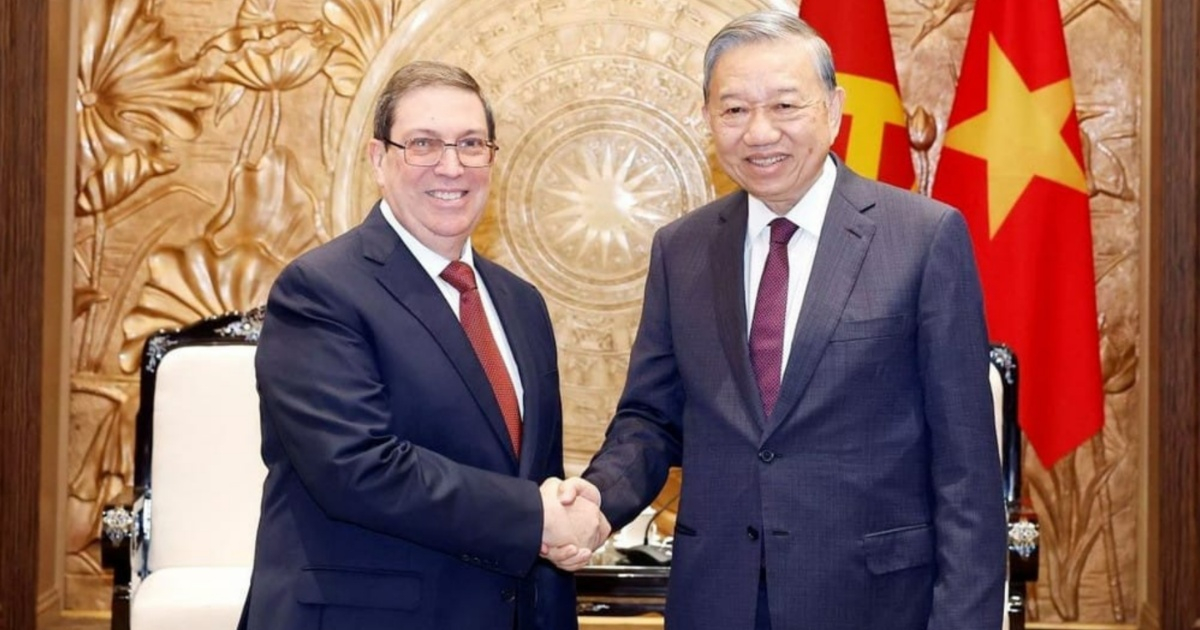
During a meeting of the Non-Aligned Movement (NAM) ambassadors held at the United Nations headquarters in New York, Vietnamese Ambassador Do Hung Viet called on member states to uphold solidarity with Cuba and oppose unilateral sanctions and embargoes.
The appeal coincided with the signing of a new executive order by President Donald Trump, which freezes all assets and interests in properties located in the U.S. belonging to foreign nationals connected to the Cuban regime. This move expands sanctions in critical sectors such as energy, defense, mining, and financial services.
Do Hung Viet encouraged NAM members to "maintain the movement's spirit of solidarity, continue supporting Cuba, reject unilateral sanctions, and endorse dialogue efforts between Cuba and the United States grounded in mutual respect, peace, stability, and the welfare of their people."
The diplomat also mentioned Vietnam's "concrete support in areas like agriculture and energy to help alleviate the hardships faced by the Cuban people."
During the same meeting, Cuba's UN ambassador, Ernesto Soberón, argued that Washington has "persisted in tightening sanctions, especially in sectors such as energy, trade, and tourism, which severely affect Cuba's economy, society, and living standards, particularly in food and healthcare."
The Cuban representative's statement aligns with projections of a GDP contraction between 6.5% and 7.2% by 2026, as forecasted by The Economist Intelligence Unit and ECLAC, leading to an accumulated decline of 23% since 2019.
Trump administration sanctions have slashed Cuba's energy imports by 80% to 90%, bringing the island to the brink of total blackouts lasting up to 25 hours a day in more than 55% of its territory.
The newly signed executive order builds on Executive Order 14380 from January 29, 2026, which declared a national emergency due to the Cuban government's threat to U.S. security and also reinstated Cuba on the list of state sponsors of terrorism.
Since January 2025, the Trump administration has implemented over 240 sanctions against Cuba. The regime led by Miguel Díaz-Canel described these new measures as a "brutal genocidal blockade," while Bruno Rodríguez rejected Washington's pressures.
In his address, Do Hung Viet took the opportunity of Vietnam's 51st reunification anniversary to express gratitude for the NAM's historical support, highlighting Cuban solidarity through Fidel Castro's iconic phrase: "For Vietnam, we are willing to shed our own blood."
Vietnam, maintaining relations with Cuba for over 65 years, stands as the largest Asian investor on the island, with ventures in agriculture and solar energy, including a solar panel factory in the Mariel Special Economic Zone with an investment exceeding $160 million.
In February 2026, UN Secretary-General António Guterres had already warned of the risk of a humanitarian collapse in Cuba due to fuel shortages, exacerbated by U.S. sanctions.
Key Issues in US-Cuba Relations
What is the impact of U.S. sanctions on Cuba's energy sector?
The U.S. sanctions have drastically reduced Cuba's energy imports by 80% to 90%, leading to frequent and prolonged power outages across more than half of the island.
How has Vietnam shown support for Cuba?
Vietnam has provided support in areas such as agriculture and energy, and has invested in projects like a solar panel factory in Cuba, demonstrating its commitment to assisting the country amid hardships.
What are the economic projections for Cuba by 2026?
Cuba's GDP is projected to contract between 6.5% and 7.2% by 2026, leading to a cumulative decline of 23% since 2019, according to forecasts by The Economist Intelligence Unit and ECLAC.