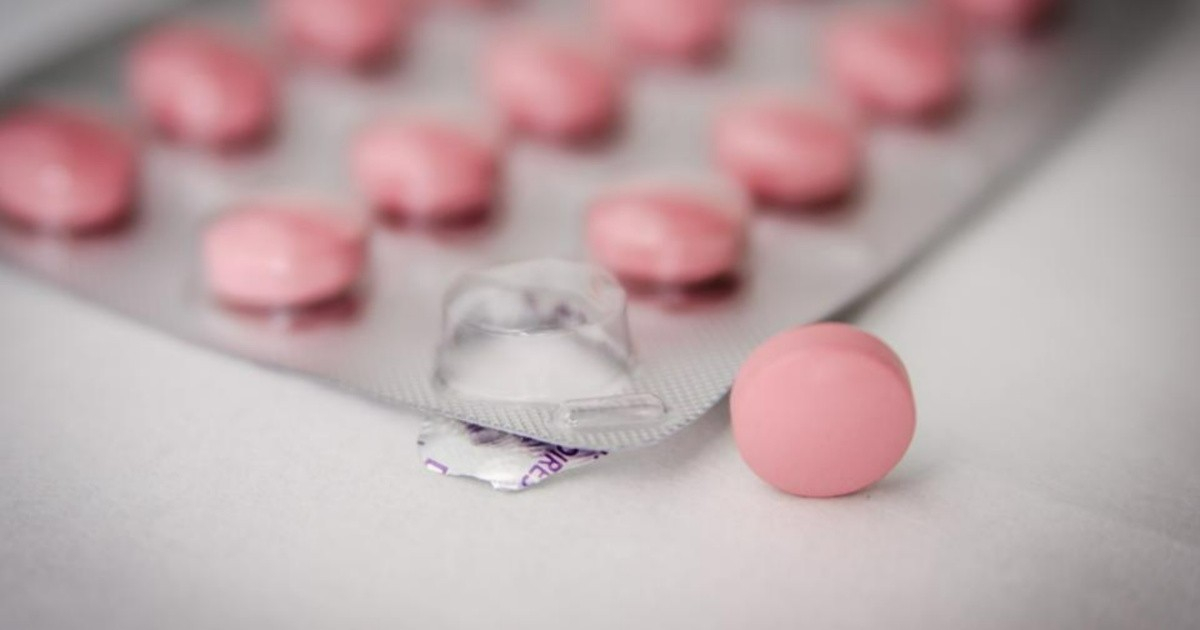
A three-judge panel from the Fifth Circuit Court of Appeals, based in New Orleans, has put a stop to the nationwide delivery of mifepristone prescriptions via mail, requiring that the abortion pill be dispensed solely through in-person visits at clinics.
The temporary ruling, handed down last Friday, overturns the Food and Drug Administration's (FDA) policy from January 2023, which had allowed telemedicine consultations and postal delivery of the drug across the United States.
This decision, penned by Judge Stuart Kyle Duncan—a Trump appointee—was unanimously supported by Judges Southwick and Engelhardt. It comes as part of the "State of Louisiana vs. FDA" case, which Louisiana initiated in October 2025.
Louisiana sued the FDA, contending that removing the in-person requirement was based on flawed data, led to illegal abortions, and imposed costs on the Medicaid program.
The court argued that the gradual easing of mifepristone safeguards "likely lacked a foundation in data and scientific literature."
The ruling also highlighted that "each abortion facilitated by the FDA's action nullifies Louisiana's ban on medical abortions and undermines its policy that 'every unborn child is a human being from the moment of conception and is therefore a legal person.'"
This decision holds national implications, directly impacting one of the most common abortion methods in the country: in 2023, medication abortions accounted for 63% of all procedures reported in the U.S., according to the Guttmacher Institute.
By 2024, one in four abortions in the country was conducted via telemedicine, and in 2025, an estimated 91,000 procedures were provided this way in states with total bans.
Since the Supreme Court overruled Roe v. Wade in 2022, mail delivery became the primary means of accessing abortions in states with prohibitions, doubling telemedicine requests.
In June 2024, the Supreme Court had unanimously dismissed an earlier lawsuit against the FDA regarding mifepristone, temporarily preserving access to the abortion pill due to plaintiffs' lack of standing.
Reproductive rights groups responded swiftly to the court's decision.
Julia Kaye, an attorney with the American Civil Liberties Union (ACLU), cautioned that the move "will impact patients' access to both abortion and miscarriage care across all states in the nation."
"When telemedicine is restricted, rural communities, low-income individuals, people with disabilities, survivors of domestic violence, and communities of color bear the brunt," Kaye stated.
Planned Parenthood described the ruling as the most significant blow to abortion policy since the 2022 Dobbs decision, when the Supreme Court removed federal abortion rights and returned regulation to the states.
The order remains temporary as the litigation progresses, but analysts suggest the case may reach the Supreme Court, which currently holds a 6-3 conservative majority.
Impact and Implications of the Federal Court's Decision on Abortion Pill Distribution
What prompted the federal court to block mail delivery of mifepristone?
The court blocked mail delivery of mifepristone following a lawsuit by Louisiana, which argued that the FDA's policy of allowing postal delivery was based on flawed data and resulted in illegal abortions and increased Medicaid costs.
How does this ruling affect access to abortion in the United States?
This ruling significantly impacts access to abortion by requiring in-person clinic visits for mifepristone, which had been a primary method of abortion in states with strict abortion bans through telemedicine and mail delivery.
What are the potential next steps for this legal case?
As the litigation continues, the case could potentially escalate to the Supreme Court, which has a conservative majority. The temporary order will remain in place while the legal proceedings unfold.