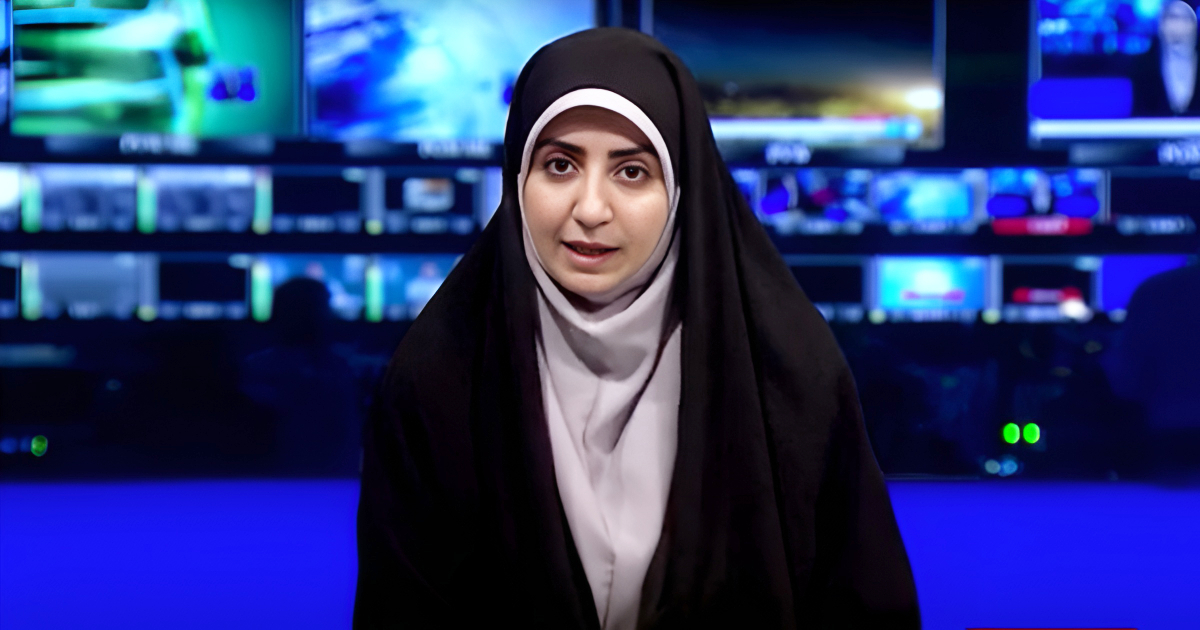
This Friday, Iran's supreme leader, Mojtaba Khamenei, urged a nationwide "economic and cultural jihad" against the country's adversaries. His written statement, released on Labor Day, called on citizens to rally on the home front as peace negotiations with the United States remain stalled.
Khamenei's message emphasized that while Iran has demonstrated its "progress and excellence" in military confrontations with its enemies, it must also "disappoint and defeat them" on the economic and cultural battlefield.
The supreme leader encouraged Iranians to prioritize "consumption of domestically manufactured goods" and advised business owners facing challenges to avoid layoffs and maintain their workforce whenever possible.
This call to action comes amid open conflict and a severe economic crisis. Mojtaba Khamenei assumed the role of supreme leader on March 9, 2026, following the death of his father, Ali Khamenei, who was killed on February 28 during the initial bombings of the war.
The Iranian government characterized Ali Khamenei's death as a "martyrdom in the Zionist-American aggression." Mojtaba was wounded in the legs during the same attack and had not appeared in public since taking office.
The Iranian economy continues to suffer significant blows: annual inflation reached 72% in March 2026, the rial has depreciated over 50% against the dollar since January, and the GDP contracted by 2.5% in the fiscal year 2025-2026.
The naval blockade in the Gulf of Oman, enforced on April 13, results in daily losses of $435 million for Iran, with oil exports dropping from 2.5 million to 1.5 million barrels per day.
Challenges in Diplomacy and Economic Strategy
Within this framework, Khamenei's declaration aims to rally both the population and internal economic players against external isolation, as negotiations mediated by Pakistan have yet to yield results.
On the same day, President Donald Trump publicly expressed dissatisfaction with Iran's latest proposal conveyed through the Pakistani mediator, indicating uncertainty about reaching a peace agreement to end the conflict.
Despite threats to destroy Iranian infrastructure if no agreement is reached, Trump extended the ceasefire with Iran on April 21 at Pakistan's request.
The Iranian Foreign Minister Abbas Araghchi responded by stating that Iran remains open to diplomacy, but only if Washington changes its "expansionist approach" and "threatening rhetoric."
The positions remain starkly opposed: the U.S. demands the complete dismantling of Iran's nuclear program with a 20-year moratorium, while Iran seeks only a five-year pause and $270 billion in war damage compensation.
When informed of Mojtaba Khamenei's appointment in March, Trump predicted the new Iranian leader "wouldn't last long," a warning not overlooked by the regime in Tehran.
Economic and Political Tensions in Iran
What did Mojtaba Khamenei call for in his statement?
Mojtaba Khamenei called for an "economic and cultural jihad" against Iran's enemies, urging citizens to rally on the domestic front as international negotiations remain stalled.
How has the Iranian economy been affected recently?
The Iranian economy is facing severe challenges, including a 72% annual inflation rate, over 50% depreciation of the rial against the dollar, and a 2.5% GDP contraction for the fiscal year 2025-2026.
What are the main points of contention between the U.S. and Iran?
The U.S. demands the complete dismantling of Iran's nuclear program with a 20-year moratorium, while Iran seeks a five-year pause and $270 billion in compensation for war damages.