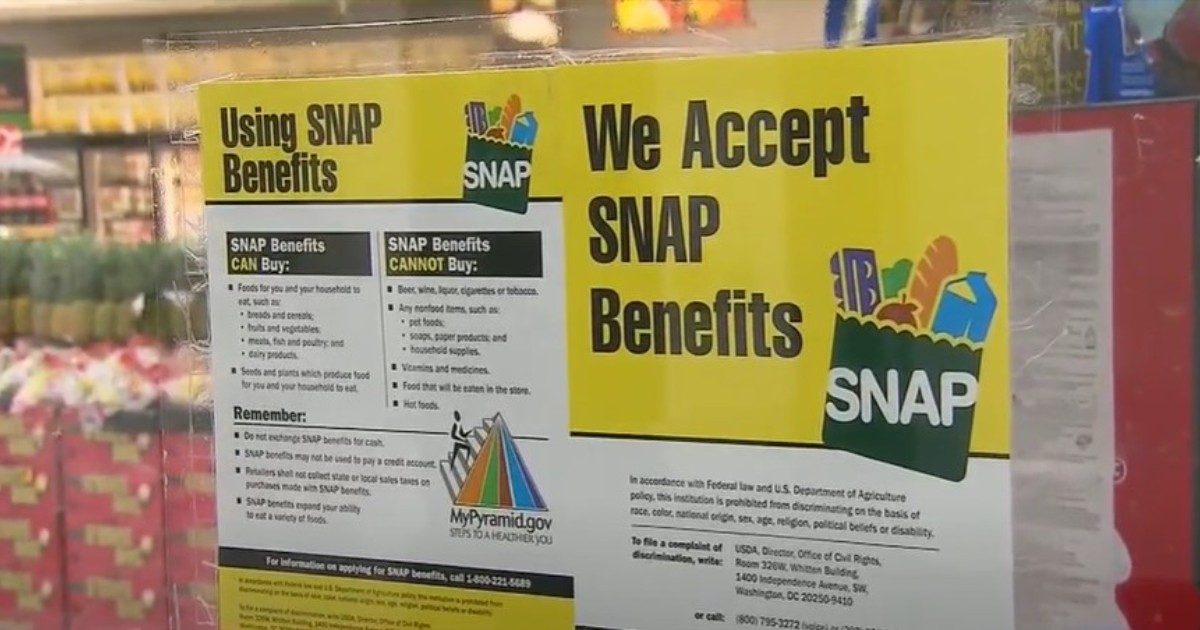
Between July 2025 and January 2026, over three million individuals ceased receiving benefits from the Supplemental Nutrition Assistance Program (SNAP), marking the steepest decline in decades. This represents about an 8% drop in beneficiaries nationwide, as analyzed by the Center on Budget and Policy Priorities (CBPP).
The repercussions in Florida are particularly harsh: nearly 300,000 residents have been stripped of their access to the program. This group includes seniors, veterans, and individuals with disabilities who are struggling to maintain food security amid persistent inflation.
The CBPP attributes this reduction directly to legislative changes enacted by the federal package known as "One Big Beautiful Bill" (H.R. 1), which became law in July 2025, rather than any improvement in economic conditions.
To illustrate the rapid pace of this shift: a similar reduction in previous decades took several years to manifest, whereas this occurred within just six months.
Impact of Legislative Changes on SNAP Benefits
The unemployment rate in the United States has held steady at around 4%, reinforcing that the loss of benefits is not due to a broad economic upswing but rather adjustments in program regulations.
Among the most significant changes in H.R. 1 is the expansion of work requirements for adults aged 18 to 64 without children under 14 years of age—previously, the age cap was 54. These individuals must now prove employment, participation in training, or 80 hours of community service monthly.
The law also rescinded eligibility for refugees, asylum seekers, and individuals with humanitarian protection, restricting benefits primarily to citizens and legal permanent residents.
Additionally, the legislation mandates states to cover up to 15% of benefit costs and 75% of administrative expenses. In Florida, this translates to an additional $1.6 billion in expenditures.
Florida's Response and Community Concerns
The Florida Department of Children and Families initially estimated that 181,000 people would lose access; however, the actual number nearly doubled, with approximately 55,000 of the affected being adults aged 55 to 64.
Florida channels over $7 billion annually into SNAP for about 2.9 million beneficiaries, which accounts for 13% of the state's population. The cuts have disproportionately affected families with children (38%), seniors (24%), and households with individuals with disabilities (more than 50%).
Compounding these cuts is a federal pilot program approved by the U.S. Department of Agriculture that, since April 20, bans SNAP beneficiaries in Florida from purchasing sodas, energy drinks, candies, and ultra-processed desserts. This two-year program applies to 100% of beneficiaries without an opt-out option.
Rob Ranieri, executive director of House of Hope, a nonprofit organization in Treasure Coast aiding vulnerable individuals, criticized these restrictions: "Why would we tell a struggling family, 'No, you can't use your food stamps to buy a birthday cake for your child'?"
Ranieri also highlighted that many clients have seen their benefits reduced twice in the last 12 to 14 months, adding: "If this were a health initiative, we wouldn't be cutting their food stamps; we'd be increasing them to enable access to healthier foods in stores."
The CBPP warns that the decline could persist in the coming months as more provisions of the law take effect, potentially escalating food insecurity among the most vulnerable populations, including the Cuban and Latino communities in Florida, who comprise a significant portion of SNAP beneficiaries in the state.
Understanding the Impact of SNAP Changes in Florida
What led to the reduction of SNAP benefits in Florida?
The reduction is primarily due to legislative changes introduced by the "One Big Beautiful Bill" (H.R. 1), which imposed stricter work requirements and restricted eligibility for certain groups while mandating states to shoulder more costs.
How has the SNAP reduction affected vulnerable groups in Florida?
The reduction has severely impacted seniors, veterans, individuals with disabilities, and Latino communities in Florida, leading to increased food insecurity amid ongoing inflation.
What is the federal pilot program's impact on SNAP purchases in Florida?
The program prohibits SNAP beneficiaries in Florida from buying sodas, energy drinks, candies, and ultra-processed desserts, affecting all recipients with no opt-out option.