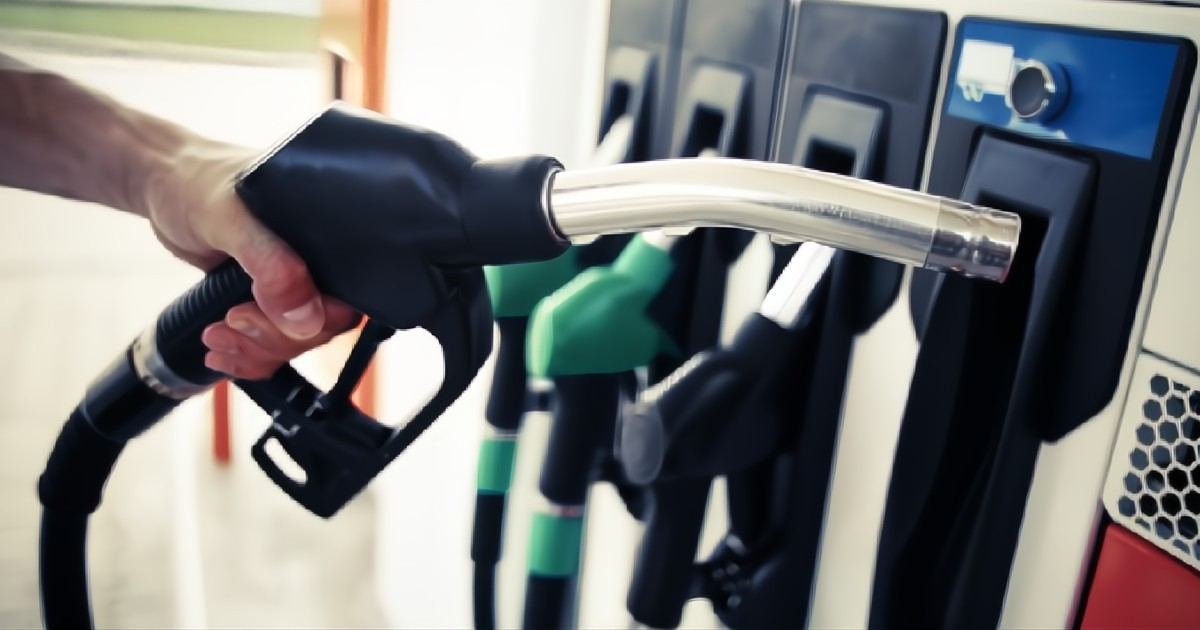
The price of crude oil surged past $120 per barrel, and gasoline reached its highest point since the conflict with Iran began, with an average national price of $4.23 per gallon reported on Thursday in the United States, according to Univisión.
The catalyst for this surge is Iran's closure of the Strait of Hormuz, effective since March 4, 2026, in response to Operation Epic Fury launched jointly by the U.S. and Israel on February 28.
This strategic waterway sees 20% of the world's oil supply, approximately 20 million barrels daily. Maritime traffic plummeted by 97%, leaving over 2,000 vessels stranded since the closure.
Brent crude climbed above $125 per barrel on Wednesday, reaching its highest level in four years, while WTI hovered around $108 per barrel.
Refueling a sedan now costs between $55 and $65, and filling up a truck can exceed $100.
In California, gas prices hover around $6 per gallon, with Los Angeles County averages surpassing $6.05 in April.
The Economic Toll of Rising Fuel Costs
Since the conflict's onset, gasoline prices have risen by $1.20 per gallon, with an increase of nearly seven cents recorded just on Wednesday.
Prior to the conflict, in January and February of 2026, gas prices were below $3 per gallon in 43 states across the nation.
The cumulative economic impact is significant: from February 28 to March 31, American drivers spent an additional $8.4 billion on gasoline, as per the Joint Economic Committee of Congress.
Households are expected to spend an average of $740 extra throughout 2026, with low-income families bearing the brunt of these costs.
Broader Economic Implications and Government Response
Diesel prices have also risen to $5.46 per gallon, increasing the cost of food, transportation, and essential services.
Inflation in the U.S. hit 3.3% in March 2026, marking the highest monthly increase in four years, driven directly by the spike in fuel prices.
On April 13, President Donald Trump ordered a naval blockade in the strait with 12 ships, 100 aircraft, and 10,000 personnel, stating the pressure would continue "until Tehran agrees to the terms."
Treasury Secretary Scott Bessent projected that gasoline prices might fall to around $3 per gallon by summer if the strait reopens. However, Energy Secretary Chris Wright cautioned that prices might not drop below $3 until 2027.
A ten-day truce mediated by Pakistan provided temporary relief, but the Strait of Hormuz did not fully reopen, and prices resumed their upward trend.
Major Wall Street banks, including Goldman Sachs and Citi, predict that oil prices will remain high throughout the year, potentially spiking between $140 and $150 per barrel if the Hormuz blockade extends beyond June.
Understanding the Impact of Oil Prices on the U.S. Economy
Why did oil prices increase so dramatically in the U.S.?
The sharp rise in oil prices is largely due to Iran's closure of the Strait of Hormuz, a critical chokepoint for global oil supply, in response to military actions by the U.S. and Israel.
How has the rise in gasoline prices affected American households?
American households are expected to spend an additional $740 on gasoline over the year, with those of lower income being hit the hardest by these rising costs.
What measures has the U.S. government taken in response to the oil price surge?
The U.S. government has implemented a naval blockade in the Strait of Hormuz to pressure Iran into reopening the waterway, aiming to stabilize oil prices.