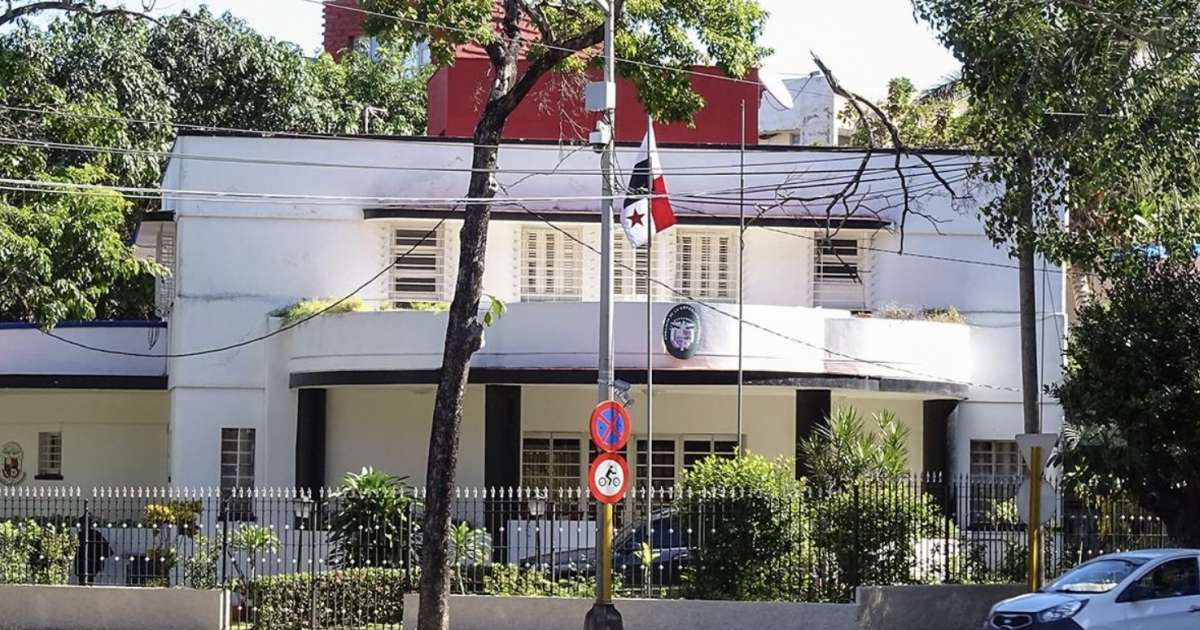
Last Wednesday, Panama's Ministry of Foreign Affairs held a meeting with the families of the seven Panamanian nationals who remain detained in Cuba. The purpose of this meeting was to coordinate diplomatic efforts necessary for their return home.
During the session, Foreign Minister Javier Martínez-Acha spoke with Evelyn Castro, one of the three Panamanian women released on April 25. Her account is regarded as pivotal for Panamanian authorities in their mediation and consular assistance with the Cuban government.
Castro publicly thanked the foreign minister and consular team for their efforts that led to her release, along with fellow citizens Cinthia del Carmen Camarena and Abigail Sthefany Gudiño.
The three women were freed under the legal frameworks of "effective collaborator" and "opportunity criteria," returning to Panama through the Tocumen International Airport that same day.
Martínez-Acha described their release as "a gesture of friendship" from the Cuban government, though Panama continues negotiations to free the seven individuals still held at Villa Marista—a notorious detention center for political prisoners operated by the Cuban State Security.
The seven Panamanians still detained include Víctor Manuel Pinzón Cedeño, Anthony Williams Jules Pérez, Omar Gilberto Urriola Vergara, Maykol Jesús Pérez Almendra, Adalberto Antonio Navarro Asprilla, Patrochiny Jerodany Joseph Arisarena, and José Luis Aguirre Baruco.
Background of the Detention
The situation began on February 28, 2026, when ten Panamanian citizens were apprehended in Havana, in the neighborhoods of Boyeros and Jaimanitas. They were accused by Cuba's Ministry of the Interior of creating and displaying anti-government signs signed by the CDPC (Path to Peaceful Democracy in Cuba).
The signs included phrases like "Down with tyranny" and "We trust in Donald Trump, Marco Rubio, and Mike Hammer."
Those arrested face charges under Article 124 of the Cuban Penal Code, which criminalizes propaganda against the constitutional order with penalties of up to eight years in prison.
Alternative Perspectives and Ongoing Negotiations
Cuban dissident José Daniel Ferrer from the UNPACU offered an alternative account, stating the Panamanians were also distributing humanitarian aid—such as food and medicine—to political prisoners in Matanzas.
From the outset, Panamanian President José Raúl Mulino directed a discreet negotiation strategy complemented by ongoing consular support.
Ambassador Edwin Pitty visited the ten detainees at Villa Marista in March, and Martínez-Acha himself traveled to Cuba on March 25. There, he engaged with President Miguel Díaz-Canel and Foreign Minister Bruno Rodríguez Parrilla, confirming that the detainees were receiving humane treatment.
The gradual release of the three women indicates a willingness by the Cuban regime to negotiate incrementally, although the remaining seven men face a legal process that Panama continues to handle discreetly with Havana.
Panama-Cuba Diplomatic Relations and Detention Case
What are the charges faced by the Panamanian detainees in Cuba?
The Panamanian detainees face charges under Article 124 of the Cuban Penal Code, which penalizes propaganda against the constitutional order with sentences that can reach up to eight years in prison.
Who are the seven Panamanians still detained in Cuba?
The seven Panamanians still detained include Víctor Manuel Pinzón Cedeño, Anthony Williams Jules Pérez, Omar Gilberto Urriola Vergara, Maykol Jesús Pérez Almendra, Adalberto Antonio Navarro Asprilla, Patrochiny Jerodany Joseph Arisarena, and José Luis Aguirre Baruco.
How has Panama engaged diplomatically with Cuba regarding this issue?
Panama has pursued a negotiation strategy that is discreet yet persistent, involving consular support and diplomatic discussions, including visits by officials such as Foreign Minister Javier Martínez-Acha and Ambassador Edwin Pitty.