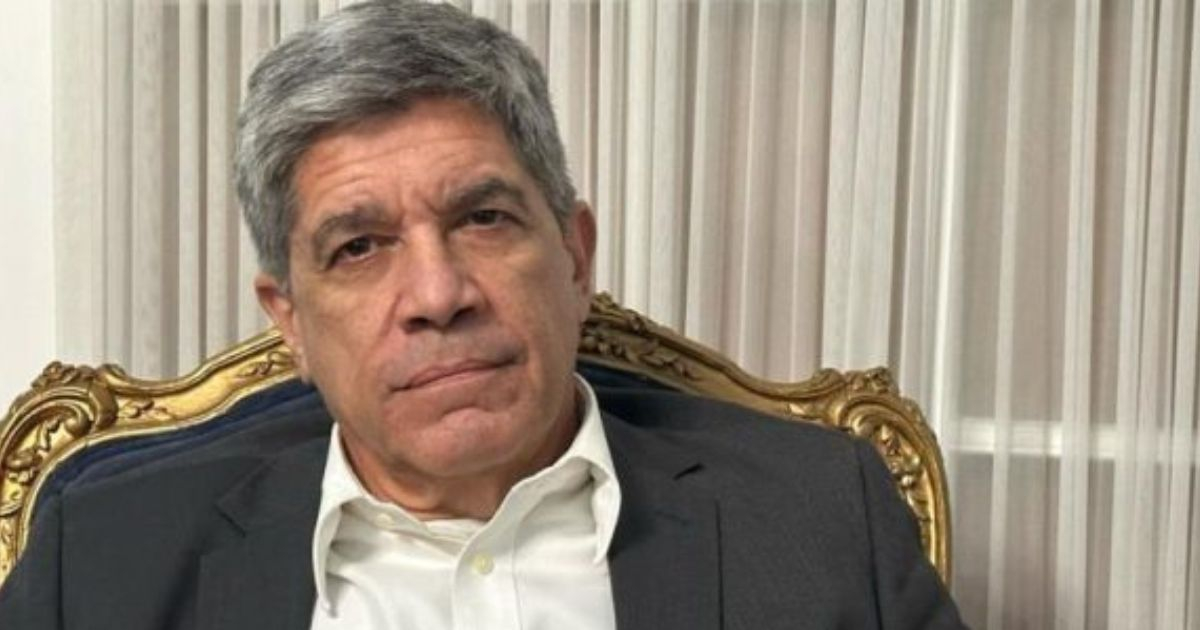
Cuban Deputy Foreign Minister Carlos R. Fernández de Cossío took to social media on Thursday, issuing a bold challenge to Washington. He urged the U.S. to prove that Cuba's difficulties rest solely with its government by lifting the energy sanctions imposed on the island nation.
Fernández de Cossío contended that the fuel blockade enforced by the United States since January 29, 2026—along with longstanding policies from 2019 designed to inflate oil prices and the economic embargo dating back to the 1960s—renders it nearly impossible for Cuba to import essential resources critical for any economy.
"It is well-known that the U.S. fuel blockade against Cuba since January 29, 2026, makes it virtually impossible to import such a necessary commodity," Fernández de Cossío stated.
He expanded his argument to a global scale, stating, "It is understood worldwide that no country, whether developed or developing, including the U.S., can effectively manage its economy if forced to go without fuel."
His declaration concluded with a direct challenge to American officials: "Despite these obvious truths, U.S. leaders and politicians boldly assert that the fundamental issues of Cuba's economy are the government's fault, claiming the nation will fail on its own. They don't dare prove their assertions by testing the alternative, which is to end the aggression and cease such abuse against an entire populace."
This statement comes in the wake of an executive order signed by Trump on January 29, which declared a national emergency and imposed tariffs on any nation selling oil to Cuba. This cut off Venezuelan and Iranian supplies and pressured Mexico into halting deliveries of up to 20,000 barrels a day through Pemex.
Fernández de Cossío has emerged as a prominent voice of the regime in response to these measures. In February, he labeled the energy sanctions as "mass punishment" and a "crime," later describing U.S. pressure as a "decades-long economic, commercial, and financial war."
In March, the diplomat had already challenged the U.S. to allow the Cuban government to demonstrate its management capabilities without the burden of sanctions—a line of argument he now reiterates with increased vigor.
Meanwhile, the response from Washington has been quite contrary. Secretary of State Marco Rubio commented last Monday that economic reforms in Cuba are "impossible with these people in charge," asserting that change will only come with a change in government.
Congressman Mario Díaz-Balart has reminded that the law stipulates three conditions for lifting the embargo: free elections, the release of political prisoners, and the dismantling of repressive apparatuses, none of which the regime has met.
The underlying energy crisis has left Cuba suffering from power outages exceeding 20 hours daily, a power generation deficit of 1,900 MW, and an accumulated GDP drop of 23% since 2019, according to figures cited by the Cuban government itself.
Rubio has also been exploring discreet negotiation channels with Raúl Guillermo Rodríguez Castro, Raúl Castro's grandson, seeking possible transition scenarios. This indicates Washington is considering alternatives beyond economic pressure, even as the regime continues to blame the embargo for all its woes.
Exploring the Impact of U.S. Sanctions on Cuba
What are the main arguments of Carlos R. Fernández de Cossío regarding the U.S. sanctions?
Fernández de Cossío argues that U.S. sanctions, including a fuel blockade and longstanding policies, make it nearly impossible for Cuba to import essential resources necessary for its economy.
How has the U.S. government responded to the Cuban government's claims about the sanctions?
The U.S. government, represented by figures like Marco Rubio, maintains that reforms in Cuba are impossible under the current regime and insists that change will only occur with a change of government.
What conditions does the U.S. law require to lift the embargo on Cuba?
The U.S. law requires free elections, the release of political prisoners, and the dismantling of repressive apparatuses in Cuba as conditions for lifting the embargo.
What are the current energy challenges faced by Cuba?
Cuba is currently dealing with power outages exceeding 20 hours daily, a power generation deficit of 1,900 MW, and a significant GDP drop since 2019.