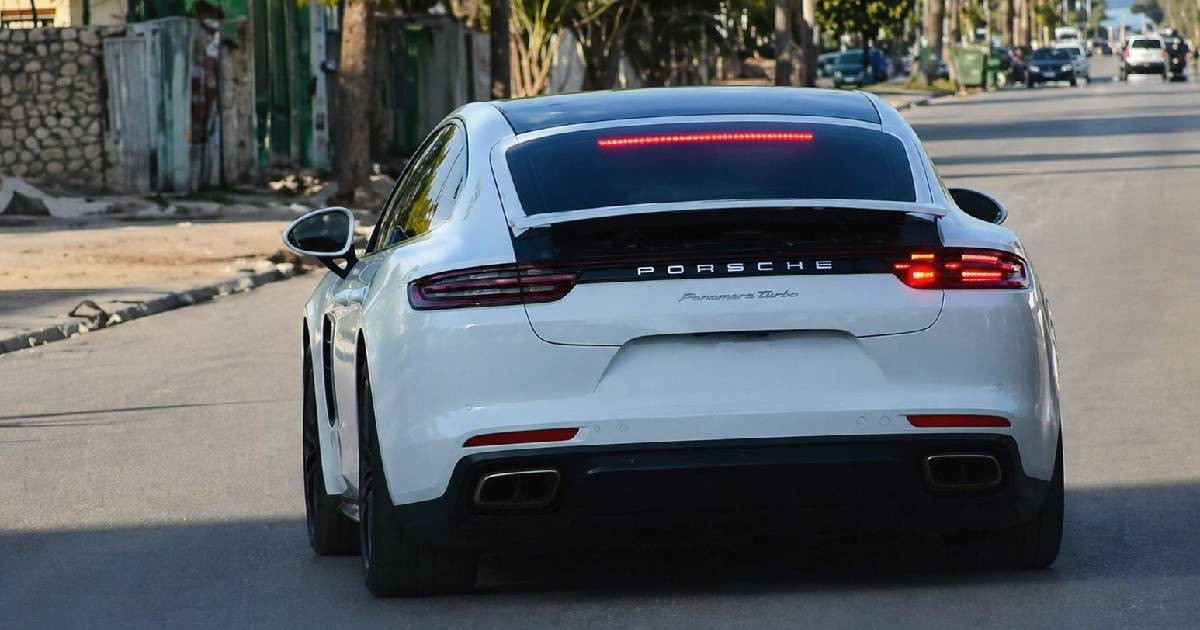
A white Porsche Panamera was recently caught on video cruising through the streets of Cuba without license plates, a stark contrast to the island's ongoing crisis.
The Instagram account "Carros particulares en Cuba" shared a video on Wednesday, showcasing the luxury sedan with tropical palm trees in the background on a Havana avenue.
This sighting comes just five days after another Panamera, this time black, was photographed traveling along Vía Blanca and Diez de Octubre in Havana.
The earlier image, shared in the Facebook group "Autos Diplomáticos en Cuba," garnered over 600 reactions.
Why Do These Cars Lack Plates?
The absence of plates can be attributed to bureaucratic procedures: imported vehicles leave the port of Regla without registration plates as the official registration process occurs after their arrival.
Back in March, modern cars without plates were seen leaving the port in Havana, highlighting this common practice for recent vehicle imports.
Exorbitant Costs Amid Economic Hardship
The Porsche Panamera starts at about $92,000 in the United States, with the Turbo S E-Hybrid variant exceeding $226,500. This model was named Best Luxury and Performance Car 2025 by the World Car of the Year.
This sharp contrast is particularly glaring in a nation where the average monthly salary is under $20, power outages last up to 20 hours daily, and fuel shortages are chronic.
Luxury Cars Increase Tensions
The phenomenon isn't new. In November 2025, Cubans were outraged by the sight of a 2026 BMW M5—worth over $120,000—on the island's roads.
Social media users expressed their indignation, with one stating, "That's a crime," while another remarked, "That car in Cuba is madness, not because it’s bad, but because of Cuba's gasoline."
The influx of high-end cars has surged since 2023, following the U.S. Treasury Department's decision to grant licenses to Miami entrepreneurs to send vehicles to self-employed workers in Cuba.
These imports were valued at nearly $10 million that year. Since then, luxury brands like Mercedes-Benz have become trendy in Cuba, with small private businesses acting as the main import channel.
Legal Framework Changes
New regulations were introduced with Decree 119/24, effective January 1, 2025, allowing the sale of cars in dollars to individuals. From September 2024, the Cuban government permitted vehicle sales in commercial entities like IMPEXPORT and CIMEX S.A., imposing a 35% Special Tax on high-end cars.
Each new sighting of luxury cars divides Cuban society between awe and outrage, turning these vehicles into symbols of inequality that the regime neither wants nor can explain.
Understanding the Impact of Luxury Cars in Cuba
Why do imported cars in Cuba lack license plates?
Imported vehicles in Cuba leave the port of Regla without plates because the official registration process is completed after their arrival.
How do luxury cars affect Cuban society?
Luxury cars create a stark visual of inequality, sparking social divide and highlighting the economic disparity in Cuba.
What legal changes have facilitated the influx of luxury cars in Cuba?
Decree 119/24, effective from January 2025, allows the sale of cars in dollars to individuals, broadening the legal framework for vehicle sales.