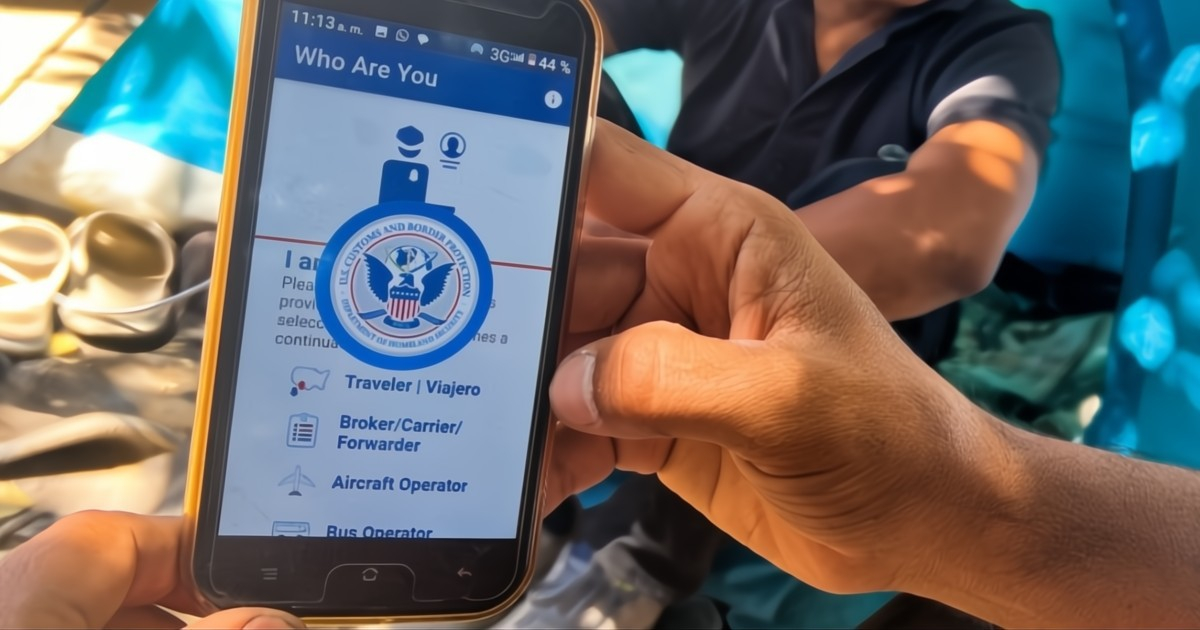
Cuban migrants who entered the United States using the CBP One app during the Biden administration are now receiving notifications from the Department of Homeland Security (DHS) about the termination of their parole status. This represents the third wave of revocations initiated under the Trump administration.
Journalist Daniel Benítez shared images on Facebook of the revocation notices sent to some of the affected Cubans.
"It’s important to remember that a judge ordered President Donald Trump's administration to reinstate the paroles that had been previously cancelled," Benítez noted.
The documents, dated April 24 and issued on DHS letterhead from Washington, cite a memorandum by Customs and Border Protection Commissioner Rodney Scott, signed on April 21, as the legal basis for these new cancellations.
Mounting Frustration Among Affected Migrants
The impacted individuals express significant frustration and distress over the situation.
"Yesterday I went to bed legal, and today I woke up illegal," lamented a Cuban living in Miami. "My God, one day legal and the next undocumented," echoed another in Houston. A third individual in California questioned, "How many times are they going to revoke it? They do as they please with the laws."
Some migrants have also reported inconsistencies. A Tampa resident mentioned that the notification was sent to an email address she rarely uses. "The recipient seems unusual, and it allows a reply, which official emails typically don’t."
Legal Justifications and Immediate Implications
The official notification declares that "the DHS has determined that the purpose for which your parole was authorized has been fulfilled, and neither urgent humanitarian reasons nor significant public benefit justify the continuation of your parole on a case-by-case basis."
The document further warns that any benefits associated with the parole, including work authorization, are now void unless the recipient qualifies for such benefits through a separate legal route.
Additionally, the DHS advises those affected to leave the country: "If you must depart the United States, DHS strongly recommends doing so immediately on your own. You can use the CBP Home mobile app on your phone to notify DHS of your intention to exit."
Background and Legal Developments
This latest wave of cancellations comes amidst a heated legal battle. On March 31, a federal judge ordered Trump to restore the legal status of migrants with CBP One parole, ruling that the mass cancellations of 2025 were unlawful due to the lack of required individual assessments.
Judge Allison Burroughs of the Massachusetts District Court in Boston found that DHS had not demonstrated, on an individual basis, that the purposes of the parole had been achieved.
The Department of Justice has now informed the Boston court that these new notifications are based on Scott's memo, which immigration attorneys argue is a deliberate attempt to circumvent the judicial ruling.
This is not the first encounter Cuban CBP One parole holders have had with such situations.
In March 2025, the Trump administration revoked work permits for parole beneficiaries, exacerbating their economic vulnerability. In May of that year, the Supreme Court allowed Trump to continue with the revocations while the legal case proceeded.
The CBP One program facilitated the entry of over 900,000 migrants into the U.S. between May 2023 and January 2025 under two-year humanitarian paroles, with approximately 110,240 of them being Cuban.
Immigration lawyers advise affected Cubans not to leave the country without first consulting a specialist and exploring options under the Cuban Adjustment Act if they have been in the U.S. for over a year.
A pivotal hearing is scheduled for May 6 before Judge Burroughs, which could potentially halt this third wave of cancellations once again.
Key Questions on Parole Revocations
What is the CBP One app and its role in this situation?
The CBP One app was used to facilitate the entry of migrants into the U.S. under humanitarian paroles. It allowed over 900,000 migrants, including 110,240 Cubans, to enter the country between May 2023 and January 2025.
What are the legal implications of the parole revocations?
The revocation of parole status means that affected individuals lose benefits associated with their parole, including work authorization, unless they qualify through other legal means. The DHS urges those affected to leave the U.S. voluntarily.
What steps should affected Cubans take following the revocations?
Cubans affected by the revocations are advised to consult with an immigration lawyer before making any decisions about leaving the U.S. They should also consider the Cuban Adjustment Act if they have been in the country for over a year.