Ukraine has taken a definitive stance on the contentious issue of foreign fighters in the ongoing conflict, declaring that they are not to be labeled as mercenaries.
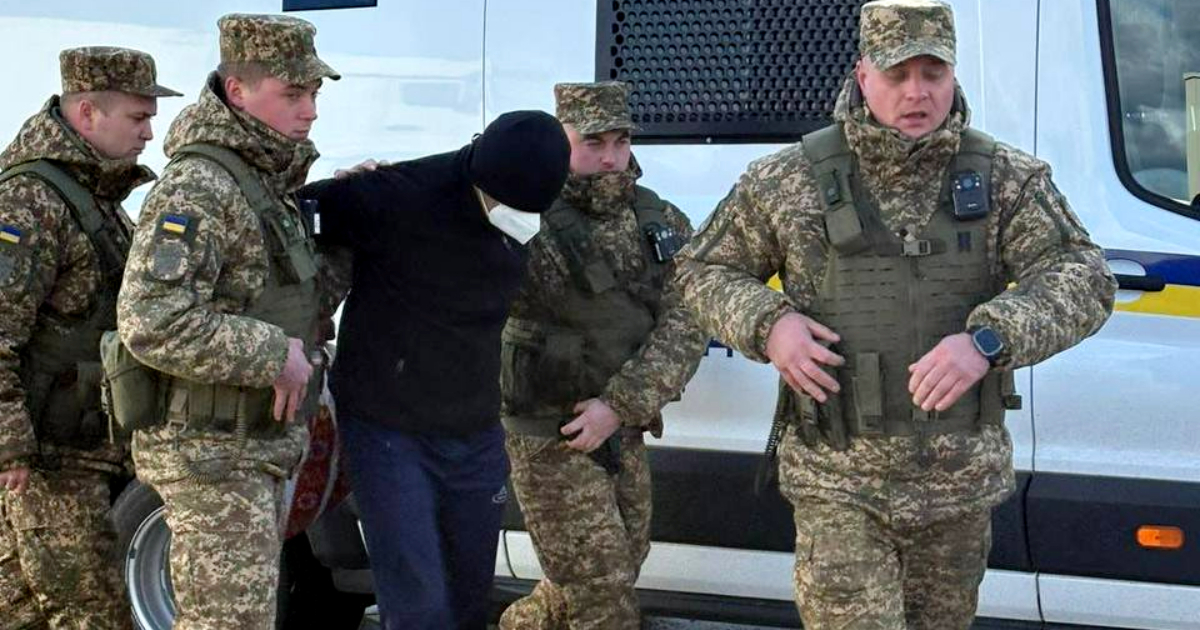
According to a statement released by the Ukrainian project "I Want to Live" (Хочу Жить), all foreigners captured while serving in the Russian military are treated as prisoners of war, adhering to the Geneva Conventions.
"Unlike Russia, Ukraine complies with the Geneva Conventions," the statement emphasized. "Despite their foreign origins, since they were part of the regular Russian army, they are held in Ukraine as prisoners of war and are not prosecuted as mercenaries."
This perspective is particularly significant regarding the involvement of Cuban nationals, whose participation in the conflict has been extensively noted and often labeled as mercenary activity.
Ukraine's Perspective on Foreign Fighters
The Ukrainian stance introduces an important distinction: regardless of their origins or recruitment conditions, these fighters are deemed part of the Russian regular forces once they sign military contracts with Russian state institutions.
The statement also accuses Russia of using the issue for propaganda purposes, either exaggerating or fabricating the presence of alleged foreign mercenaries in Ukraine. Additionally, it highlights that Moscow has established a systematic international recruitment strategy, focusing particularly on impoverished regions of the so-called Global South.
Impact of Russia's Recruitment Tactics
According to cited data, the number of foreigners recruited by Russia has steadily increased, from dozens in 2022 to nearly 14,000 by 2025, with a goal of reaching 18,500 by 2026. These recruits include citizens from numerous countries, including Cubans, drawn by promises of high wages or citizenship.
On the ground, this policy has already had visible effects. Since late 2023, Ukraine has regularly captured foreign combatants, with citizens from various countries consistently among the prisoners.
The Plight of Captured Foreign Fighters
Another concern raised by Ukraine is Russia's apparent disinterest in these fighters once they are captured. The statement claims that Moscow shows reluctance to negotiate exchanges even for its own citizens and is even less inclined to do so for foreigners, leaving them in a sort of limbo without political support or representation.
Ukraine's recognition of these fighters as prisoners of war also opens up a potential avenue that has so far been absent in the case of Cubans: the possibility of being included in prisoner exchanges.
Theoretically, Russia could negotiate their repatriation, as it does with its own soldiers. However, this scenario largely hinges on the Cuban regime acknowledging the presence of its citizens in the conflict and deciding to advocate for them, something it has so far avoided.
Cuba's Inaction and Its Implications
Havana's refusal to provide transparency or take an active role leaves these Cubans in a particularly vulnerable position, lacking clear diplomatic backing and with limited options for returning home.
For Cuba, where the regime has insisted on describing these cases as human trafficking without offering transparency about those involved, the Ukrainian declaration intensifies the debate.
More than just a semantic issue, the distinction between "mercenary" and "prisoner of war" has significant legal and humanitarian implications for dozens of Cubans caught in a conflict that is not their own.
Understanding Ukraine's Stance on Foreign Fighters
Why does Ukraine not consider foreign fighters as mercenaries?
Ukraine treats foreign fighters captured in the conflict as prisoners of war, adhering to the Geneva Conventions, because they serve under the regular Russian army.
What impact does Russia's recruitment have on foreign fighters?
Russia's recruitment strategy has increased the number of foreign fighters, promising high wages or citizenship, but it shows reluctance to negotiate for them once captured.
How does Cuba's stance affect its nationals involved in the conflict?
Cuba's refusal to acknowledge or support its citizens involved in the conflict leaves them vulnerable, lacking diplomatic backing and with limited options for repatriation.