Over 120 civil and human rights organizations, including Amnesty International, have issued a formal travel warning for the FIFA World Cup 2026 in the United States. This alert cautions fans, players, and journalists about an increase in authoritarianism and violence under President Donald Trump's immigration policies, as reported by AP.
The warning, which is also backed by the American Civil Liberties Union (ACLU) and numerous other groups, highlights potential risks for visitors. These include arbitrary denial of entry at the border, detention under "inhumane" conditions, and intrusive checks of personal electronic devices and social media accounts.
The organizations justified the alert by pointing to the deteriorating human rights situation in the United States, coupled with the lack of effective actions and concrete assurances from FIFA, host cities, or the U.S. government.
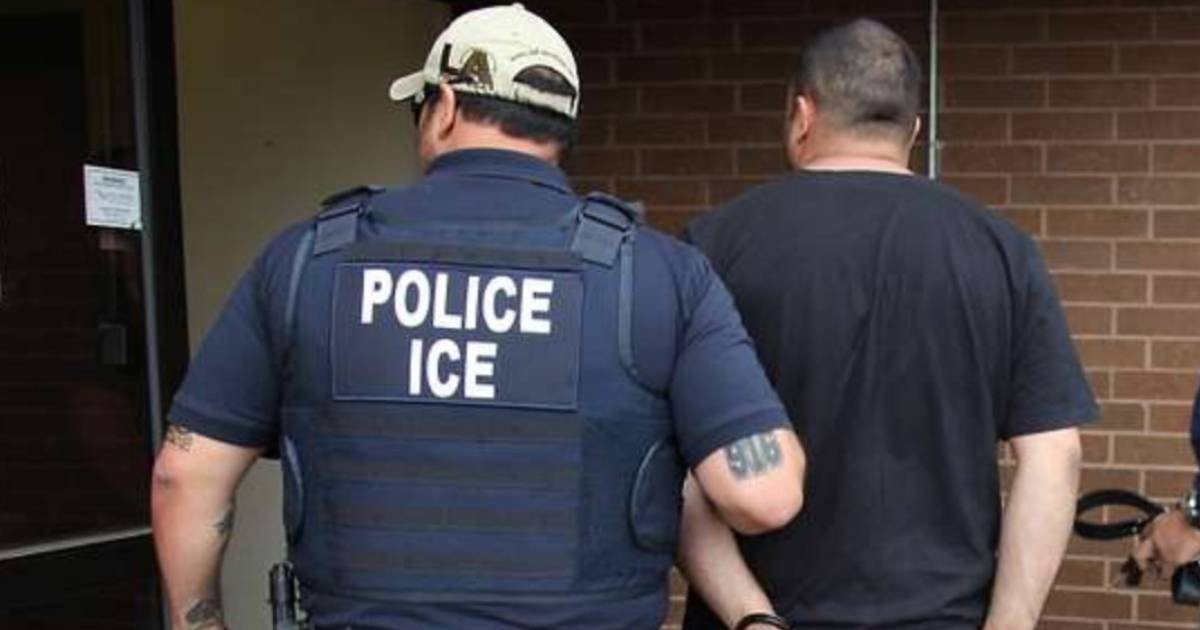
Specific threats have been identified in host cities such as Los Angeles, Chicago, and Minneapolis, where operations by the Immigration and Customs Enforcement (ICE) have led to allegations of racial profiling and violent suppression of protests.
Concerns Over Security and Human Rights
One notable incident cited in the document is the shooting and killing of 37-year-old Renée Nicole Good by an ICE agent in Minneapolis on January 7, 2026. She was acting as a legal observer near a bilingual school during immigration operations.
Following this incident, ICE announced its "key role" in tournament security, further fueling fears among civil organizations, which had previously urged FIFA to exclude ICE from stadiums during the event.
Visa Restrictions and Their Impact
Since January 2026, the Trump administration has imposed total visa bans on nationals from 19 countries, including Iran, Haiti, Somalia, Syria, and Yemen, with partial restrictions on another 20 nations, including Cuba and Venezuela. These measures directly affect fans from countries qualified for the tournament.
In response, the U.S. has implemented special visa rules for the World Cup through the "FIFA Pass," offering priority consular interviews for official ticket holders, albeit without easing security checks.
The tourism sector is already feeling the effects: international travel to the U.S. dropped by 5.4% in 2025, with declines of 22% to 28% from Canada. Surveys by the World Travel & Tourism Council (WTTC) show that 34% of respondents avoid visiting the U.S. due to Trump's immigration policies, with projected tourism spending losses of $15.7 billion.
Reactions from the Tourism Industry
Geoff Freeman, president of the U.S. Travel Association, criticized the warning, stating that the idea of visiting the U.S. posing a significant security risk is a "political tactic" aimed at causing economic harm. He noted that 67 million international tourists visited the country last year.
FIFA, meanwhile, reiterated its commitment to human rights through its guiding documents but has not offered additional concrete assurances, drawing criticism amid U.S. immigration policies.
Moreover, the asylum approval rate under the Trump administration has plummeted to 7%, compared to 50% under previous administrations, illustrating the harsher immigration system awaiting visitors.
The FIFA 2026 tournament kicks off on June 11, with matches in 11 U.S. stadiums, alongside venues in Canada and Mexico. The event is expected to attract up to 10 million visitors to North America, marking it as potentially the largest sporting event in history.
Key Concerns About the 2026 World Cup in the U.S.
Why are human rights organizations issuing a travel warning for the FIFA World Cup 2026 in the U.S.?
Over 120 organizations, including Amnesty International, have raised concerns about increased authoritarianism, violence, and human rights violations under U.S. immigration policies, particularly those of President Donald Trump.
What specific risks are highlighted for visitors to the U.S. during the World Cup?
The warning mentions arbitrary denial of entry, detention in inhumane conditions, and invasive checks of electronic devices and social media accounts.
How are visa restrictions impacting World Cup attendees?
The Trump administration's visa bans and restrictions affect nationals from numerous countries, potentially hindering fans from attending the tournament, despite the implementation of a "FIFA Pass" for prioritized consular interviews.