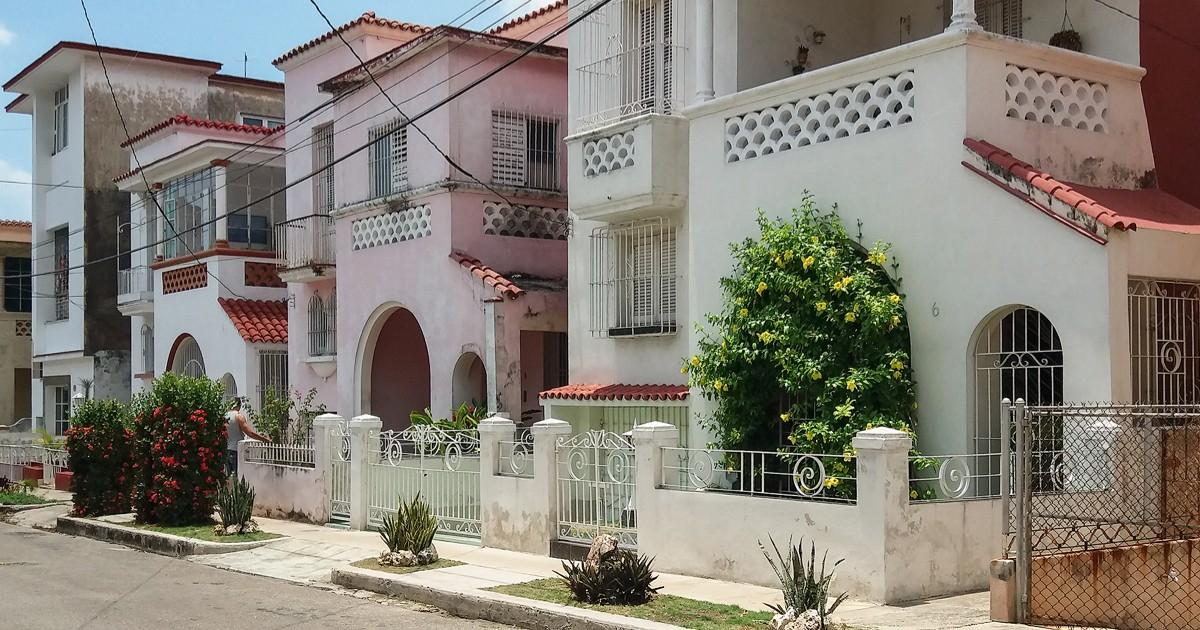
Havana's real estate market is showing signs of revival this April, driven not by supply and demand, but by the anticipation of a political shift in Cuba following six decades of communist rule, as reported by AFP.
Real estate brokers have observed increased activity, particularly in Havana's most desirable neighborhoods: Miramar, Nuevo Vedado, and Vedado. These areas are renowned for their neoclassical mansions, embassies, and Art Deco treasures.
The market is being propelled by expectations of political change, according to the real estate agents interviewed by the international agency.
This trend coincides with discussions surrounding a draft housing law that could be enacted by July 2026, sparking heightened interest from potential buyers and investors.
The debate over properties confiscated after the 1959 Revolution has also resurfaced with vigor in this context, reopening old wounds among those who lost their assets and their descendants, many of whom live in exile.
The energy crisis exacerbates the situation: the reduction in Venezuelan oil supply has deprived Cuba of 30% of its crude, further deepening the island's economic and social decline.
All these events unfold amidst mounting pressure on the Cuban regime, which faces the simultaneous collapse of basic services, mass emigration, and growing public discontent.
The paradox of Havana's real estate market is striking in a country where the average salary does not exceed $16 per month, highlighting that capital movements in this sector are fueled by external actors or the Cuban diaspora, rather than the purchasing power of citizens on the island.
Understanding the Real Estate Market Dynamics in Cuba
Why are housing prices increasing in Havana?
Housing prices in Havana are rising due to expectations of political change in Cuba, which has led to increased activity in the real estate market, especially in premium neighborhoods.
What is the significance of the draft housing law?
The draft housing law, potentially set for approval by July 2026, has generated interest among buyers and investors as it could bring significant changes to property rights and regulations in Cuba.
How does the energy crisis affect Cuba's economy?
The energy crisis, worsened by reduced Venezuelan oil supply, has deprived Cuba of 30% of its crude, further deteriorating the economic and social conditions on the island.