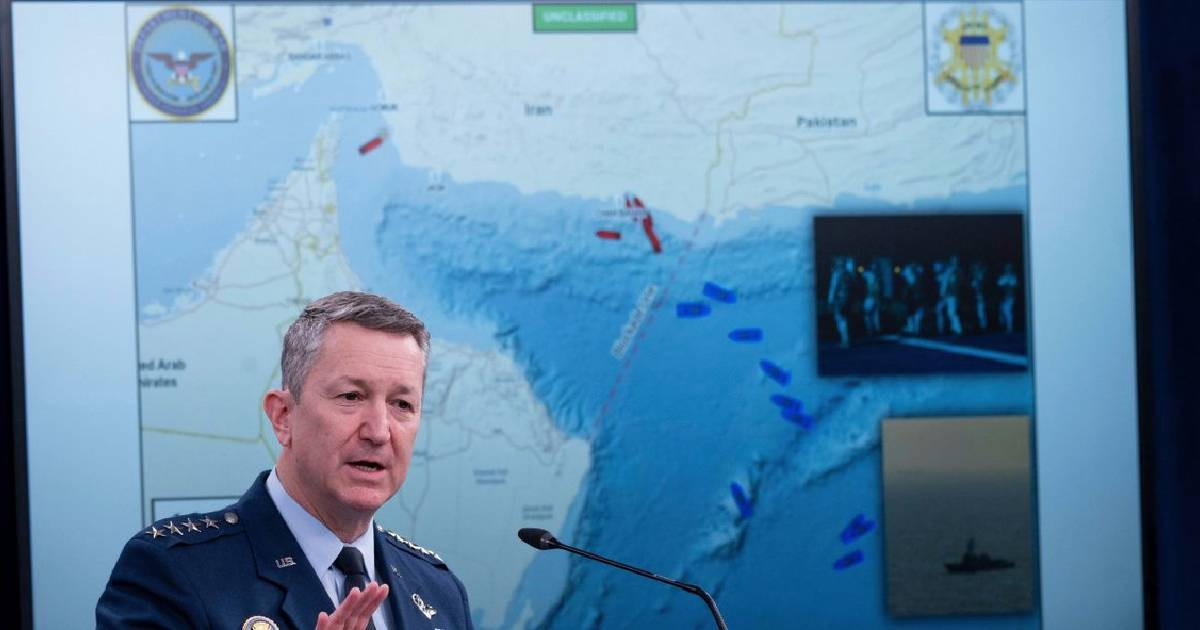
The United States military is reportedly gearing up to intercept and seize vessels connected to Iran in international waters in the near future, according to officials referenced by The Wall Street Journal. This move marks a new phase in Washington's strategy to ramp up pressure on Tehran.
The initiative is part of a broader campaign, dubbed Economic Fury, aimed at weakening the Iranian economy and compelling concessions regarding their nuclear ambitions.
By expanding the reach of U.S. military operations beyond the Middle East, the plan targets Iranian-affiliated oil tankers and other commercial ships, including those from the so-called "dark fleet," known for covertly transporting crude oil.
Tensions have flared following attacks attributed to Iranian forces on commercial vessels in the Strait of Hormuz, a critical artery for global energy trade.
In response, Washington has bolstered its naval presence, forcing several ships to return to Iranian ports while warning that non-compliant vessels may face boarding or seizure.
According to the report, the Iranian military has escalated its control over the Strait of Hormuz, attacking several merchant ships and declaring the route "strictly controlled," causing alarm within the international shipping industry.
These developments come despite previous statements from Iran's foreign minister claiming the strait remains open for commercial traffic, a sentiment welcomed by former President Donald Trump.
Although both sides continue diplomatic communications to avoid a large-scale confrontation, the situation remains unstable. Negotiations have stalled, and the potential for further military escalation in the region looms.
Key Questions on U.S. and Iran Maritime Tensions
What is the Economic Fury campaign?
Economic Fury is a strategic initiative by the U.S. to weaken Iran's economy and pressure Tehran into making concessions on its nuclear program.
Why is the Strait of Hormuz significant?
The Strait of Hormuz is a crucial channel for global energy trade, with a significant portion of the world's petroleum passing through this narrow waterway.
How has Washington responded to Iranian threats?
The U.S. has increased its naval deployment in the region and warned that ships failing to comply with directives may be boarded or seized.